
Tips for Hiring a Campervan For Your Trip
10 July 2026 |
 Graeme Stoker
There’s nothing quite like the freedom of the open road, and hiring a campervan is one of the best ways to experience it. They’re great for a trip to the Scottish Highlands or for driving to a festival. Hiring a motorhome gives you the flexibility to travel at your own pace.
If you’ve never done it before, getting started can feel a bit daunting. We’ve compiled the ultimate tips for hiring a campervan or borrowing one from family. Our flexible temporary motorhome insurance can get you covered in minutes.
Why a Campervan Holiday is Worth the Trip
Renting a campervan or motorhome is about more than just transport – it’s about carrying your home comforts with you. Instead of worrying about hotel check-in times or packing and unpacking at every stop, your holiday starts the moment you turn the key.
Our recent survey found that 68% are planning a road trip this year, and a campervan is the perfect vehicle for a UK adventure. From the wild coastal routes of Wales to the peaceful country lanes of the Cotswolds, the UK is packed with incredible destinations.
According to registration data from the European Caravan Federation, motorhome registrations in Britain actually rose by 1.3% to roughly 16,700 units during a single 12-month period, even in a challenging global economy. But you don’t need to purchase your own to enjoy the lifestyle. For many holidaymakers, hiring offers a much more practical and cost-effective way to access the open road without the year-round maintenance costs.
A campervan is also the perfect companion for events and festivals, keeping you warm and dry when the British weather inevitably turns. Check out our campervan festival tips to see how to make the most of your pitch. No matter where you’re heading, our detailed road trip guide is packed with advice to help you prepare.

Pros and Cons of a Campervan Trip
Before committing to your trip, it’s worth weighing up what life on the road is really like. While the freedom is unmatched, there are a few practicalities to keep in mind.
The Pros
- Ultimate flexibility: Don’t like the weather? Simply drive to the next valley.
- Home comforts: You’ll have your own bed, kitchen, and often a hot shower wherever you park.
- Cost efficiency: Combining your transport, accommodation, and food prep can lead to significant road trip savings compared to standard hotel holidays.
The Cons
- Driving dynamics: Campervans and motorhomes are significantly larger than standard cars, which can make navigating narrow country lanes a bit of a challenge.
- Slower pace: You won’t be zooming down the motorway, and fuel consumption is higher than in a hatchback.
- Campsite planning: Wild camping isn’t always legal, meaning you’ll need to research and book pitches in advance during peak seasons.
How Does the Process of Hiring or Borrowing a Motorhome Work?
If you’re new to the world of motorhomes, getting your hands on one is actually very straightforward. There are three main ways to go about it, depending on your budget, what kind of trip you’re planning, and whether you know someone willing to hand over their keys.
Hiring from a Traditional Rental Company
Large commercial rental companies maintain fleets of modern, identical, and professionally serviced vehicles.
When you book through a major rental company, the process usually involves selecting your vehicle category online, choosing your travel dates, and uploading your driving documents. On pick-up day, you’ll get a full walkaround demonstration so you know how to operate the gas, water, and electrical systems. They’ll also hold a refundable security deposit on your card to cover any minor bumps. This is a highly reliable option, though it can be the most expensive, especially during peak staycation season.
Using Peer-to-Peer Platforms
If you want a vehicle with a bit more character, peer-to-peer sharing platforms are a brilliant alternative. These websites connect you directly with individual owners who list their campervans when they aren’t using them.
It’s an excellent way to rent a campervan that has a bit more personality and custom craftsmanship. Because you’re dealing with individual owners, prices can sometimes be more flexible than big hire firms. Plus, if you eventually fall in love with the lifestyle and buy your own, you might even consider renting out your own motorhome on these same platforms to make some extra cash.
Borrowing a Campervan from Friends or Family
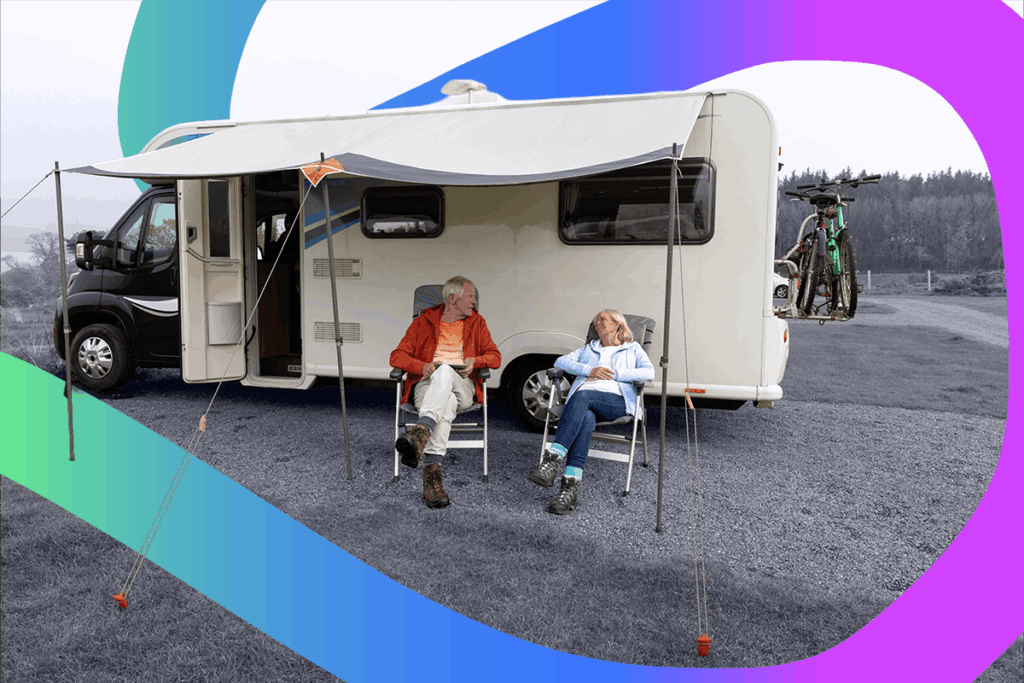
If you’re lucky enough to have a relative or close mate who owns one, asking to borrow a campervan or motorhome is by far the most cost-effective way to hit the road.
However, borrowing a vehicle requires a lot of trust and clear communication. You’ll need to agree on who pays for maintenance wear-and-tear, and ensure you have the correct insurance in place before setting off. Driving without proper cover is a serious issue that can lead to heavy penalties. Explore our guide on the causes of driving fines to avoid getting caught out on your travels. Fortunately, you don’t need to commit to a long-term policy just to borrow a camper for a weekend trip.
How to Rent a Campervan Safely
Whichever route you choose, there are a few safety steps you should always follow:
- Check the paperwork: Read rental contracts or informal agreements carefully to understand mileage limits, breakdown cover details, and fuel policies.
- Inspect the vehicle: Take photos of any pre-existing scratches, chips, or interior wear before you set off, so you aren’t held responsible later.
- Practice driving: If you’ve never driven a larger vehicle, take a few minutes to get used to the wider mirrors and longer braking distances in a quiet area first.
How to Enjoy Your First Campervan Adventure
Living in a smaller space on wheels is incredible fun, but it does require a slightly different mindset than a hotel stay. If you want to make sure your first trip goes smoothly, keep these beginner tips in mind:
- Hire closer to your destination: If the thought of navigating a large, unfamiliar vehicle down hundreds of miles of busy motorway fills you with dread, you don’t have to drive it the whole way. Consider taking a train or driving your regular car to your destination area – like Cornwall or Scotland – and arranging your campervan rental locally. This keeps your time behind the wheel of a larger vehicle to a minimum.
- Book a buffer day: If your budget allows, renting the campervan for an extra day before your actual departure date is a total game-changer. It gives you plenty of time to unpack your bags, wash the cutlery, air out the interior, and load up the fridge without the stress of a looming departure time. You can also take it for a quiet local spin to build your confidence before embarking on the main journey.
- Pack soft, not hard: Storage space in any campervan is carefully designed but can be tight. Ditch the rigid, hard-shelled suitcases and use soft duffle bags instead. Once unpacked, empty soft bags can be folded completely flat and tucked away out of sight in storage lockers.
- Book a shake-down night: For your first evening on the road, try booking a campsite relatively close to home or your hire depot. It gives you a low-stakes chance to test out the heating, gas, and water systems without being hours away in the middle of nowhere if you have questions.
- Run a pre-flight cabin check: Before you turn the ignition key, ensure everything is secured. Lock all cupboard doors, stow away loose mugs, and secure the fridge door. A stray pan flying across the cabin at the first roundabout is a noise you won’t want to hear twice.
- Embrace campsite etiquette: Be a great neighbour. Always respect the campsite’s quiet hours, use designated disposal points for your grey water and chemical waste, and leave your pitch exactly as you found it.
- Keep a loose itinerary: Part of the joy of a campervan is spontaneity. Don’t overschedule your days with back-to-back bookings. If you’re looking for inspiration to build a relaxed route, explore our UK travel bucket list for some ultimate road trip goals.
Where Can You Legally Stop and Park Your Motorhome?
One of the biggest mistakes first-time drivers make is assuming they can park up and sleep anywhere they see fit. In the UK, parking regulations and overnight stay rules are strictly managed by local councils and landowners. Here’s how to keep your trip legal and stress-free:
The Golden Rule: Parking vs. Camping
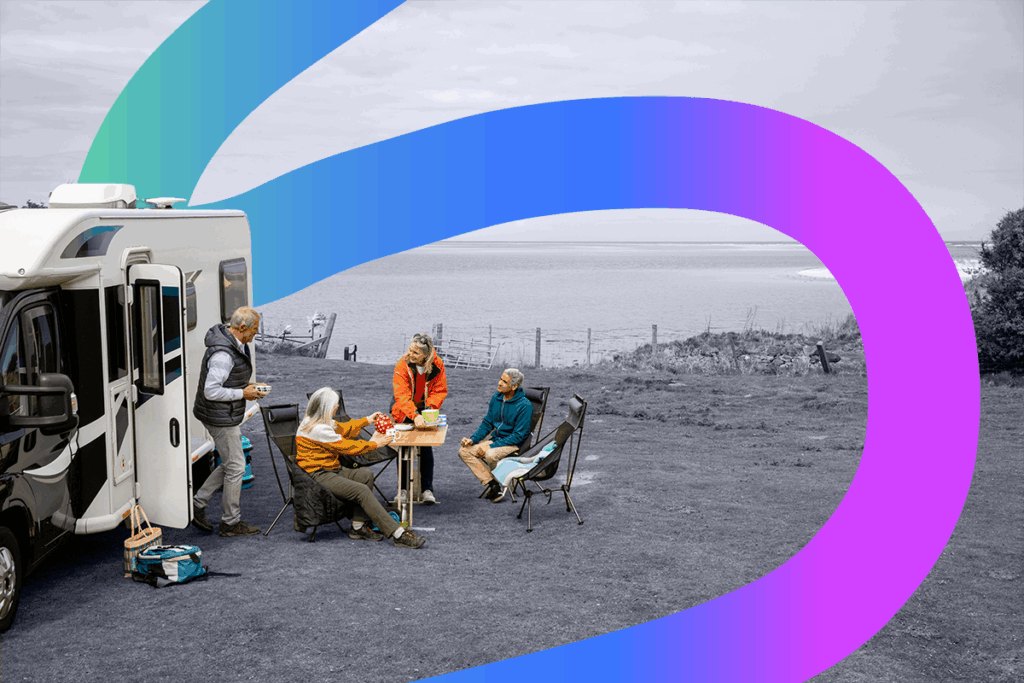
Legally, there’s a major difference between parking your vehicle and camping in it. Parking means your vehicle is sitting on a road or layby with everyone staying strictly inside, leaving no trace.
Camping is when you extend your awning, put out tables and camping chairs, or light an outdoor stove. The moment you start doing these things outside of a designated campsite, you’ve crossed from parking into unauthorised camping. This can lead to local residents complaining, warden visits, or being asked to move on. Keep everything inside the van when stopping in public spots.
The Reality of Wild Camping in a Motorhome
Wild camping in a motorhome is not legally protected in most of the UK. While Scotland is famous for its Right to Roam laws under the Land Reform (Scotland) Act 2003, this only applies to non-motorised access (like people wild camping in tents). Motorhomes and campervans have no automatic legal right to stay overnight on public or private land in Scotland, England, Wales, or Northern Ireland without permission.
Navigating Roads, Laybys, and Car Parks
If you’re wondering whether you can sleep in a layby or roadside, the answer isn’t always straightforward. Technically, there’s no national UK law that bans sleeping in a parked vehicle, provided you’re parked legally, aren’t causing an obstruction, and are completely sober. However, local councils use Traffic Regulation Orders (TROs) to place No Overnight Parking signs in popular tourist areas, coastal routes, and scenic spots. Always check for signs before settling down.
Most public, retail, and supermarket car parks also have strict time limits and height barriers, with overnight stays banned by local bylaws. To avoid waking up to a penalty, use helpful community-driven apps like Park4night or SearchforSites to find verified, motorhome-friendly locations. You can also look into schemes like Brit Stops, which allow you to stay overnight for free in the car parks of welcoming country pubs, vineyards, and farm shops.
Understanding the Logistics and Legal Stuff
Before you plan your route, it’s vital to check that you meet all the legal requirements for driving a larger vehicle. Let’s break down the rules and costs so you aren’t caught off guard.
What Are the Requirements to Rent a Campervan?
To hire a campervan or motorhome in the UK, you generally need to meet the following criteria:
- Age limits: Most rental companies require drivers to be at least 21 years old, and many set the minimum age at 25. We can insure drivers aged 28-70 with our campervan insurance.
- Driving history: You must have held a clean, full driving licence for at least one or two years.
- Licence categories: A standard UK Category B licence allows you to drive vehicles up to 3,500kg (3.5 tonnes). Fortunately, most modern campervans and medium-sized motorhomes fall safely under this limit. If you want to drive a larger, heavy motorhome over 3.5 tonnes, you’ll need a Category C1 entitlement on your licence.
- Valid insurance: This is a strict legal requirement under UK law. Driving any motor vehicle without at least third-party cover is illegal. While commercial hire companies usually wrap basic insurance into their rental price, you must arrange your own valid cover if you’re borrowing a vehicle from a friend or using certain peer-to-peer sharing setups.
What’s the Average Cost of Hiring a Motorhome?
The cost of renting a campervan in the UK varies based on the season, the size of the vehicle, and how far in advance you book.
- Low Season (October to April): Compact 2-berth campervans start from around £300 to £500 per week.
- High Season (July and August): Larger family-sized motorhomes can reach £1,000+ per week.
What to Ask When Hiring a Motorhome
To ensure your trip goes off without a hitch, it helps to be prepared. Before you drive away, make sure you ask your rental provider these key questions:
- What’s the mileage policy? Is it unlimited, or is there a charge per mile after a certain limit?
- What gas bottles are supplied? Are they full, and do you need to replace them before returning the vehicle?
- Is there roadside breakdown cover? Make sure you have a direct emergency contact number just in case.
- Can you take the vehicle abroad? If you’re planning a trip further afield, make sure the provider and insurance allow travel to Europe. Our campervan policies can be used for driving in Europe, as long as the journey starts and ends in the UK.
- What’s the security deposit amount? Find out how much will be held on your card and how long it takes to be refunded.
Your Ultimate Motorhome Checklist
Make sure you’ve got these motorhome essentials covered before you head out:
- Levelling ramps: Essential for ensuring your van is level when parked on uneven campsite ground.
- Mains hookup cable: Connects your vehicle to the campsite’s electricity supply.
- Freshwater hose: For filling up your internal water tanks.
- Kitchen essentials: Check if crockery, cutlery, and pans are included, or if you need to bring your own.
- Bedding and towels: Many hire companies charge extra for these, so bringing your own can save money, and can be a lot more pleasant.
- First aid kit and safety gear: Ensure there’s a warning triangle, high-vis jackets, and a fire extinguisher on board.
Getting Insured for Your Campervan Trip
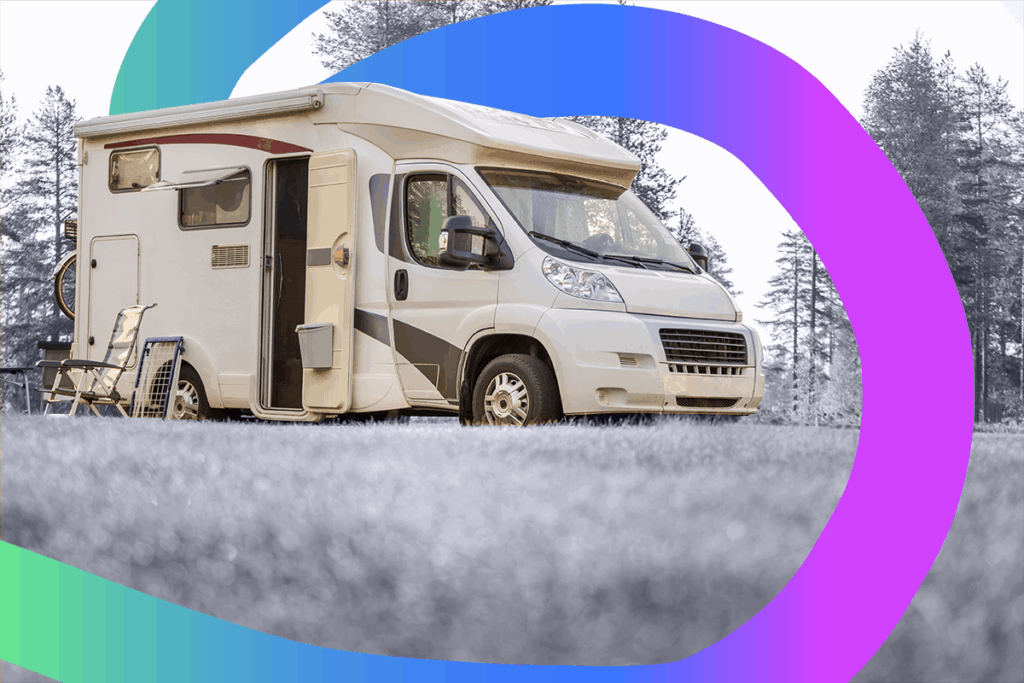
Whether you’re hiring a motorhome, renting a campervan, or choosing to borrow a campervan from a generous friend, getting the right insurance is non-negotiable.
If you decide to borrow a motorhome from a family member or go through peer-to-peer lending, rather than hiring commercially, you can’t just jump in and drive. Standard annual car insurance policies don’t cover driving a campervan, and trying to add a temporary driver to an existing annual policy can be slow, expensive, and risk the owner’s hard-earned no-claims bonus.
That’s where temporary motorhome insurance comes in. It’s a quick, flexible solution that gives you comprehensive cover from just one day up to 28 days. It’s completely separate from the owner’s annual policy, meaning if you do have a minor mishap, their no-claims history remains fully protected.
Borrowing a Campervan is Easy With Temporary Cover
Hiring or borrowing a campervan is an incredible way to explore the UK’s stunning coastlines, rolling countryside, and vibrant festivals. By planning ahead, keeping your motorhome checklist handy, and making sure your insurance is fully sorted, you’ll be set for a stress-free adventure.
Ready to get your road trip started? Get a temporary insurance quote in under two minutes and enjoy complete peace of mind on the open road.
Similar articles you might like
-
Moving to University Guide: Stress-Free Ways to Relocate
Fresh off the back of A-Level results day, a record 262,820 UK 18-year-olds have secured their university places,…
-
Temporary Electric Car Insurance Guide
Electric cars are quickly becoming an everyday sight on the UK’s roads. Recent data from the Society of…
-
House Renovations & Tip Trips Without a Car
Planning a massive garden transformation or clearing out years of accumulated clutter from the spare room? We’ve all…