
Is Owning a Car in a City Worth It?
1 July 2026 |
 Phil Evans
Living in a bustling UK city comes with plenty of perks. You’ve got theatres, restaurants, and reliable public transport right on your doorstep. But if you’re keeping a set of wheels parked outside, you might have started wondering – is owning a car worth it anymore?
With the cost of living putting pressure on household budgets, the cost of owning a car has become a massive talking point. Between rising insurance premiums, fuel prices, Clean Air Zones, and the constant hunt for a parking spot, urban driving is more challenging than ever.
If you’re debating whether to keep your vehicle or ditch the keys completely, you aren’t alone. Let’s break down the real running costs of a car in the city, look at the hidden expenses you might not have considered, and explore how flexible options like temporary car insurance or temporary van insurance let you enjoy the freedom of driving without the constant financial headache.
How Much Does It Cost to Run a Vehicle?
When calculating your monthly outgoings, it’s easy to focus only on fuel and road tax. But the true running costs of a car are much broader. The average annual cost of car ownership in the UK has soared to over £11,500. This includes purchase costs, depreciation, fuel, servicing, and insurance.
Even if you’ve completely paid off your car, keeping it on the road isn’t cheap. Data from NimbleFins shows that basic annual running costs (excluding depreciation) average around £3,490. For a petrol or diesel car, you’re looking at:
- Car Insurance: Averaging around £559 a year. As location is a factor that affects insurance, city postcodes often attract much higher premiums due to the higher risk of accidents, vandalism, and theft. If you’re a city driver, you might find your premium is easily double the national average.
- Repairs and Servicing: Averaging £503 annually to keep your vehicle roadworthy and pass its MOT. City driving – with its constant stop-start traffic, speed bumps, and potholes – places extra strain on your brakes, clutch, and suspension, which often leads to more frequent trips to the garage.
- Fuel: Fuel costs have seen massive spikes this year. Thanks to global tensions and supply disruptions, average unleaded petrol peaked at nearly 159p per litre in May, while diesel peaked at a painful 192.14p per litre in April, according to PetrolPrices records. This means filling up a typical 55-litre family car can now set you back over £87 for petrol, and a jaw-dropping £101 for diesel.
- Road Tax: Rising to a standard flat rate of £200 from April 2026 for most petrol and diesel cars registered after 2017. According to GOV.UK’s Fuel Duty rates for 2026 to 2027, the government is also phasing out the 5p fuel duty cut starting from September 2026, meaning the pressure on your wallet is only set to increase.
- Parking and Permits: Simply leaving your car outside your house isn’t always free. Resident parking permits in major UK cities can cost anywhere from £50 to over £300 a year, depending on your vehicle’s emissions. If you don’t have a driveway, you’re paying just for the right to park on your own street, and that’s before you even consider the cost of pay-and-display bays, multi-storeys, or workplace parking levies.
If you live in a rural area, a car is often an absolute necessity for getting to work or buying groceries. In those areas, the cost per mile is offset by the essential utility of the vehicle. But in the city, where you might only use your car once a week, those fixed costs mean you’re paying a premium for a vehicle that spends most of its time sitting idle.

How Much Does City Car Driving Cost?
Driving in a major city brings a unique set of financial hurdles. Congestion charges, low-emission zones, and parking permits can quickly turn a quick trip into a costly mistake. If you’re driving in London, the daily £18 Congestion Charge and the Ultra Low Emission Zone (ULEZ) fees can add up quickly.
But it’s not just the planned charges that hurt your wallet. Motoring fines in urban areas have reached an unprecedented scale. Recent Freedom of Information (FOI) data we collected from UK councils* reveals that drivers are being penalised at an astonishing rate.
Some of the most eye-watering annual fines include:
- Westminster: Drivers were handed a staggering 563,190 Penalty Charge Notices (PCNs) in the latest recorded period – making it the parking fine capital of the UK.
- Islington: Recorded 455,492 fines, showing a heavy reliance on camera enforcement.
- Brent: Issued 354,528 PCNs.
- Cardiff: Rose significantly year-on-year, from 269,198 to 316,708 fines.
- Edinburgh: Issued 281,087 tickets, outperforming many much larger UK cities.
- Wandsworth: Handed out 188,164 PCNs.
A major reason for these high numbers is camera-enforced restrictions like low-traffic neighbourhood rules, bus lanes, and restricted turns. Motorists are often penalised without even realising they’ve made a mistake at the time.
Additionally, parking in residents’ or shared-use bays without a valid permit is one of the most common mistakes. This creates a virtual visitor’s tax for people driving in unfamiliar urban areas, leading to unexpected driving fines that plague city motorists. In severe cases, ignoring parking and insurance rules can even lead to your vehicle being impounded.
The Hidden Hardships of City Car Ownership
The Low-Usage Trap: Imagine keeping a reliable hatchback parked outside your flat, mostly using it for a weekly supermarket run and the occasional weekend trip. Over the year, you pay £250 for a resident parking permit, £650 for annual insurance, and £200 in road tax. After factoring in an annual service and MOT (£350), plus a flat battery replacement because the vehicle spends most of its time sitting idle in the damp cold, you’ve spent over £1,450 before buying a single drop of fuel. If you only cover 1,200 miles a year, that’s a painful £1.20 per mile just in fixed overheads. Instead of keeping a car up and running, you could save your wallet and just borrow a car with temporary cover on the odd occasions you actually need some wheels.
The Fine Minefield: One writer shared how they ended up paying £700 in motoring fines over just nine months for minor infractions, despite only using their Fiat 500 once a week. Navigating tight city streets means constantly risking camera-enforced LTN penalties, bus lane fines, and parking tickets for accidentally stopping in suspended bays. One minor oversight on a short trip can instantly set you back hundreds of pounds, turning your vehicle into a source of constant financial anxiety.
Is It Worth Having a Car if You Live in London?
If you live in the capital, the question becomes even more pressing: is it worth owning a car in London? The short answer for many is no. According to the most recent census data reported by the Centre for London, around 42% of London households don’t own a car. In inner London boroughs, that number rises significantly, as excellent public transport links and extensive cycling infrastructure make car ownership redundant for daily commutes.
Keeping a car in London often means paying hundreds of pounds a year for a local resident parking permit, only to leave the vehicle parked on the street. Remember, you can’t legally park a car on the road without insurance, even if it’s completely static. If you’re paying for annual insurance, tax, and permits for a car you rarely use, you’re essentially throwing money away. Some drivers try to cut costs by driving without insurance, but this is illegal, and you can face severe punishments if you’re caught.

How to Get by Without Owning a Car
If you decide that owning a car in London or any other major city isn’t worth the hassle, you don’t have to give up your driving independence. Ditching full-time car ownership doesn’t mean you’re stranded when you need to make a big trip, move furniture, or visit family.
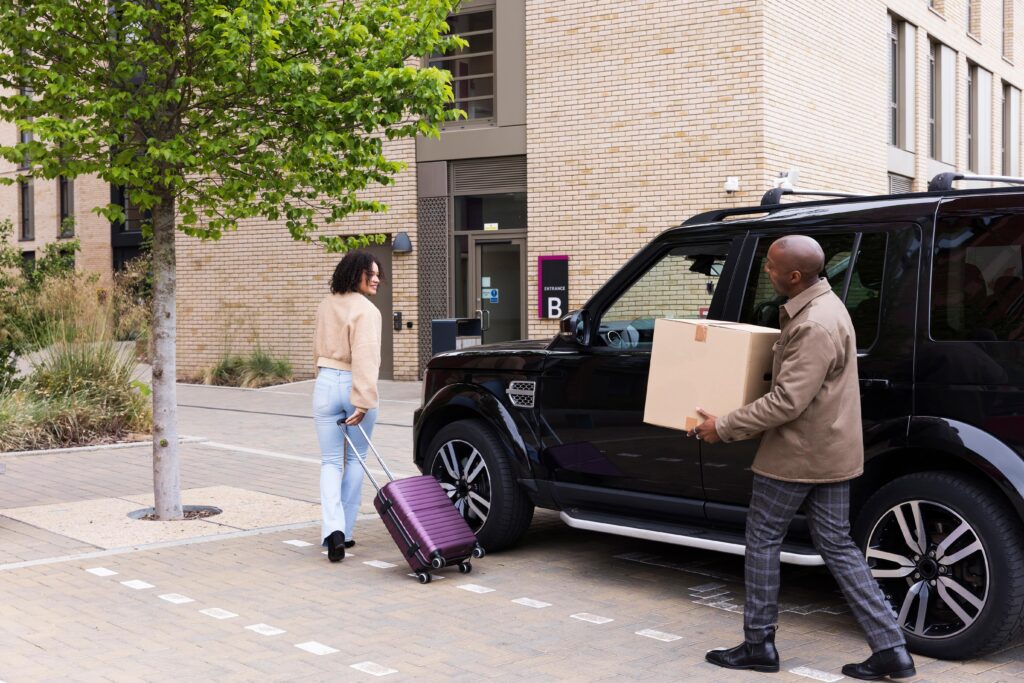
Instead of dealing with depreciation and annual bills, you can simply borrow a vehicle when you need wheels. Whether you’re borrowing your parents’ hatchback for a weekend trip or moving flat with a temporary van insurance policy, short-term cover is the perfect solution. Here’s how temporary insurance makes a car-free city lifestyle work:
- It’s Fast: If you’re wondering what the quickest way to get insurance is, temporary cover can be set up online in under two minutes, letting you hit the road immediately, whenever you need to borrow a car.
- It’s Flexible: You can choose policies ranging from a single hour up to 28 days, meaning you only ever pay for the driving time you actually need.
- No Risk to the Owner: If you’re borrowing a mate’s car, you might worry about what happens if you have an accident. Our temporary policies provide comprehensive cover that sits completely separate from the owner’s annual policy, protecting their hard-earned no claims bonus.
- No Dual Insurance Confusion: If you’re wondering if two people can insure the same car at the same time, the answer is yes. A temporary policy runs alongside the main annual policy without overlapping or causing issues.
Learning how to get insured on someone else’s car with a temporary policy is the ultimate life hack for city dwellers. You get all the benefits of driving when you need to, with absolutely none of the ongoing maintenance costs, clean air charges, or parking stress.
Making a Car-Free Life Work with Temporary Cover
How do you handle those times when you absolutely need a car? Here’s how city dwellers are turning to short-term policies to stay mobile:
- The Weekend Escape: You’ve sold your car to save money but still love hiking. When you want to head to the Peak District for a weekend, you can simply borrow a family member’s car. Instead of paying to be added as a named driver on their annual insurance, you can take out a 48-hour temporary car insurance policy. It costs a fraction of what annual ownership would, and because the policy is completely separate, their hard-earned no claims bonus is fully protected.
- The Flat Move: You need to move some furniture across town. Hiring a commercial van is expensive, so you ask a mate if you can borrow theirs for the afternoon. By setting up a temporary van insurance policy on your phone in under two minutes, you’re comprehensively protected for the day, helping you complete your move stress-free without any annual commitment.
Finding the Right Balance for Your Lifestyle
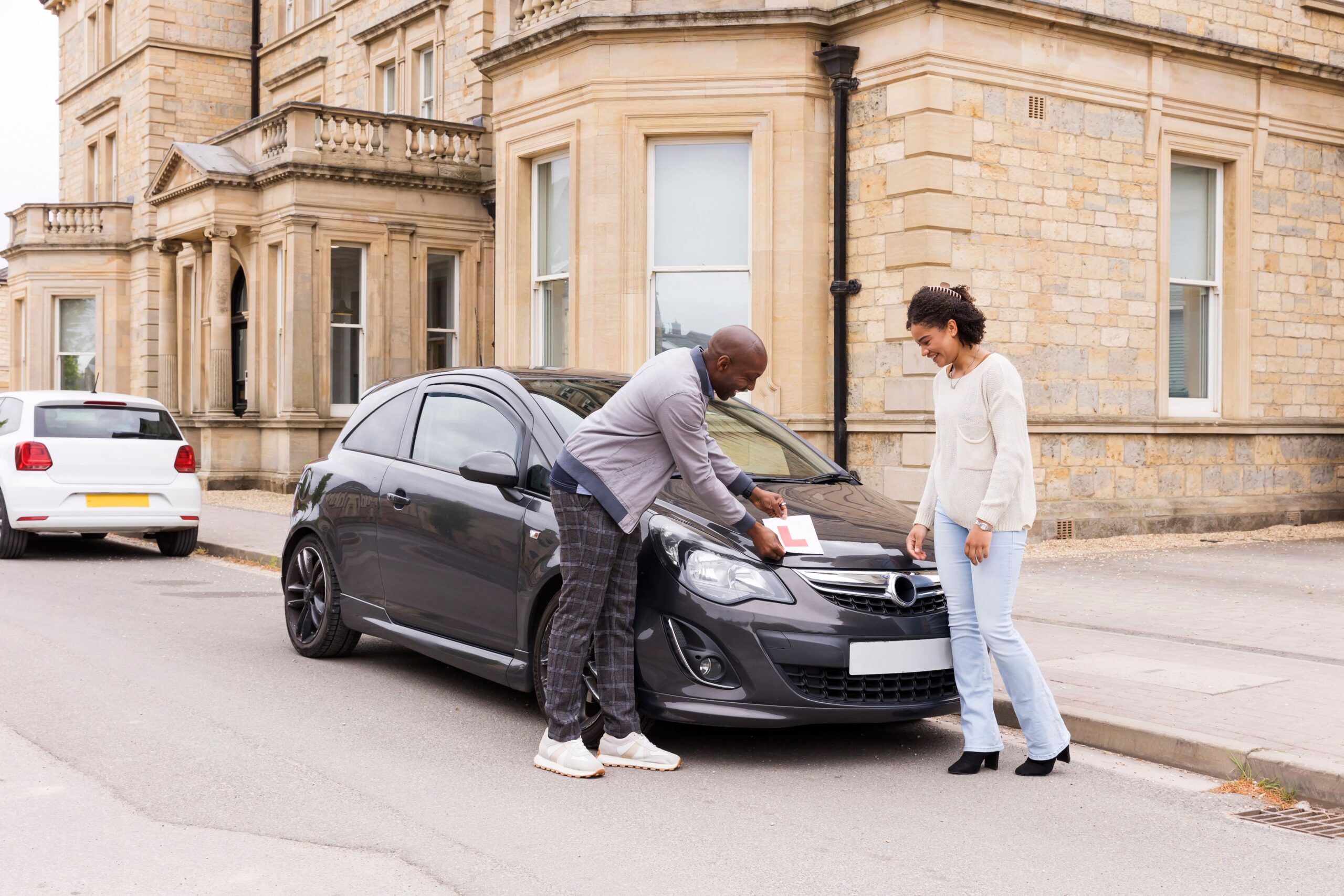
If you’re currently debating whether you should learn to drive because you live in a city, don’t let the high costs of ownership put you off. Having a driving licence is still an incredibly valuable life skill. You can use temporary insurance to get private practice in a family member’s vehicle, or to build driving confidence on the road once you’ve passed.
For families, you certainly don’t have to go completely car-free to save money; transitioning to a single-vehicle household is a popular middle ground. When you need to share the driving on a long journey, you can easily arrange temporary cover instead of permanently adding a temporary driver to your car insurance and facing administration fees.
For those looking to earn extra cash on the side, you might even consider borrowing a vehicle for a flexible side hustle. Just make sure you research the best way to get insured for delivery work to ensure you have the correct courier insurance in place.
Choose Temporary Cover for City Living
It’s clear that full-time city car ownership is becoming less and less practical. By choosing to borrow cars only when you need them, you can bypass the rising costs, avoid the parking fines, and keep your hard-earned money in your pocket.
Ready to borrow some wheels for your next journey? Get a flexible temporary car insurance quote from us in under two minutes and enjoy the freedom of the road on your own terms.
*We issued FOI requests to all UK councils, asking for PCN data between 2024 and 2025.
Similar articles you might like
-
The Cheapest Way to Insure a Learner Driver
Getting your driving licence gives you an incredible sense of independence, but between professional driving lessons, test booking…
-

Can You Drive a Van on Your Car Insurance?
You can’t drive a van on your car insurance. In practically every circumstance, standard private car insurance won’t…
-
Can You Drive a SORN Car to an MOT?
Yes, you can legally drive a SORN car to an MOT test, but only under very specific conditions.…