
The UK’s Biggest Driving Hypocrites: Are We All Guilty of Bad Driving Habits Behind the Wheel?
24 September 2026 |
 Graeme Stoker
Have you ever found yourself muttering at someone for cutting you up at a roundabout, only to squeeze into a tight gap yourself five minutes later? If so, you aren’t alone. Whether you’re driving your daily runaround, borrowing a car with temporary car insurance, or taking the wheel of a work vehicle with temporary van insurance, almost every motorist recognises road frustration.
At GoShorty, we surveyed1 British motorists to uncover the reality behind our daily driving habits. The findings reveal a glaring double standard: an eye-opening 74% of motorists admit to doing the exact things that drive them mad when other road users do them.
While almost all of us (96%) believe we’re polite, considerate drivers, 93% think everyone else on the road is below par. Let’s dig into the survey findings, uncover which car brands house the biggest driving hypocrites, and explore how we can all make UK roads less of a nightmare to travel on.
The Top 10 Bad Driving Habits We Secretly Commit
Most motorists hold strong opinions about road etiquette, yet our survey proved that our actions often slip when we’re in a rush.
Refusing to let another vehicle pull out topped the table as the UK’s most common hypocritical driving habit, with 17% of drivers confessing to blocking someone despite hating it when others do the same to them. Failing to signal when turning or switching lanes came second alongside refusing to let merging traffic in.
| Rank | Hypocritical Driving Habit | Drivers Who Admit Doing It |
|---|---|---|
| 1 | Refused to let another vehicle pull out | 17% |
| 2 | Failed to indicate when turning or changing lanes | 14% |
| 3 | Refused to let another vehicle merge into the lane | 14% |
| 4 | Failed to say thank you after being let out | 12% |
| 5 | Failed to acknowledge somebody who had given way | 12% |
| 6 | Cut into a queue of traffic | 11% |
| 7 | Been impatient with a learner or inexperienced driver | 11% |
| 8 | Flicked the middle finger or made an offensive hand gesture | 10% |
| 9 | Drove too close to the vehicle in front (tailgating) | 8% |
| 10 | Hogged the middle lane on a dual carriageway or motorway | 7% |
Failing to give the classic thank-you wave is a major sore point for British motorists. 12% admit they’ve failed to acknowledge someone who let them out, even though a missing wave can leave us fuming for miles.
Even more concerning, 11% of motorists admit to losing patience with learner drivers. We all had to start somewhere, and learners are often just trying to get through lessons or supervised practice safely.
Reflecting on these findings, Phil Evans, Managing Director, noted:
“Most drivers have a fairly clear idea of what they consider good and bad behaviour on the road, so it is interesting to see just how big the gap can be between the standards we expect from others and the way we sometimes behave ourselves.
Things such as indicating, letting someone merge or simply acknowledging another driver might seem small, but they can make a big difference to how calm and considerate our roads feel.
What this research really highlights is how easy it is to notice poor behaviour in somebody else while overlooking our own. A little more self-awareness behind the wheel could go a long way towards reducing frustration and encouraging safer, more courteous driving.”
The Top 10 Things That Annoy British Drivers Most
While we might forgive our own minor slip-ups, our tolerance for other motorists is remarkably thin. When asked what behaviours get under our skin the most, dangerous distractions and pushy driving habits came out right at the top.
Using a phone behind the wheel was voted the single most infuriating habit on UK roads, angering 65% of motorists. Tailgating and failing to indicate followed closely behind, tying for second place at 61%.
| Rank | Annoying Driving Behaviour | Proportion of Motorists Annoyed |
|---|---|---|
| 1 | Using a mobile phone while driving | 65% |
| =2 | Driving too close to the vehicle in front (tailgating) | 61% |
| =2 | Failing to indicate when turning or changing lanes | 61% |
| 4 | Parking across more than one space | 52% |
| 5 | Cutting into a queue of traffic | 50% |
| 6 | Not saying thank you after being let out | 49% |
| =7 | Speeding in a school zone | 47% |
| =7 | Blocking a junction | 47% |
| 9 | Hogging the middle lane | 45% |
| 10 | Flicking the middle finger or making an offensive hand gesture | 44% |
Comparing these pet peeves with our self-confessed habits highlights the UK driving double standard in sharp detail.
For instance, 61% of drivers say tailgating drives them mad, yet 8% admit they regularly sit right on the bumper in front. Similarly, while 49% get annoyed when someone forgets to offer a wave of thanks, 12% admit they have skipped the courtesy wave themselves. It turns out that many of the habits that ruin our morning journeys are the very ones we slip into when we are running behind schedule.
Which Car Brands Have the Most Driving Hypocrites?
When we look at the vehicles driven by self-confessed hypocrites, the data serves up some fascinating patterns.
Tesla owners took the top spot, with a massive 88% admitting they’ve broken their own driving standards behind the wheel. Cupra drivers tied for first place at 88%, followed closely by Škoda (83%), Kia (81%), Hyundai (81%), and Renault (81%).
| Rank | Car Brand | Drivers Admitting Hypocrisy |
|---|---|---|
| =1 | Tesla | 88% |
| =1 | Cupra | 88% |
| 3 | Škoda | 83% |
| =4 | Kia | 81% |
| =4 | Hyundai | 81% |
| =4 | Renault | 81% |
| 7 | MG | 79% |
| 8 | BMW | 76% |
| =9 | Audi | 74% |
| =9 | Ford | 74% |
Electric vehicles and modern plug-in hybrids feature prominently across this list. While EV drivers enjoy rapid, seamless acceleration and smooth single-pedal control, as we cover in our insurance for EVs guide, quick bursts of speed can sometimes lead to rushed decisions at roundabouts and junctions.
This survey also builds on our previous study exploring the rudest car drivers on UK roads, which highlighted how public perceptions of prestige badges like BMW and Audi compare to real-world driver behaviour.
Short Fuses and Horns: How Long Before Road Frustration Kicks In?
Driving can test anyone’s patience, particularly when stuck in stop-start commuter traffic. If you often wonder if traffic is getting worse, you aren’t imagining things – congested roads directly feed into rising driver stress levels.
According to our data:
- 35 minutes: The average time into a typical journey before a British driver gets annoyed by someone else on the road.
- 3 times per journey: How often the average UK motorist sounds their horn.
The horn is designed to alert other road users of your presence, but many of us reach for it in sheer frustration. The top triggers for beeping include:
- Another driver pulling out in front of them (37%)
- Getting cut up on a roundabout or junction (36%)
- A driver failing to move when the traffic lights turn green (35%)
On the plus side, our survey also found that drivers offer a friendly wave of acknowledgement to a courteous fellow motorist about 15 times per week.
If your daily commute leaves you feeling drained before you even reach the office, implementing a few practical commuting tips can help ease the strain. Leaving just ten minutes earlier or adjusting your route can significantly reduce the pressure to rush.
Autumn and Winter Driving Habits That Drive Us Crazy
Shorter days, rain, and icy patches mean autumn and winter bring their own set of motoring headaches. Our survey asked drivers about the seasonal bad habits that bother them most:
- Failing to dip full beam headlights (60%): Blinding oncoming motorists with high beams is the number one seasonal bugbear.
- Dazzling headlights in general (59%): Glare from misaligned bulbs or modern ultra-bright LEDs causes widespread discomfort on dark roads.
- Driving without lights in gloomy weather (41%): Forgetting daytime running lights or dipped beams when fog or heavy rain sets in.
- Tailgating in wet or icy conditions (38%): Stopping distances double in the wet and multiply by up to ten times on ice, as outlined in The Highway Code Rule 126.
- Using fog lights unnecessarily (35%): Leaving rear fog lights switched on when visibility is clear dazzles drivers behind.
- Portholing (30%): Setting off with only a tiny patch of the windscreen cleared of ice or condensation.
- Splashing pedestrians (30%): Soaking people on pavements isn’t just rude; it can also land you a fixed penalty notice for driving without reasonable consideration.
- Failing to slow down enough in heavy rain (30%): Driving too fast through surface spray raises the risk of aquaplaning.
- Driving through puddles without considering pedestrians (28%): Tearing through kerbside standing water without checking who is nearby.
- Not giving other motorists enough time or space in poor weather (27%): Crowding other road users when tyre grip and stopping reaction times are already compromised.
Phil Evans highlights why these habits carry extra risk as temperatures drop:
“During autumn and winter, behaviours that might ordinarily be irritating can quickly become genuine safety concerns. Reduced daylight, glare from headlights, rain, ice and poorer visibility all leave drivers with less margin for error, which makes patience and consideration even more important.
Simple habits such as dipping your headlights at the right time, clearing your windscreen properly and leaving extra space in wet or icy conditions can make a real difference – and save you from a potential fine for breaking road laws!
Ultimately, good driving is not just about what other motorists should be doing. It starts with taking responsibility for your own behaviour behind the wheel.”
For a full breakdown of winter vehicle preparation and seasonal safety checks, see our practical winter driving tips.
The Legal and Financial Costs of Careless Driving Habits
Bad driving habits do more than just raise blood pressure; they can also hit your bank balance. Under UK law, habits like tailgating, failing to signal, or lane hogging can be classified as driving without due care and attention (careless driving) under Section 3 of the Road Traffic Act 1988.
Here is what poor road habits can cost you:
- Fixed Penalty Notices: Careless driving typically carries a £100 fixed penalty and 3 points on your licence. In serious cases handled in court, fines can reach up to £5,000, along with a potential driving ban.
- Local Enforcement and Fines: Rushing through restricted lanes, yellow box junctions, or bus lanes often leads to steep council penalties. Keeping an eye on parking fine rises helps keep motoring expenses manageable, especially alongside the already high cost of owning a car in the city.
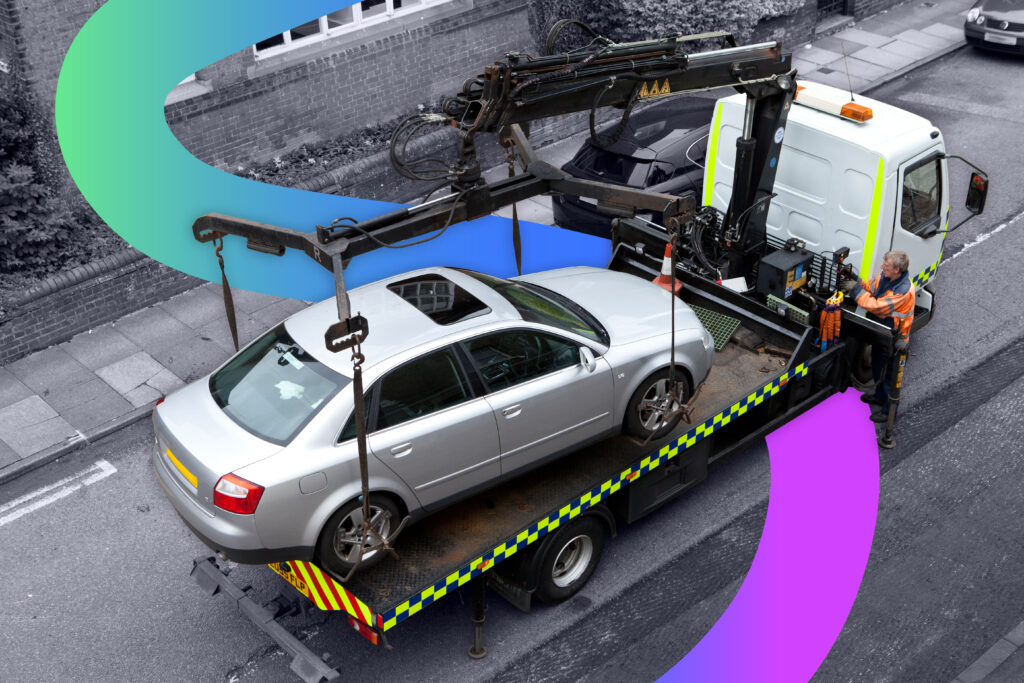
- Vehicle Seizure: If driving offences escalate, or if a vehicle is operated without valid road tax, MOT, or insurance, the police can seize and impound it. Getting a car back requires specialist paperwork and dedicated impound release insurance to secure its return from the compound.
5 Ways to Break the Double Standard Behind the Wheel
Becoming a calmer, safer motorist starts with simple changes to our own routine:
- Pause Before Beeping: Save the horn for moments of genuine danger, rather than expressing irritation.
- Leave Extra Space: Back off from the bumper in front, particularly on wet motorways or dark country lanes.
- Use the Two-Second Rule: Double it in the rain and increase it by up to ten times when dealing with ice or frost.
- Give Way Gracefully: Letting someone merge or pull out takes two seconds and keeps traffic flowing smoothly.
- Always Say Thank You: A brief flash of the hazard lights or a friendly hand wave keeps road courtesy alive.
As Phil Evans concludes:
“Driving is one of those situations where it can be very easy to judge somebody else’s behaviour while giving ourselves the benefit of the doubt.
Our research shows that most motorists value courtesy and consideration, but maintaining those standards starts with our own actions. Being patient, communicating clearly and giving other road users enough space can all help make journeys safer and less stressful for everyone.”
Whether you’re borrowing a family member’s vehicle, sharing the driving on a long road trip, or driving home a newly purchased car, staying legal and protected on the road shouldn’t be stressful.
With us, you can arrange short-term comprehensive cover in just a few minutes. Get a quick quote online today or download our temporary insurance app and hit the road with complete peace of mind.
- The research was conducted by market research agency Walr on behalf of GoShorty between the dates of 15th – 18th September 2026. The study consisted of 2,008 motorists and the results adhere to the MRS Code of Conduct based on the ESOMAR principles. ↩︎
Similar articles you might like
-
Is Traffic Getting Worse in the UK?
If everyday traffic seems to get worse on your daily commute, you aren’t imagining things. The total vehicle…
-
Latest Product Launches: Taxi Cover & Named Driver Impound Insurance
At GoShorty, we’re on a mission to make vehicle cover flexible, simple, and tailored to real life. Whether…
-

Parking Fines Rise by up to a Third in UK’s Top Summer Staycation Destinations
There’s nothing quite like packing up the car, cueing your favourite playlist, and hitting the open road for…