
Modifications That Affect Car Insurance
4 June 2026 |
 Chris Penfold
Whether you’ve just bought a car that’s had a bit of work done or you’re planning to spruce up your own ride, it’s important to know how modifications to your car can affect your insurance. It’s a common worry for drivers: Will a new set of alloys or the addition of a simple roof rack send my premiums through the roof?
When it comes to what is and isn’t classed as a mod, a good rule of thumb is that anything that isn’t part of the standard factory specification is technically a modification and could affect your insurance. While some changes won’t make a difference to your premiums, others could invalidate your policy altogether if you don’t mention them.
While temporary car insurance is a great way to get on the road quickly, especially if you’re borrowing a friend’s car or need drive-away cover for one you’ve just bought, it usually isn’t available for heavily modified cars, except those modified for disabled accessibility. Plenty of modifications can drive up the price of regular insurance or make your car uninsurable altogether. Before you make big changes to your vehicle, check out how they could impact your wallet…
What Counts As Modifications For Car Insurance?
In the eyes of an insurer, a modification is anything that has been changed since the car left the factory. This includes changes to the way the car looks, how it performs, or even how secure it is.
It doesn’t always have to be a massive engine swap or a neon underglow kit to count as a mod. Even small things like adding a tow bar or fitting parking sensors can count. Insurers care about these changes because they can affect the car’s value, the likelihood of it being stolen, or the risk of it being involved in an accident. Common modifications usually fall into a few categories:
- Performance: Changes to the engine, exhaust, or suspension.
- Aesthetic: New paint jobs, body kits, or tinted windows.
- Functional: Adding a roof rack, tow bar, or internal storage solutions.
- Security: Fitting an alarm, immobiliser, or tracker.
Do Factory-Fitted Options Count As Modifications?
If you’re buying a car brand new and you pick optional extras, like a premium sound system or upgraded leather seats, these are factory-fitted. Usually, because they were part of the car’s original build, they aren’t classed as aftermarket modifications.
However, if a previous owner added those same items after the car was delivered from the manufacturer, they become modifications and must be declared. When in doubt, check the original vehicle invoice if you have it.
What Modifications Do You Have To Declare?
Most insurance companies require you to declare all modifications, even if you think they’re minor or actually make the car safer. When it comes to insurance, it’s always important to provide all the correct information, including any changes to your vehicle.
The Financial Ombudsman Service warns that a growing number of drivers are facing huge bills because they unknowingly invalidated their insurance by failing to declare changes or opting for mods that are uninsurable. Even minor tweaks like tinted windows or stereo upgrades can lead to a rejected claim if they weren’t declared.
When Should You Declare Modifications?
You shouldn’t wait until your policy is up for renewal to mention a change. Timing is everything when it comes to staying legal and covered.
- When applying for a quote: If you’re buying a car that is already modified, or buying a new policy for one, you must declare every single modification at the point of application. Failing to do this means your policy is invalid from the moment it starts.
- Before you make a modification: It’s always best to check the impact of a mod before you spend money on parts or labour. Some changes might make your car uninsurable with your current provider, or drive your premiums right up. Checking the potential impact before you commit to the change can save you a lot of stress.
- As soon as a modification is fitted: If you decide to modify your car mid-policy, you need to inform your insurer immediately. Don’t wait until your renewal date; if you have an accident in the meantime, you won’t be covered.
If you don’t declare a modification and then have an accident, your insurer could refuse to pay out. This could leave you in a tricky spot, potentially facing driving fines or having your car taken away. If the worst happens, you might even need impound release insurance to get your vehicle back.

Car Modifications That Don’t Affect Insurance
Not every change to your car will result in a higher bill. In fact, some modifications are seen as neutral by many insurers. You should still declare them, though.
Common mods that often have little to no impact on your premiums include:
- Parking sensors: These often reduce the risk of low-speed bumps, so insurers usually don’t mind them.
- Roof racks and tow bars: As long as they are fitted safely, these are generally seen as functional rather than risky.
- Manufacturer-fitted options: As mentioned, if it was on the car when it rolled off the assembly line, you’re usually in the clear.
- Winter tyres: Most UK insurers have agreed that fitting winter tyres won’t increase your premium, provided they are professionally fitted and are the right type for your car.
However, you should still let your provider know. It’s much better to spend two minutes on the phone than to risk invalidating your car insurance.
Car Insurance Modifications List: What Must Be Declared
While it’s impossible to list every single part you could swap, here are the most common modifications that insurers expect to hear about if you make any changes.
Bodywork and Exterior
- Spoilers and wings: Even small ones can change a car’s aerodynamics and value.
- Wheel arch alterations: Widening arches to fit bigger tyres is a major mod.
- Window tinting: Beyond a certain level, this is illegal on front windows, but any tint must be declared.
- Paint and decals: Custom resprays, vinyl wraps, and even large stickers or decals count.
Mechanical and Performance
- Engine upgrades: This includes everything from a full engine swap to a simple ECU remap or chip.
- Exhaust systems: Upgraded exhausts that improve performance or change the sound level.
- Brakes and transmission: Swapping for high-performance discs or changing your gearbox dynamics.
- Suspension: Lowering the car or stiffening the ride for better handling.
Interior Changes
- Seats and steering wheels: Replacing standard seats with racing buckets or swapping the steering wheel.
- Pedals and lights: Even aftermarket foot pedals or custom interior LED lighting should be declared.
Modifications That Could Increase Your Premium
Insurers calculate your price based on risk. If a modification makes the car faster, more valuable, or more attractive to thieves, your premium will likely go up.
Performance Enhancements
Any change that makes your car more powerful or changes its handling is a major factor.
- Engine remapping or chipping: This alters the car’s software to increase power. Insurers see this as a higher accident risk because the car can travel faster than its original safety specs intended.
- Upgraded turbochargers: More power equals more risk.
- Suspension changes: Lowering your car might look cool, but it can make the car harder to drive over speed bumps or rough roads, increasing the chance of a claim.
Aesthetic and Exterior Changes
If the car looks more expensive or unique, it’s more of a target.
- Specialist paint or wraps: A custom matte wrap or pearlescent paint job is much more expensive to repair than standard factory paint.
- Alloy wheels: Non-standard alloys are high-priority items for thieves. Even if they don’t make the car faster, they make it more likely to be broken into.
- Body kits and spoilers: These change the aerodynamics and value of the car, often pushing it into a higher insurance group.
Interior and Technology Upgrades
It isn’t just the outside that matters when it comes to premium prices.
- High-end infotainment and sound systems: Large touchscreens or massive subwoofers are theft magnets. If an insurer thinks your car is more likely to be broken into, they’ll charge more to cover that risk.
- Removing seats: Often done to save weight or for day-van conversions, this changes the vehicle’s fundamental use and can significantly impact your rate. If you’ve done this, your vehicle may no longer be insurable as a van or car and will instead need specialist campervan insurance that covers day-vans.
Can Any Modifications Make Insurance Cheaper?
It’s not all bad news! Some changes can actually help you find cheaper car insurance. Anything that makes your car harder to steal or safer to drive is a win.
- Security Tech: Thatcham-approved alarms, immobilisers, and trackers are big pluses.
- Catalytic Converter Cages: With thefts on the rise, these cages reduce the risk of a costly claim.
- Parking Sensors and ADAS: Features like pedestrian detection and blind-spot monitoring reduce the chance of a bump.
- Dash Cams: While not always a direct discount, they help prove you weren’t at fault in an accident, protecting your No Claims Bonus.
- Engine Downsizing: Swapping a large engine for a smaller, more efficient one can lower your premium.
- Tow Bars: Insurers often see tow bars as a sign of a slower, more cautious driver.
What Are The Illegal Aftermarket Modifications?
Personalising your car is great, but some things are flat-out illegal in the UK. If you fit these, you’re not just risking your insurance; you’re risking a run-in with the police.
- Extreme Window Tints: Front windscreens must let at least 75% of light through; front side windows need 70%. If your tints are too dark, you can be ordered to remove them on the spot.
- Illegal Lighting: Blue, green, or purple headlights are banned, as are flashing LEDs that mimic emergency vehicles.
- Under-car Neon Lights: While you can have them fitted, you generally can’t use them while driving on public roads.
- Loud Exhausts: UK law sets a noise limit of 74 decibels (72dB for newer cars). Removing the silencer is illegal.
- Unsafe Suspension: Lowering a car so much that the tyres rub on the arches or the car can’t clear speed bumps makes it unroadworthy.
- Removing Emissions Gear: Taking out a catalytic converter or DPF to map it out is illegal.
Driving around with any of these illegal mods will lead to fines for them and penalties for driving without insurance. Penalties that will stay on your record for years.
Do Insurance Companies Check Modifications?
You might think an insurer will never know about that small remap you did or the new alloys you added, but they are experts at spotting changes. If you make a claim, an assessor will look at your car in detail. They can check the engine’s ECU for software changes or look for non-standard parts.
It’s also worth noting that most standard insurance policies only offer standard specification replacement. This means if your £2,000 custom alloys are stolen, the insurer might only pay out for the cost of the basic wheels that originally came with the car.
Buying A Pre-Modified Car: What To Look For
If you’re buying a used car, you are responsible for its current state – even if you didn’t make the changes yourself. If you suspect a car has been tinkered with, ask for the service history. If you find out later that the car was modified and you didn’t declare it, your insurer could still cancel your policy.
Summary Checklist For Modifying Your Car:
- Check the law: Ensure it’s legal and MOT-compliant.
- Call your insurer first: See how much it adds to your premium before getting the work done.
- Declare immediately: Don’t wait for your renewal date.
- Think about safety: Always use a professional for fitting.
Whether you’re adding a bike rack for a weekend away or just want a fresh look, honesty is always the best policy. Keep it legal, keep it declared, and avoid any car icks while you’re at it!
Need cover in a hurry for a standard car? Get a temporary car insurance quote in under 2 minutes, or in just a few taps when using our app, and drive with confidence.
Similar articles you might like
-
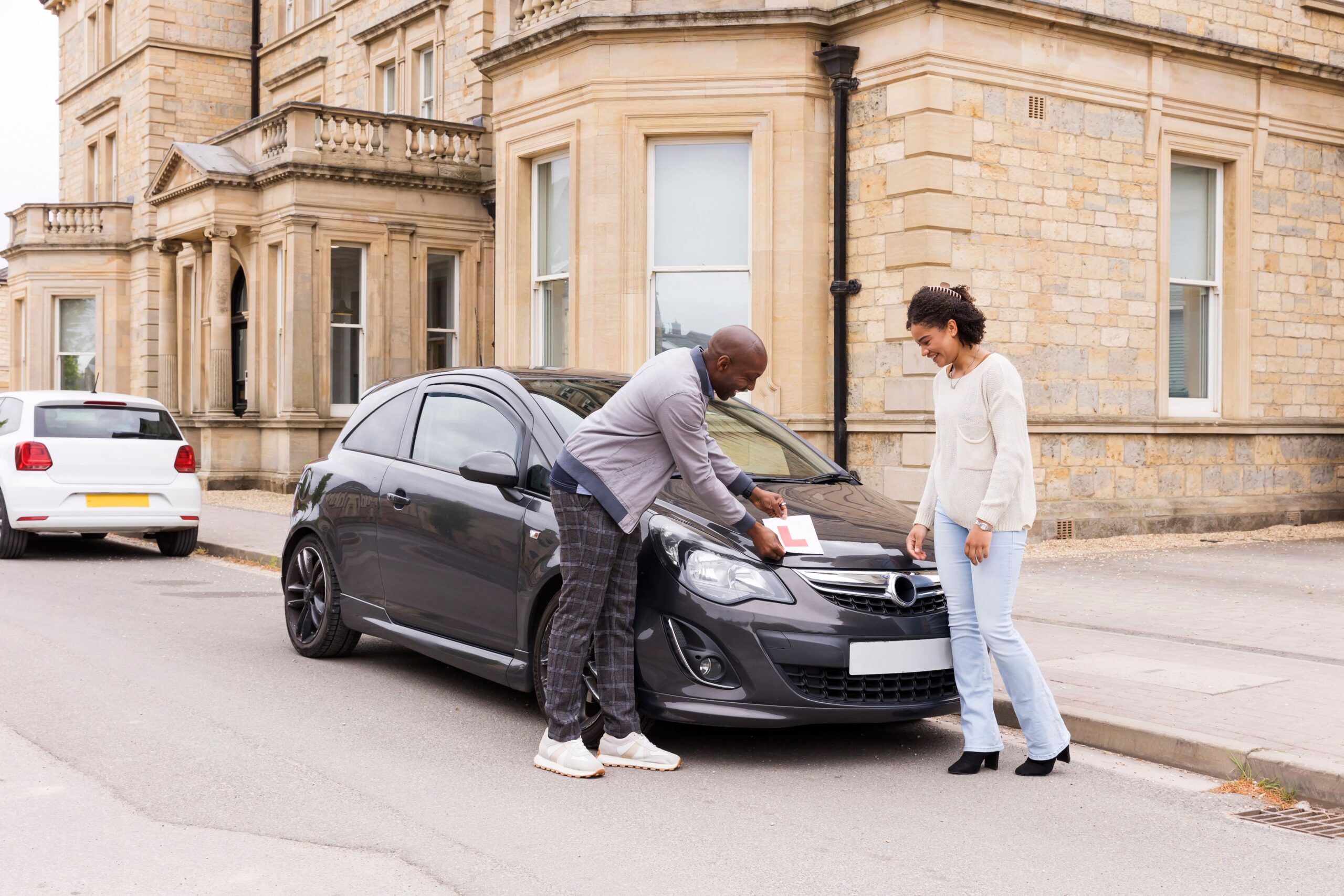
The Cheapest Way to Insure a Learner Driver
Getting your driving licence gives you an incredible sense of independence, but between professional driving lessons, test booking…
-
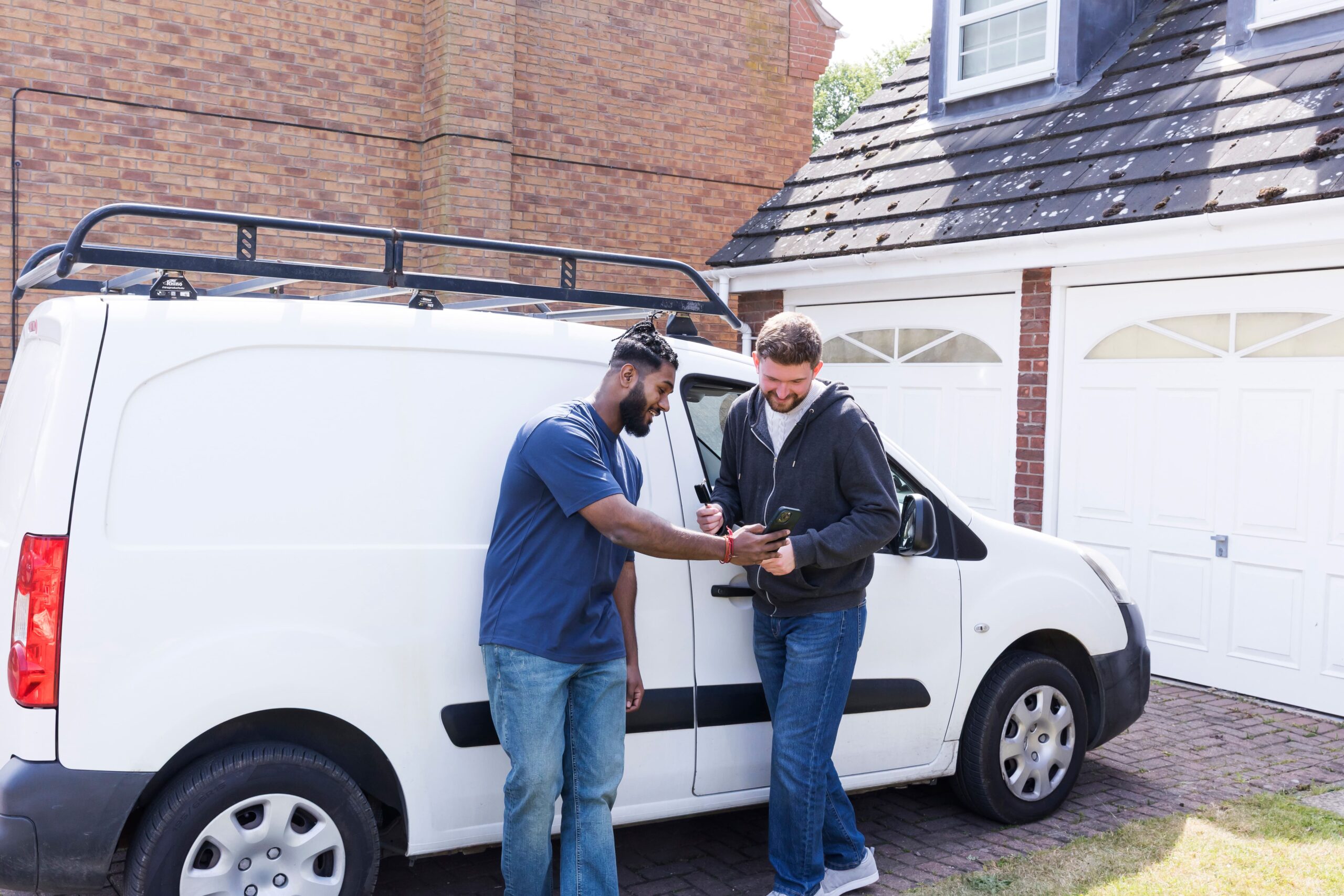
Can You Drive a Van on Your Car Insurance?
You can’t drive a van on your car insurance. In practically every circumstance, standard private car insurance won’t…
-
Can You Drive a SORN Car to an MOT?
Yes, you can legally drive a SORN car to an MOT test, but only under very specific conditions.…