
Can You Tax a Car Without Insurance?
27 August 2026 |
 Matt Wood
The short answer is no, you can’t. Whether you’re taxing a newly bought motor, renewing your road tax, or taking a vehicle off a SORN, active insurance must be registered on central databases first. Both road tax and vehicle insurance are legal essentials for driving on UK roads.
When you apply for vehicle tax online, by phone, or at a Post Office counter, the DVLA runs an automated check against Navigate – the central motor insurance database managed by the Motor Insurers’ Bureau (MIB). If the system can’t find an active policy linked to your reg, your application is declined straight away.
The good news is that you don’t need to commit to a costly 12-month agreement just to clear this paperwork hurdle. Flexible temporary car insurance gives you instant, comprehensive cover so you can get insured and taxed on the same day.
What You Need to Know About Tax & Insurance
- Active insurance is legally required before you can tax any vehicle in the UK because the DVLA checks your status automatically against Navigate.
- Temporary car insurance is a valid, flexible way to satisfy DVLA tax requirements without locking yourself into an annual policy.
- We update Navigate four times a day, 365 days a year, so your short-term policy registers quickly, meaning you can tax your car online without long delays.
- While the registered keeper listed on the V5C logbook is legally responsible for keeping a car taxed, anyone with the logbook reference number can complete the tax payment.
- You can’t tax a car for a single day, as 6 months is the minimum tax period, but the DVLA automatically refunds any remaining full calendar months if you sell or SORN the vehicle early.
- Roadside ANPR cameras linked directly to national databases allow police to spot untaxed or uninsured vehicles automatically.
- To be fully road legal in the UK, your vehicle must be taxed, insured, and hold a valid MOT certificate.
Can You Tax a Car on Temporary Insurance?
Yes, temporary car insurance is a fully valid way to tax a car. The DVLA requires active, legal insurance at the exact moment you apply for tax, but it does not specify that you must hold a 12-month agreement. However, keep in mind your vehicle must be continuously insured at all times unless SORN.
Short-term cover provides comprehensive legal protection and works identically to standard annual insurance on Navigate. Over 60,000 drivers used our policies last year to successfully tax their vehicles, making it a reliable route when you need to get moving quickly.
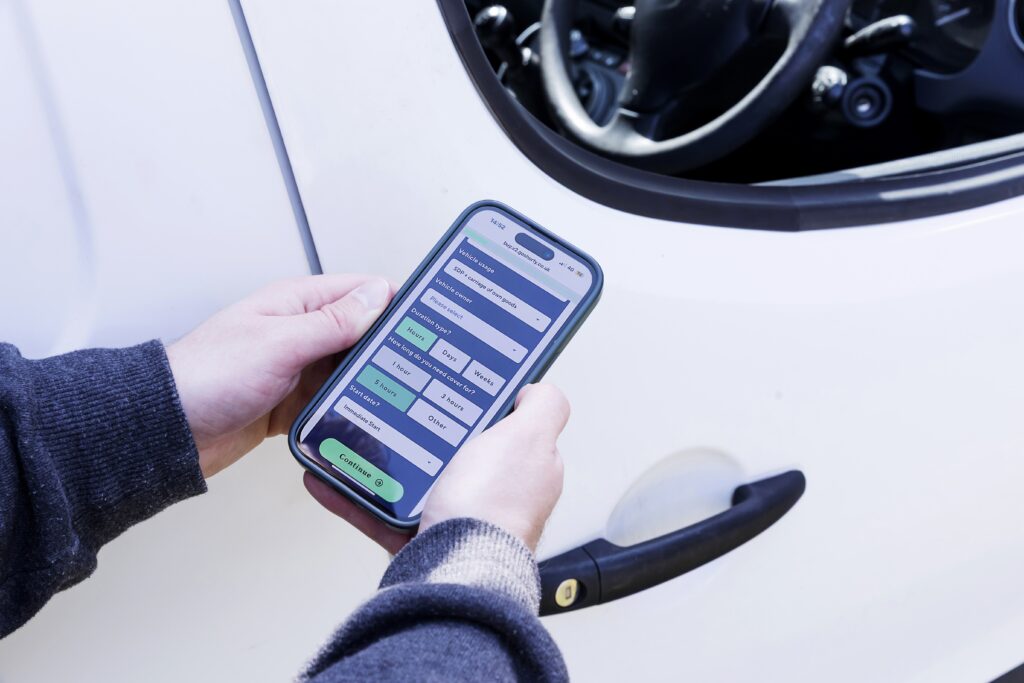
Using Temporary Cover to Tax Your Vehicle
- Picking up a new car: If you need to drive a new car home after collecting it from a private seller or dealership, you’ll need to sort tax and insurance first. Setting up drive-away insurance lets you secure cover, pay your vehicle tax on your phone, and head home safely.
- Bridging policy gaps: If your road tax renewal falls during a transition between policies, short-term cover keeps your vehicle legal while you sort out long-term arrangements.
- Taxing commercial work vehicles: If you’re using a work van for a quick project, temporary van insurance offers the same eligibility for DVLA road tax.
Understanding Tax and Insurance: Which Comes First?
When you’re picking up a new car, borrowing a vehicle for a trip, or helping out a family member, getting the paperwork in the right order saves time and stress.
Can You Insure a Car Without Tax?
Yes, you can insure a car without tax. In fact, you have to. Insurance must always be arranged before you try to tax the vehicle.
Insurers don’t require your car to be taxed when you take out a policy. They simply require the vehicle to be roadworthy with a valid MOT certificate where applicable. Once your cover is live, you can go straight to the official GOV. UK vehicle tax portal to complete your road tax application.

Do You Need Insurance to Tax a Car Online?
Yes, you need valid insurance to tax a car online, by phone, or in person at a Post Office counter. Entering your registration details and logbook reference into the DVLA portal triggers an automated check against Navigate.
If your policy status shows as expired or unlisted, the system stops the transaction immediately. Whether you’re setting up tax for the first time or wondering if you need valid insurance to renew vehicle tax, an active policy must be present on the database every single time.
Can You Tax and Insure a Car If You Don’t Own It?
Yep, you can tax and insure a car even if you’re not the official owner, provided you have the owner’s permission and a legitimate reason to drive it.
Anyone can insure a car on a short-term or annual policy without being the registered keeper. When it comes to road tax, the registered keeper named on the V5C logbook carries the ultimate legal responsibility for keeping the car taxed or SORNed. However, anyone who holds the V5C logbook reference number (or the V5C/2 new keeper slip) can physically process the tax payment on the keeper’s behalf.
Do You Still Get 14 Days’ Grace to Tax Your Car?
No, there’s no 14-day grace period to tax a car in the UK. Road tax doesn’t transfer from the seller when ownership changes. The moment a car changes hands, the previous tax is cancelled, and you must tax the vehicle before driving or parking it on public roads.
Is Car Insurance Invalid Without Tax?
Lacking road tax doesn’t automatically void your insurance policy, but driving untaxed remains illegal. If an incident occurs, insurers review claims carefully to determine whether the vehicle was stored or driven unlawfully. Keeping both tax and insurance up to date avoids unnecessary complications.
Steps to Ensure Your Road Legal
To make sure your vehicle is clear to drive or park on public roads, make sure you’ve covered all bases:
- Arrange insurance: Set up an annual policy or a short-term policy first.
- Verify MOT status: Ensure the vehicle has a valid MOT certificate (unless exempt by vehicle age or type).
- Pay DVLA vehicle tax: Apply for road tax online, by phone, or at a Post Office.
- Drive legally: Once all three requirements are confirmed, your car is officially ready for the road.
How Our Frequent Navigate Updates Allow You to Tax Your Vehicle With Temporary Insurance
Drivers often wonder how long it takes for insurance to show on the MID (now known as Navigate). Because the DVLA tax system relies on live updates, database syncing speeds matter.
While some insurers only update Navigate once a day, every 48 hours, or even just once a week, we update Navigate four times a day, 365 days a year. This frequent syncing ensures your short-term cover registers rapidly, letting you tax your vehicle online without sitting around waiting for paperwork to process.

What Vehicles Need to Be Taxed and Recent Rule Changes
Understanding which vehicles need tax, and staying up to date with changing regulations, can keep car admin worries at bay.
Which Vehicles Must Be Taxed?
As a general rule, every motor vehicle driven or kept on public roads in the UK must be taxed. This includes cars, vans, motorbikes, and commercial vehicles.
Even if a vehicle qualifies for a £0 rate, such as certain historic or disabled passenger vehicles, you must still process an annual tax application with the DVLA to keep its status active. The only time a vehicle doesn’t need road tax is when it’s kept off public roads on private land and officially registered under a Statutory Off Road Notification (SORN). Cars must be insured and taxed if they’re parked on a public road.
Recent Changes to Electric Vehicle Road Tax
A recent key update to UK road tax rules affects electric vehicles (EVs) and low-emission cars:
- EVs pay standard road tax: Electric cars registered on or after 1 April 2025 pay standard Vehicle Excise Duty (VED). The previous £0 zero-emission rate was phased out to create a balanced system across all vehicle types.
- First-year rates for new EVs: Newly registered zero-emission cars pay the lowest first-year VED band before moving to the standard annual rate.
- Expensive car supplement: Electric vehicles with a list price exceeding £50,000 are subject to the expensive car supplement from their second year of registration onwards. The threshold was previously £40,000.
If you’re switching to an electric vehicle, familiarise yourself with what affects the price of car insurance, find out more about electric vehicle insurance, and remember to factor road tax into your budget.
Tax Rules for Classic Cars and Exemptions
While most drivers pay standard VED, specific rules apply to certain categories:
- Historic vehicles: Vehicles constructed more than 40 years ago qualify for the historic vehicle tax class, allowing you to apply for an exemption where the annual tax fee is £0.
- Disabled passenger vehicles: Vehicles used by or for a disabled person can be exempt from road tax fees, though an annual application is still required.
- SORN vehicles: If you store a vehicle on a driveway or in a garage without driving it on public roads, declaring it as SORN removes the requirement for road tax and continuous insurance.
Can I Insure and Tax a Car the Same Day?
You can easily insure and tax a car on the same day. Securing temporary cover with us takes under two minutes.
While our system updates Navigate four times every single day, the DVLA tax portal relies on seeing an active insurance record on their end. If a vehicle has been uninsured or registered under a SORN, database syncs can sometimes take a short while to clear through the DVLA’s system.
If you’re setting up short-term insurance specifically so you can tax your car today, it’s usually best to take out cover for a day or two rather than just an hour. This buffer gives the DVLA database plenty of time to catch up with Navigate.
Crucially, you don’t need to wait for Navigate to update before you drive once your tax is paid. As soon as your temporary cover is confirmed and we email your certificate, your insurance is live and valid right away.
Can You Tax a Car for a Day?
While you can insure a car for a single day, you can’t tax a car for just a day. The DVLA doesn’t offer daily, weekly, or short-term road tax.
When paying vehicle tax in the UK, the standard payment options are 12 months (paid upfront or through monthly Direct Debit) or 6 months (paid upfront). If you only need a car on the road for a brief period, such as a week or two, you still need to set up road tax for a minimum 6- or 12-month block. However, you won’t lose money for unused months.
How Road Tax Refunds Work
When you sell the car, transfer ownership, or declare it SORN, the DVLA automatically processes a tax refund, according to official GOV. UK vehicle tax refund guidance, refunds are automatically issued for any remaining full calendar months as soon as the vehicle status updates on the DVLA system.
How Police Check If Your Vehicle Is Taxed and Insured
Police forces across the UK don’t need to pull your vehicle over to check whether it’s taxed and insured. The process is completely automated using roadside camera technology and connected national databases.
Roadside ANPR Cameras and Live Databases
Police patrol vehicles and fixed traffic camera networks use Automatic Number Plate Recognition (ANPR) technology. As your vehicle passes an ANPR camera, the system reads your registration plate and instantly cross-references it against two central databases:
- The DVLA database: Checks whether the vehicle has paid road tax, holds an active SORN, or possesses a valid MOT.
- Navigate (managed by the MIB): Checks whether the vehicle has an active insurance policy.
If either database returns a missing status, nearby officers are alerted automatically. Even if you’re not out driving, regular checks under Continuous Insurance Enforcement (CIE) regulations compare DVLA registration records against Navigate to flag non-compliant vehicles.

What Happens If Your Car Isn’t Taxed or Insured?
It’s easy to forget a tax renewal date or misjudge an insurance end date, but sorting it out quickly keeps you protected. If a vehicle is spotted untaxed on public roads, the DVLA sends a late licensing penalty or an out-of-court settlement offer.
Similarly, driving without insurance carries hefty penalties, but getting covered takes just a few minutes. If you ever want to check your current status, our walkthroughs explain how to check car tax and how to check car insurance.
What Do I Need to Tax My Car?
Whether you apply online, over the phone, or in person, you’ll need one of these reference numbers:
- A V11 tax reminder letter: The 16-digit reference number printed on your DVLA notice.
- Your V5C logbook: The 11-digit reference number if the vehicle is registered in your name.
- A V5C/2 new keeper slip: The 12-digit reference number if you have recently bought the car.
- A V62 application form: Used if you do not have the logbook or new keeper slip.
Do You Need Proof of Insurance to Tax a Car at the Post Office?
Clerks at Post Office branches in England, Scotland, and Wales check Navigate digitally, so you don’t need to carry paper proof of insurance. However, having your digital certificate accessible on the GoShorty app provides handy reassurance.
Get Temporary Insurance and Tax Your Car With Ease
Sorting out your vehicle tax shouldn’t pressure you into a long-term insurance contract you’re not ready to commit to. If you’re driving a newly purchased car home, borrowing a vehicle for a road trip, or bridging a policy gap, short-term insurance keeps the process quick and simple.
With flexible cover from one hour to 28 days that protects the car owner’s No Claims Bonus, and Navigate updates running four times every day (365 days a year), getting road legal has never been easier.
Looking for the quickest way to get insurance and sort your road tax today? Get a quote in under two minutes, get insured instantly, and take care of your vehicle tax without delay.
Similar articles you might like
-
The Cheapest Way to Insure a Learner Driver
Getting your driving licence gives you an incredible sense of independence, but between professional driving lessons, test booking…
-
Can You Drive a Van on Your Car Insurance?
You can’t drive a van on your car insurance. In practically every circumstance, standard private car insurance won’t…
-
Can You Drive a SORN Car to an MOT?
Yes, you can legally drive a SORN car to an MOT test, but only under very specific conditions.…