
The Cost of Adding a Learner to Your Insurance
23 April 2026 |
 Phil Evans
The price of learning to drive can be a bit of a shock. Once you’ve committed to getting on the road, the bills start to stack up quickly. Between the rising price of lessons and booking tests, you’ve also got to factor in learner driver insurance so you can get those vital extra hours of private practice.
When weighing up these expenses, many parents naturally look at adding a learner to their own annual policy. However, the impact of this approach often extends far beyond the initial quoted price.
The final figure depends on your provider, your car, and even where you live. While adding a named driver is a traditional route, it isn’t always the most cost-effective or flexible option. We’ll break down the numbers and show you why standalone learner insurance might be a better fit for your pocket and your peace of mind.
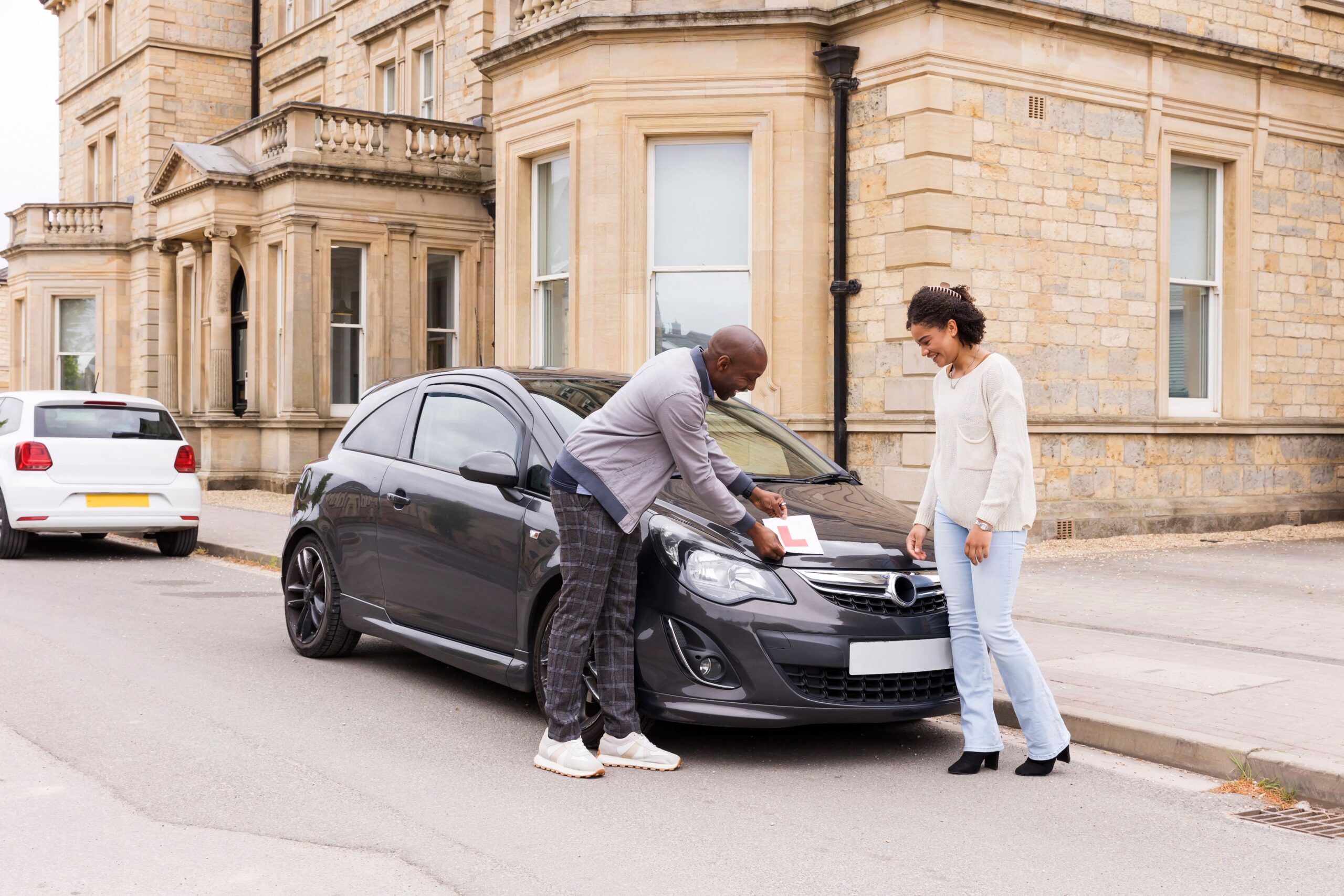
How Much Does It Cost To Add A Learner Driver To Your Insurance?
The cost of adding a learner to your insurance can vary greatly. You can expect your premium to rise by hundreds of pounds; in some instances, adding a high-risk provisional driver to your car’s annual insurance could even push the price up by over £1,000.
On top of the premium increase, most insurers will also charge an administration fee (usually between £25 and £50) just to make the change to your policy.
Adding a learner to your insurance as a named driver is an expensive process, but the potential costs don’t stop there. Going down this route could also leave you paying out even more in the future, as it puts your no-claims discount at risk…
The Hidden Cost of Adding a Learner to Your Policy: At Risk No Claims Bonus
One of the biggest downsides to adding a learner to your annual policy isn’t the upfront cost – it’s what happens if they have a bump.
If a learner driver’s involved in an accident while they’re a named driver on your policy, it’s your No Claims Bonus (NCB) that’s at risk. Losing years of hard-earned discounts can make your own insurance much more expensive for years to come, even once the learner has a full licence, or if they aren’t on the policy at all.
This is where temporary learner driver insurance offers a huge advantage. Because it’s a separate, standalone policy, any claims made by the learner won’t affect the main car owner’s NCD or premiums – keeping your policy safe while they get the practice they need.
The Alternative to Adding a Learner to Your Insurance
Because of the high costs and NCD risk associated with adding a learner to your policy, standalone or temporary insurance is often the best way to insure a learner. Compared to adding a learner, this approach means:
- The car owner’s no-claims discount will be protected
- Annual premiums won’t be affected
- You’ll just be paying for cover when you actually need it, thanks to flexible duration options from 1 hour to 24 weeks.
- You can take out policies for different vehicles rather than having them tied to a single practice car.
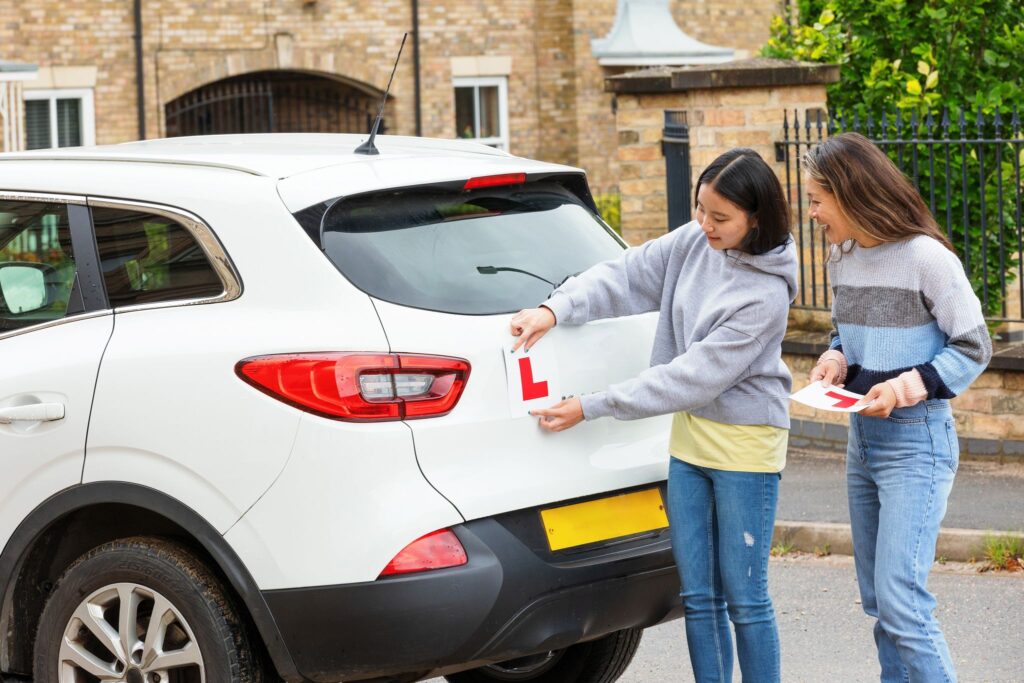
So, How Much Does Learner Insurance Cost?
Dedicated learners’ insurance is a fantastic alternative to naming them on your own insurance policy.
Temporary learner driver insurance costs start as low as £19.14 for an hour, which is ideal if you’re just looking to bank more driving hours before test day. For longer-term use, you’ll be looking at around £24.54 for a day or from £55.45 for a week.
Compared to the hundreds to thousands of pounds it can cost to add a learner to your policy, temporary cover can easily be the cheaper choice. Add to that the benefit of it being a standalone policy, and it’s easy to see why the best way to insure a learner isn’t by adding them to your policy at all.
Why Is It Expensive To Add A Learner Driver to Insurance?
Insurers work on a risk basis, and understandably, provisional licence holders pose a risk to the roads. Statistically, younger and less experienced drivers tend to experience more accidents, which means the amount needed to insure them is higher.
The risk they can pose to the roads is reflected in the way the government’s Ready to Pass campaign has shifted its focus from advising learners to get a recommended amount of hours under their belt to pass, to encouraging real readiness and comfort on the road.
They’re advising that the way to help a learner is to ensure they don’t take their test until they’re 100% ready. This is arguably to avoid more young drivers on the road who have simply learnt how to pass their test rather than learnt how to safely drive. As well as the associated risk of provisional licence holders, other factors can also affect insurance costs for learners:
- The Insurance Group: If you drive a valuable car with a powerful engine in a high insurance group, the cost to add a learner will be significantly more. The best cars to learn to drive in tend to be in lower insurance groups.
- Your Location: If you live in a busy urban area with higher accident rates, the cost will reflect that, whether you’re adding a learner on, or insuring them separately.
- The Learner’s Age: A 17-year-old is generally seen as a higher risk than a learner in their 30s. We know that plenty of people learn later in life, which is why we cover ages from 17 to 75.
We believe insuring a learner driver should be stress-free and flexible, which is why we offer an alternative to adding them to your policy. Get covered for an hour of practice to nail that tricky junction, to a few weeks of cover to lead up to your driving test, we’ve got you covered.
At GoShorty, our temporary learner insurance is flexible, comprehensive, and most importantly, protects the owner’s No Claims Bonus. With our easy-to-use app, you can get a quote in under 2 minutes and be on the road the same day.
Similar articles you might like
-
The Cheapest Way to Insure a Learner Driver
Getting your driving licence gives you an incredible sense of independence, but between professional driving lessons, test booking…
-
Is It Better to Learn Manual or Automatic?
Choosing between manual or automatic driving lessons is a really important decision to make when you’re deciding to…
-

What You Need to Know About Learner Insurance on Your Own Car
Buying a vehicle before passing your practical test is an exciting step towards getting your full driving licence.…