
How to Get Your Vehicle Out of an Impound
11 December 2025 | 
Finding out your car has been seized is a nightmare. Whatever the reason for impoundment, whether it was down to a lapsed policy, an untaxed vehicle, or a misunderstanding about who was covered to drive, the result is the same: your car is gone, and the clock is ticking.
It’s stressful, but panic won’t help get your keys back. Action will. The rules for releasing impounded vehicles are strict, and the costs rack up daily, so you need to move fast to get your car back with minimal added costs.
If you’re in the position of having to ask, how do I get my car back from the impound? This guide is for you. Here we’ll break down exactly what you need to do, the specific documents required, the impound insurance needed and why standard insurance won’t cut it.
First Steps: Check if Your Car Has Been Impounded
If you weren’t with the vehicle when it was taken – maybe it was towed while parked – you might initially think your car has been stolen. Before you report a theft, check if it’s been seized. How you’re notified depends on why the car was taken:
- Insurance or Licence Offences: If your car is seized because of uninsured driving or driving without a valid licence (under Section 165A), the police will typically issue a seizure notice (Form 3708) to the driver at the scene.
- Other Reasons: If your vehicle was impounded for another reason – such as being stolen and found, involved in a collision, or causing an obstruction – or if you weren’t with the car when it was taken, you will usually receive a notice letter in the post. This letter will confirm where your vehicle is and when it is ready for collection.
If you haven’t received a notice or letter yet, you can call 101 (the police non-emergency number) to locate the specific impound where your vehicle is being held.
Don’t delay this part. Storage fees often start piling up from midday on the day after seizure, so knowing where your car is immediately is vital.
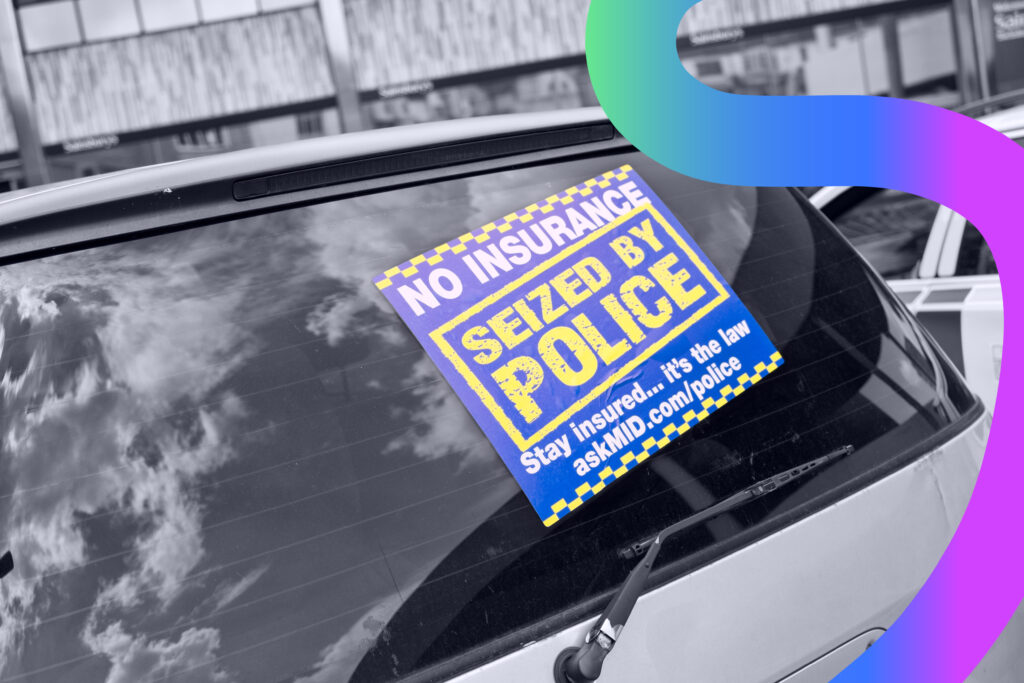
The Essential for Getting Your Car Back: You Need Specialist Impound Insurance
This is where most drivers get stuck. You might assume you can just buy a standard one-day policy or use your annual insurance to pick up the car. But to release a seized vehicle, the law requires you to present a valid certificate of motor insurance that meets two specific criteria:
- It must be valid for at least 30 days.
- It must explicitly cover the release of an impounded vehicle.
Most standard annual policies – and standard temporary insurance policies – specifically exclude impounded vehicles in their fine print. If you turn up at the pound with a standard policy that doesn’t cover seizure release, you will be turned away, which is why you must have impound release insurance in place.
Why Do You Need 30 days of Insurance to Retrieve Your Vehicle?
It can be frustrating to discover you can only get impound insurance for 30 days, but it is the law. Whilst it might only take 30 minutes to get your car or van out of the compound, you must have a 30-day impound policy in order to get your car released.
It’s a legal requirement to ensure the vehicle doesn’t immediately become uninsured again once it leaves the pound. You can’t buy a policy for just 24 hours to release an impounded car; they are for 30 days only.
At GoShorty, our specialist impound release insurance options are designed specifically for this. We provide the necessary 30-day certificate quickly, so you can satisfy the legal requirements and get your car out as soon as possible.
It also then gives you plenty of time to sort out a permanent policy if your car was seized for being uninsured, or your insurance has been invalidated due to the impoundment.
What Do I Need to Take a Car Out of Impound?
Once you have your insurance sorted, you need to gather your paperwork. Police pounds are incredibly strict; if you forget one document, you’ll likely leave empty-handed.
Here is your checklist for what you need if your car gets impounded by police:
- The Seizure Notice: This is usually Form 3708 given at the roadside or sent by post.
- Proof of Identity: A valid photo ID, such as your passport or driving licence.
- Valid Driving Licence: If you don’t have a valid licence, you cannot drive the car away yourself.
- Proof of Ownership: The full V5C logbook in your name. If you’ve just bought the car and don’t have the logbook yet, you’ll need the new keeper slip (V5C/2) and a verifiable bill of sale.
- Valid Insurance Certificate: As mentioned above, this must be a hard copy or electronic copy (check with the specific pound) of your specialist impound policy. We email all your certificates directly to you, immediately.
- Valid MOT: If your car’s MOT has expired, you can’t drive it on the road. You’ll need to prove you have a pre-booked MOT appointment to drive it straight to, or arrange for a recovery truck to collect it.
- Proof of Tax: You may need to tax the vehicle at the pound or pay a surety fee if you can’t tax it immediately (e.g., if it has no MOT). If you are unsure of your status, it’s worth checking your car tax online before you head to the station.
The Costs: How Much to Get a Car Out of Impound?
Speed is everything when it comes to getting your car released, because the costs increase every 24 hours it’s held in the compound. The fees are set by government regulations and generally include:
- Removal Fee: This usually starts around £192, though it can be much higher for vehicles that are larger, have trailers, are damaged, not upright, or off-road.
- Daily Storage Fee: This is typically £26 per day for cars.
- Disposal Fee: If you choose not to collect the car (or fail to collect it in time), you may still be liable for a disposal fee.
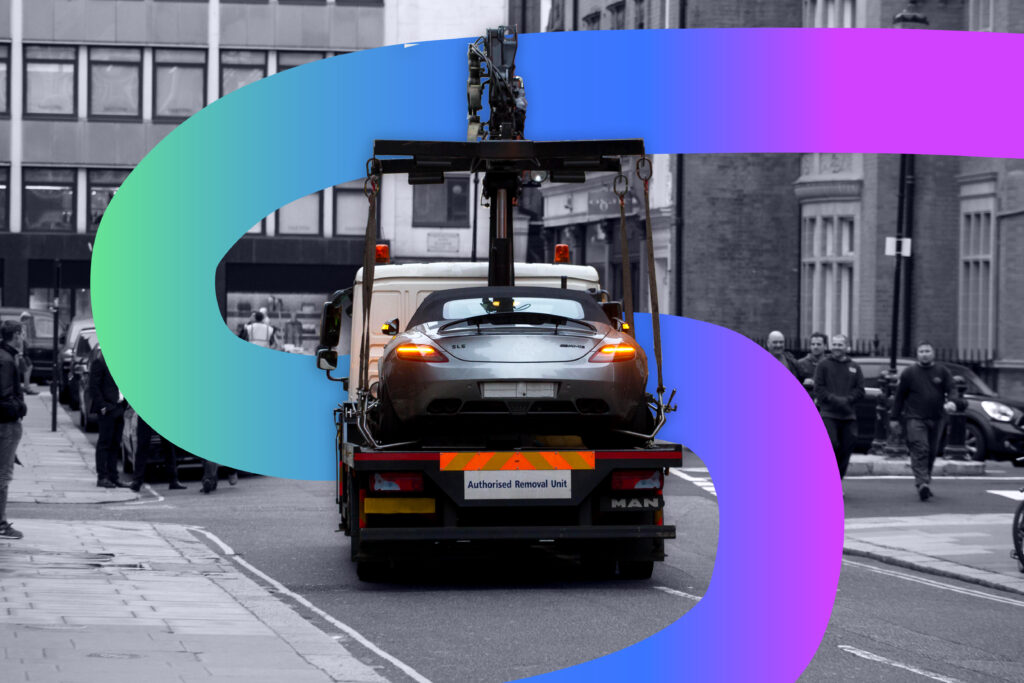
Why Urgency is Key
You typically have seven working days to produce your documents and reclaim your vehicle. After 14 days, the police have the right to dispose of the vehicle, which usually means crushing it or selling it at auction. Check your seizure notice or with the police authority that seized your vehicle to find out how long you have, as timeframes can vary.
Don’t let the paperwork overwhelm you. The quickest way to get insurance that satisfies the police requirements is to purchase a dedicated impound policy online. It takes minutes to arrange, meaning you can head to the pound the same day and stop those daily storage fees from spiralling.
You can get a quote for car or van impound release insurance with us in under two minutes, 24 hours a day, 365 days a year – making getting your vehicle back that little bit easier.
Are Impounds Open on Weekends?
This varies by force. Some pounds are open 24/7 or have Saturday hours, but many operate Monday to Friday. Remember, storage charges apply for every day the car is there, including weekends, even if the pound is closed and you can’t collect it. Which is why acting quickly is so important.
What If It Wasn’t the Police Who Seized Your Car?
While police seizures are common, they aren’t the only reason your vehicle might be taken off the road. If your car has been clamped or towed by the DVLA, your local council, or bailiffs, the process for getting it back is slightly different, but the need for impound insurance remains.
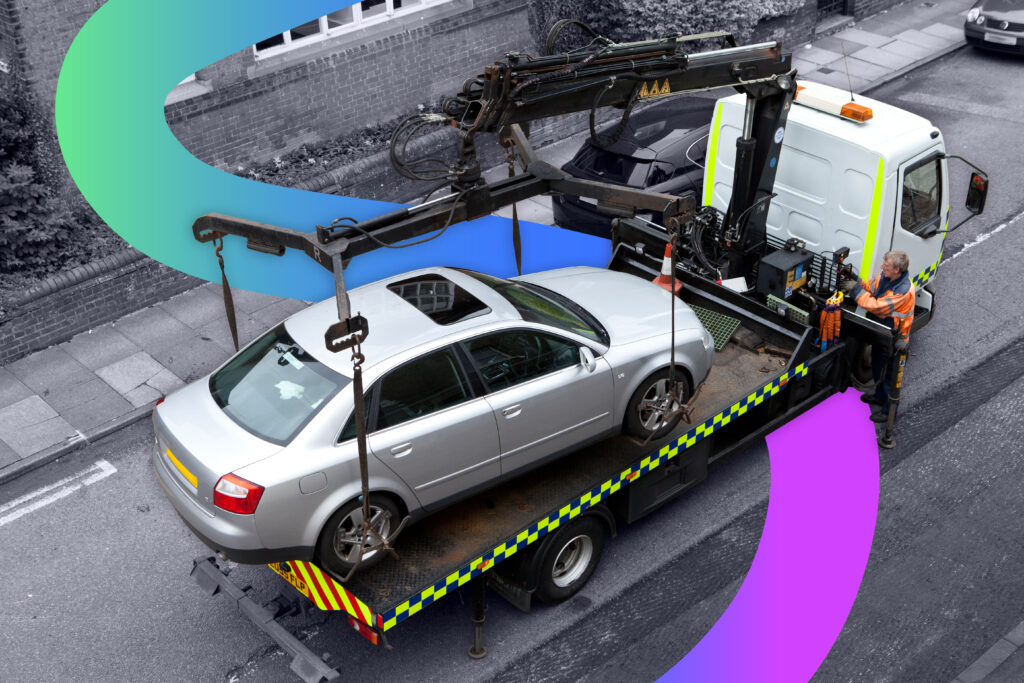
Recovering Your Car from the DVLA
If the DVLA clamped or towed your car because it was untaxed, the rules are a bit different. To get your vehicle back, you generally need to:
- Pay the release fee
- Pay the surety fee: If you haven’t taxed the car yet, you’ll also need to pay a surety (deposit) of £160 for a car.
Remember, you’ll need insurance to tax the car, to avoid it being seized again.
Recovering Your Vehicle from the Council
If your local council towed your car for abandonment or unpaid fines, you’ll typically need to:
- Prove you own the car (bring your V5C logbook).
- Pay all outstanding Penalty Charge Notices (PCNs) in full.
- Pay the removal fee and any daily storage charges that have accrued.
Recovering Your Car from Bailiffs
If bailiffs have seized your car to cover a debt, the situation is more serious. To get the car back, you will generally need to pay the debt in full, plus the bailiff’s fees.
In some cases, you may be able to negotiate a Controlled Goods Agreement, which allows you to keep the car while you pay off the debt in instalments, but this must be agreed upon quickly before the car is sold.
Need to get your vehicle out of an impound lot? Don’t risk being turned away at the counter. Get a quote for impound release insurance in minutes and get your vehicle back on the road, without racking up a hefty bill.
Similar articles you might like
-
How to Get Your Vehicle Out of an Impound
Finding out your car has been seized is a nightmare. Whatever the reason for impoundment, whether it was down to
-
Impound Causes: Why Would a Car Be Impounded?
Seeing your parking spot empty where you left your car is a stomach-dropping moment. Has it been stolen? Or has
-

Can I Drive a New Car Home Without Insurance?
The short answer? No, you cannot drive a car home without insurance or tax, even if you’ve just bought it.