
When is the Best Time for Your Driving Test?
11 February 2026 |
 Phil Evans
Planning your driving test isn’t just about convenience – the timing could make a real difference to your chances of passing. We’ve crunched the DVSA data from 2024 to 2025 to uncover the best and worst months for passing your practical car test.
Below, we explain how seasonal trends might affect your test day, and what you can do to be fully prepared. This includes navigating the major DVSA test booking rule changes in 2026 and making sure you’re covered with the right learner driver insurance.
Driving Test Pass Rates: What the Data Tells Us
Looking at the official DVSA figures from January 2024 to December 2025, some interesting patterns have emerged so far.
- Pass rates have increased year-on-year in every month from January to December. Will we see even more increases in 2026?
- August 2025 has had the highest monthly pass rate so far at 50.7%, compared to 49.2% in 2024.
- February and March 2024 had the lowest overall pass rates, at 46.8% and 46.9%, respectively.
- The highest monthly average across both years was in August (50%) closely followed by December (49.8%)
These figures are promising, suggesting that learners are heading into their tests better prepared. Whether it’s improved instruction or more private practice, the trend is moving in the right direction.
Whilst seasonal factors can affect monthly pass rates, it’s important to remember that how prepared you are for your test is the most important factor. The government’s Ready to Pass campaign advises that to be well prepared for your test, you should have undertaken at least 45 hours of lessons with an instructor and 22 hours of practice sessions with a supervisor.
Whilst pass rates have been lower over the past few years, it’s reassuring to see them improve consistently across 2025 – a clear indication that more and more are going into their tests ready, rather than rushing. Hopefully, this means waiting times will start improving as well…em improve from 2025 – a clear indication that more and more are going into their tests ready, rather than rushing. Hopefully, this means waiting times will start improving as well…
The Best (and Worst) Months for Your Driving Test
There will always be a range of individual and environmental factors affecting the probability that you’ll pass your driving test. Anything from a lack of sleep to bad weather or even other drivers behaving badly can throw you off on test day. Knowing you’ve booked your driving test for a month where a high number of learners pass can provide peace of mind – especially if you’re a nervous driver! If you’re looking to book your test strategically, we’ve broken down the data.
Best Months to Take Your Test (2024 – 2025 Averages):
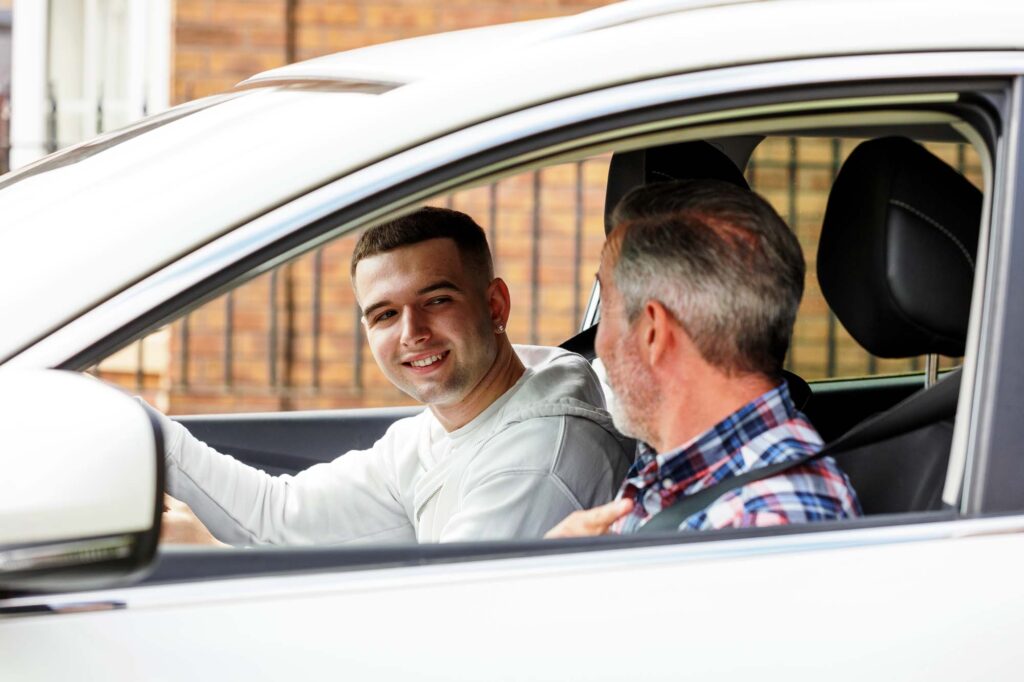
Summer and milder months are usually associated with higher pass rates, but data shows some surprising winter success, too. Roads tend to be quieter during peak school holiday times, and better visibility always makes life easier behind the wheel. Based on average pass rate data for 2024 and 2025, here are the top months for pass rates:
- August – 50% pass rate.
- December – 49.8% pass rate.
- July – 49.6% pass rate.
- April – 49.3% pass rate.
- September – 49.2% pass rate.
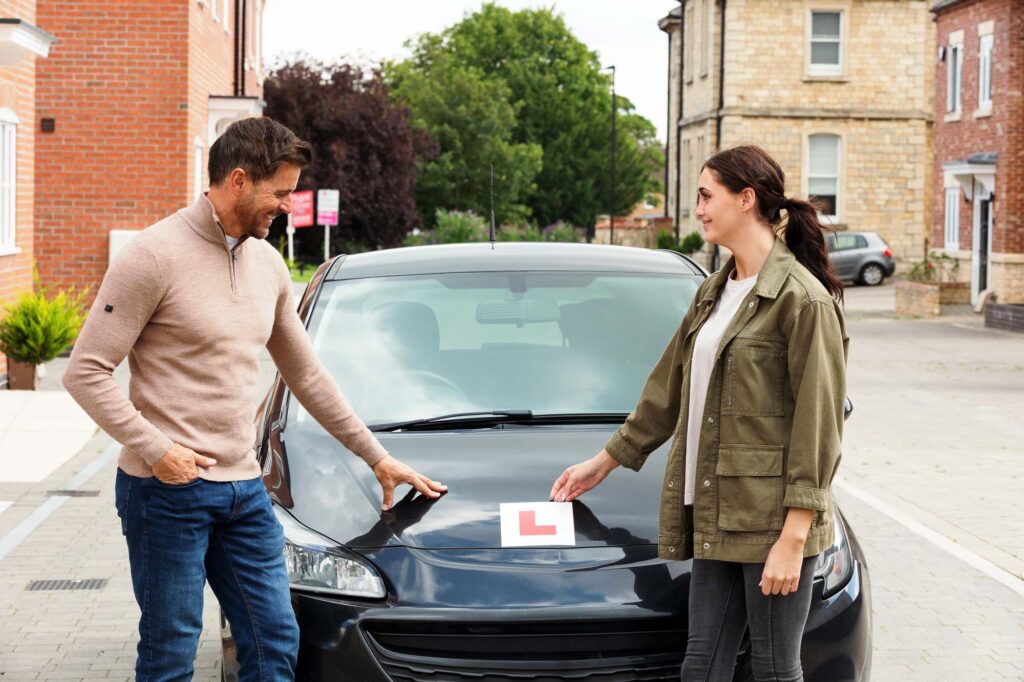
It’s particularly interesting to see December performing so strongly, sitting in second place. Despite the darker nights, busy roads and potentially icy conditions, learners are clearly proving they can handle winter driving. This just shows that if you’re well-practised in all conditions and confident behind the wheel, even a test in the midst of winter shouldn’t hold you back.
Worst Months to Take Your Test (2024-2025 Averages):
The small percentage difference between the best and worst months may not be huge, but if you’re looking for months to avoid, these may be them. Lower average pass rates are typically seen over the first three months of the year and in November.
- February – 47.8% pass rate.
- March – 48% pass rate.
- January – 48.1% pass rate.
- November – 48.9% pass rate.
This isn’t particularly surprising when you think just how dark it is, how bad the weather can be, and how moods can be lower. This means driving conditions are worse, and nerves can be a lot higher – not a great combination.
Don’t fret if you’ve already got a test booked for early 2026; the pass rates from 2025 already show a better story than 2024. If you’re well prepared for your test, winter weather and January blues won’t stand in the way of a pass. January 2025 pass rates were 1.7% higher than 2024, February was 2%, and March was 2.1% higher.
Why Does Timing Matter?
Your driving ability is the biggest influence on your result on test day – but seasonal conditions can clearly make a difference:
Winter tests often come with rain, ice, and poor visibility – all of which can increase pressure on new drivers. Given that there are significantly more driving accidents recorded over the winter months, it’s clear that winter driving conditions affect drivers of all experience levels – not just learners.
Spring and summer bring lighter evenings, better weather, and often quieter roads during school holidays, creating more opportunities for learners to practice their driving and easing test conditions.
This doesn’t mean that you can’t pass in winter, as December stats show, but if you’re particularly nervous or don’t feel confident driving in difficult weather, holding off until the summer months may give you a slight edge.

Major Changes To Driving Test Bookings In 2026
As a result of COVID, there was a massive backlog of driving tests, which has resulted in significant waiting times for tests still in 2026. There are many reasons for this, including people booking tests as soon as they can (even before they’re ready), a lack of driving examiners, and abuse of the test booking system…
The high demand created a problem with bots and resellers exploiting the booking system, taking advantage of learners by securing test slots en masse and reselling them at inflated prices.
To combat this, the way you book and manage your test is changing significantly. From 31 March 2026 and later in the spring, the DVSA is introducing strict new rules to make the system fairer and stop bots from hogging test slots.
The New Test Booking Rules:
- You must book it yourself: From later in Spring 2026, your driving instructor (or anyone else) won’t be able to book the test for you. You’ll need to do it yourself via the official GOV.UK service. As a result, it will also mean that only you can manage your test too.
- The two-change limit: This is the big one. From 31 March 2026, you can only make two changes to your booking. This includes changing the date, time, or test centre, or swapping your slot with another learner who also has a booked test.
- Local moves only: From spring 2026, you’ll only be able to move your test to centres near your original booking. This stops people from booking at a quiet, far-away centre just to secure a date and then trying to move it locally later.
- Instructor availability: When you book, you’ll be asked for your instructor’s reference number. The system will now allow your instructor to input their availability so it can automatically check if they’re free, helping to avoid any need for changes.
Because of the two-change limit, it’s vital that you only book when your instructor says you’re truly ready. If you use up your two changes and still aren’t ready, you’ll have to cancel the test and start the booking process from scratch.
These significant changes mean that, hopefully, getting hold of a test will be easier, as tests won’t be bought up to sell on. It also means you should only book your test when you know you’re ready, as you won’t be able to keep changing it, as you can now.
Booking and Planning Your Driving Test
Now you know the best and worst months for taking your test, it’s time to think about actually booking it. Getting a test can still be a long process due to high demand, but the changes in 2026 should hopefully see this ease up:
- Book early – popular dates, like during the summer holidays, get snapped up quickly. New tests are released at 6am, so it’s best to try then.
- Pick a time that suits you – many learners prefer morning slots when roads are quieter, others prefer to spend the morning practising before taking their test and opt for an afternoon slot.
- Factor in local conditions – check for school holidays, rush hours or roadworks in your area so you’re not surprised during your test.
Based on the data, summer and end-of-year months may give you the best shot at passing, especially August and December. Avoiding January to March may help you dodge tougher driving conditions and historically lower pass rates – but if you’re well prepared and ready for your test, the month you choose shouldn’t impact your outcome.
How to Prepare for Your Driving Test
Whenever you decide to book your driving test, proper preparation is key so you can get behind the wheel feeling as confident as possible. With average waiting times for a practical test still over 20 weeks, consistent practice is more vital than ever to ensure you don’t lose confidence or forget essential skills during the wait.
Outside of your lessons, you should get in as many practice sessions as possible. Temporary learner insurance is one of the best ways to insure learners. It means you can get covered whenever you can have a session and protect the car owner’s no-claims.
Need a Car for Your Test?
If you’re not using your instructor’s car, you’ll need to make sure the vehicle you bring is roadworthy, insured, and meets DVSA rules. We’ve covered everything you need to know in our guide to taking your driving test in your own car.
To legally drive yourself to your test centre (with a supervisor), and carry out your test, you’ll also need insurance. We offer driving test insurance that covers you for just the time you need – whether that’s an hour, a day, or a full weekend of prep.
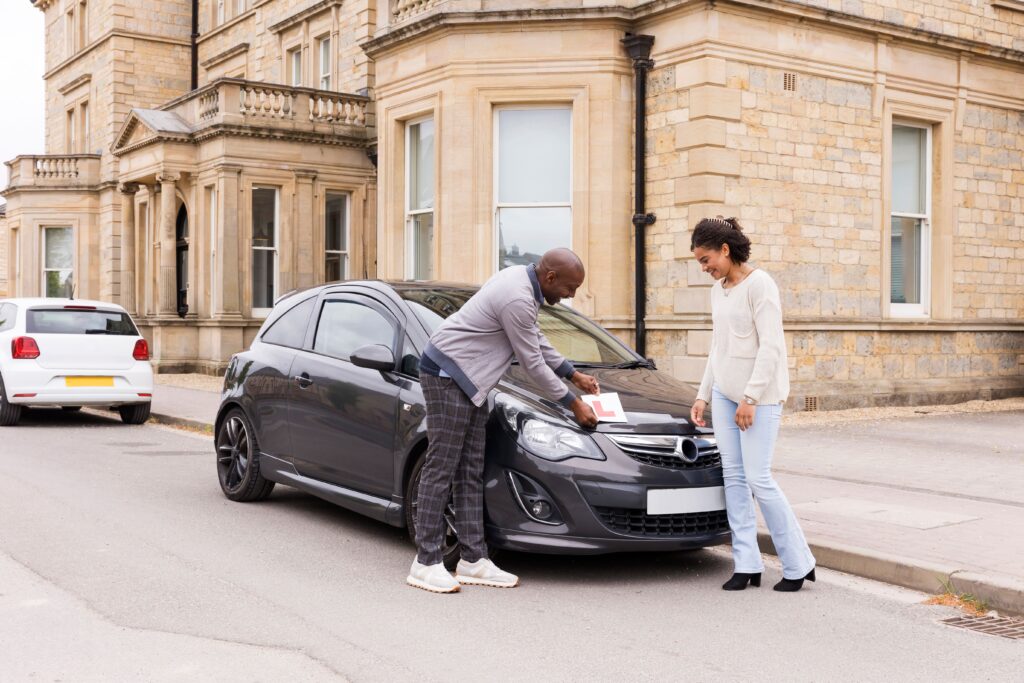
The most important thing is that you’re ready to take your test. Build your skills, practise regularly, and make sure you’re covered every time you get behind the wheel. Since the average waiting time is still over 20 weeks, temporary learner cover can act as your essential bridge, keeping your skills sharp without the expense of constant lessons. With the right support and insurance, you’ll be in the best position to pass – whichever month your test falls in. Get a Learner insurance quote today, or check out our temporary insurance app – get covered instantly whenever you’ve got time to practice.
Similar articles you might like
-
The Cheapest Way to Insure a Learner Driver
Getting your driving licence gives you an incredible sense of independence, but between professional driving lessons, test booking fees, and fuel, costs quickly mount. If you’re looking for the cheapest way to insure a learner driver, standalone learner driver insurance is usually the best bet. Rather than committing to a pricey annual contract or paying…
-
The UK’s Biggest Driving Hypocrites: Are We All Guilty of Bad Driving Habits Behind the Wheel?
Have you ever found yourself muttering at someone for cutting you up at a roundabout, only to squeeze into a tight gap yourself five minutes later? If so, you aren’t alone. Whether you’re driving your daily runaround, borrowing a car with temporary car insurance, or taking the wheel of a work vehicle with temporary van…
-
Is It Better to Learn Manual or Automatic?
Choosing between manual or automatic driving lessons is a really important decision to make when you’re deciding to learn to drive. When weighing up your manual vs automatic options, understanding UK driving licence rules will help you choose which one best fits your lifestyle. Whether you want the total flexibility of a manual licence or…