
How Long Does It Take to Learn to Drive?
1 September 2026 |
 Chris Evitt
If you’re getting behind the wheel for the first time, you’re probably wondering how long it takes to learn to drive. How many hours it takes to learn to drive depends on a whole range of personal factors, including how consistently you practice, whether you learn manual or automatic, and how confident you feel behind the wheel. In the official DVSA Ready to Pass? campaign, road safety experts emphasise that reaching test standard isn’t about hitting a magic number of hours – it’s about building complete driving independence.
Understanding how to streamline your journey can save you serious time and money. We know that combining regular professional tuition with supervised practice using temporary learner driver insurance is one of the fastest, most affordable ways to build your skills without spending a fortune on extra paid lessons.
When Can You Start Driving Lessons in the UK?
Before planning your driving schedule, you need to know when you can legally get started on public roads. In the UK, you can apply for your provisional driving licence when you’re 15 years and 9 months old. However, you can’t start taking lessons on public roads until you turn 17. The only exception is if you receive the enhanced rate of the mobility component of Personal Independence Payment (PIP), which allows you to start driving at 16.
Deciding when to start is an exciting step. If you’re still weighing up your commitments, it’s worth exploring whether you should learn to drive right now or wait until your schedule allows for consistent practice.
Whenever you decide to begin, you must make sure you satisfy three essential criteria before sitting in the driver’s seat:
- You hold a valid UK provisional licence.
- You’re supervised by a qualified driving instructor or an eligible learner driver supervisor.
- You have valid learner insurance covering you for the specific vehicle you’re driving.
Driving without valid cover is a major legal offence that can jeopardise your driving career before it even begins. Remember that learner drivers need insurance every single time they get in the driver’s seat, even if it’s just a 10-minute session practising bay parking in a parent’s car.
Average Hours Needed to Learn to Drive
When you’re figuring out how long it takes to pass your driving test, breaking down the hours helps keep your training on track. The DVSA used to recommend a benchmark of 45 professional lesson hours plus 22 private practice hours; however, they’ve moved away from a specific hour recommendation, as your personal timeline depends on your lesson frequency and structure.
Moving away from thinking you just need a specific number of hours of lessons and practice under your belt before taking your test helps encourage learners to check whether they are ready to pass before booking their driving test – rather than just booking when they hit the 45-hour mark.
How Long Are Driving Lessons?
Most driving instructors offer lessons in slots of 1 hour, 1.5 hours, or 2 hours:
- 1-hour lessons: These can feel rushed. A good chunk of time goes into setting up, recapping previous skills, and parking up at the end, leaving less time for actual road practice.
- 1.5-hour lessons: A solid middle ground that offers plenty of driving time without triggering fatigue.
- 2-hour lessons: Generally considered the most efficient format. A 2-hour session gives you enough time to venture onto new road layouts, practice complex manoeuvres, and build muscle memory without spending half the lesson re-warming up.
How Many Months Does It Take to Pass Your Driving Test?
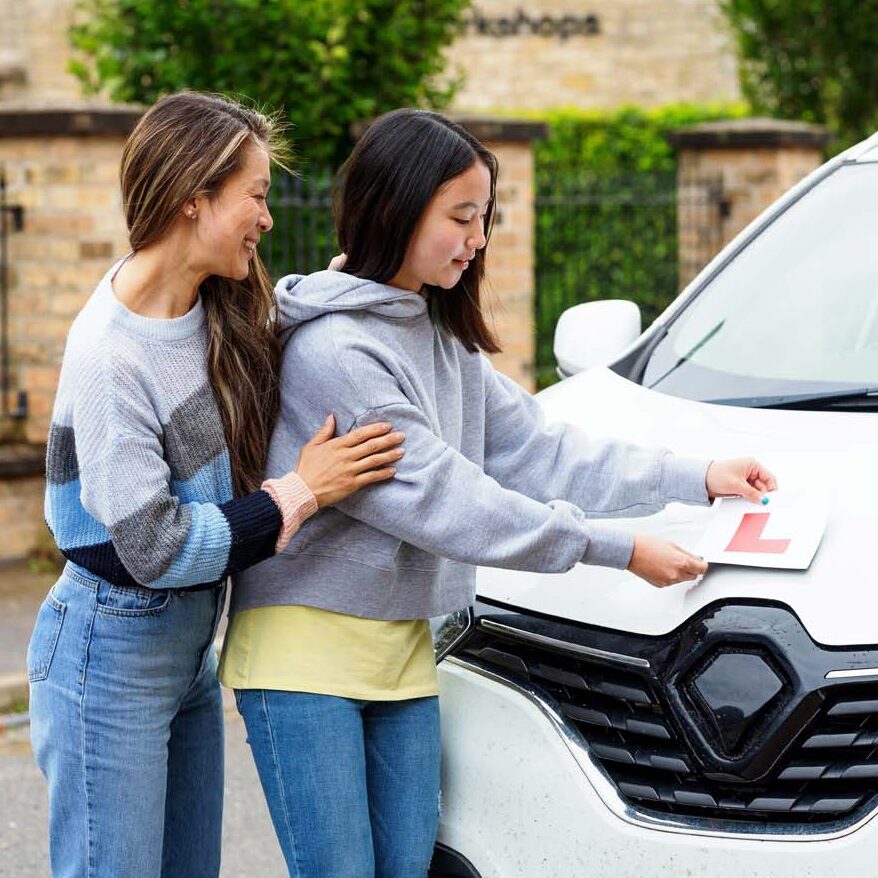
The overall timeline for getting your full licence depends on your schedule, budget, and access to private practice. Here’s how different learning paces could translate into months:
| Learning Approach | Weekly Lesson Hours | Typical Private Practice | Estimated Time to Test |
| Intensive Course | 15-30 hours per week | Minimal | 2 to 4 weeks |
| Fast Track Pace | 4 hours per week | 2-3 hours per week | 2 to 3 months |
| Standard Pace | 2 hours per week | 1-2 hours per week | 5 to 6 months |
| Relaxed Pace | 1 hour per week | None | 9 to 12 months |
This is just a potential timeframe, though – your abilities and confidence, plus wait times for tests and you passing your theory test first, will all come into play in determining how long it takes you to pass your test.
How Quickly Can You Safely Pass? (4 Weeks vs 3 Months)
If you’re wondering how fast you can learn to drive, intensive courses (often called crash courses) compress 30 to 40 hours of tuition into one to four weeks. However, learning to drive in four weeks requires you to have already passed your theory test, secured a practical test slot, and feel comfortable processing large amounts of information in short bursts.
For most people, aiming to pass in three months is a much more realistic and stress-free target. Taking three to four hours of professional lessons each week alongside regular private practice with a friend or family member gives your brain time to digest skills between sessions without feeling overwhelmed.
How Many Driving Lesson Hours Do You Really Need?
A common question among beginners is whether 20 hours of driving lessons is enough to pass. For a total beginner with no prior experience, 20 hours is rarely enough to build the habits and spatial awareness needed to navigate busy UK roads safely. Attempting a test too early often leads to a failure and extra waiting time for a retest.
But what about 40 hours of driving lessons? For the majority of learners, yes. Reaching 40 to 45 hours of professional instruction – especially when paired with private practice – strikes the perfect balance. It gives you enough road experience to master complex roundabouts, dual carriageways, and independent navigation with total confidence.
But remember, the number of hours could vary massively from person to person. Whilst 40 hours may be right for one person, you may take 100 hours of lessons to feel confident and be test-ready. Before booking your test, it’s important that you feel comfortable and confident behind the wheel, and that your instructor agrees you’re actually test-ready.
Manual vs Automatic: Which Option Is Faster?
Choosing between a manual and an automatic car can directly affect how long it takes to learn to drive.
How Long Does It Take to Learn Automatic?
On average, learners in automatic cars reach test readiness faster – typically taking 30 to 35 hours of professional tuition. Because there’s no clutch pedal or gear stick to manage, you can focus entirely on steering, road positioning, and hazard perception. This makes it easier to build confidence quickly, especially in heavy traffic or hilly areas.
How Long Does It Take to Learn Manual?
Learning manual usually takes around 40 to 50 hours of tuition. Mastering clutch control, finding the bite point, perfecting hill starts, and making smooth gear changes add an extra layer of coordination that takes time to become muscle memory.
If you’re unsure which route to take, check out our guide on whether you should learn automatic or manual to weigh up your options. Keep in mind that passing in a manual car grants you a licence for both types, whereas an automatic licence only permits you to drive automatic vehicles.
Key Factors That Decide How Fast You Progress
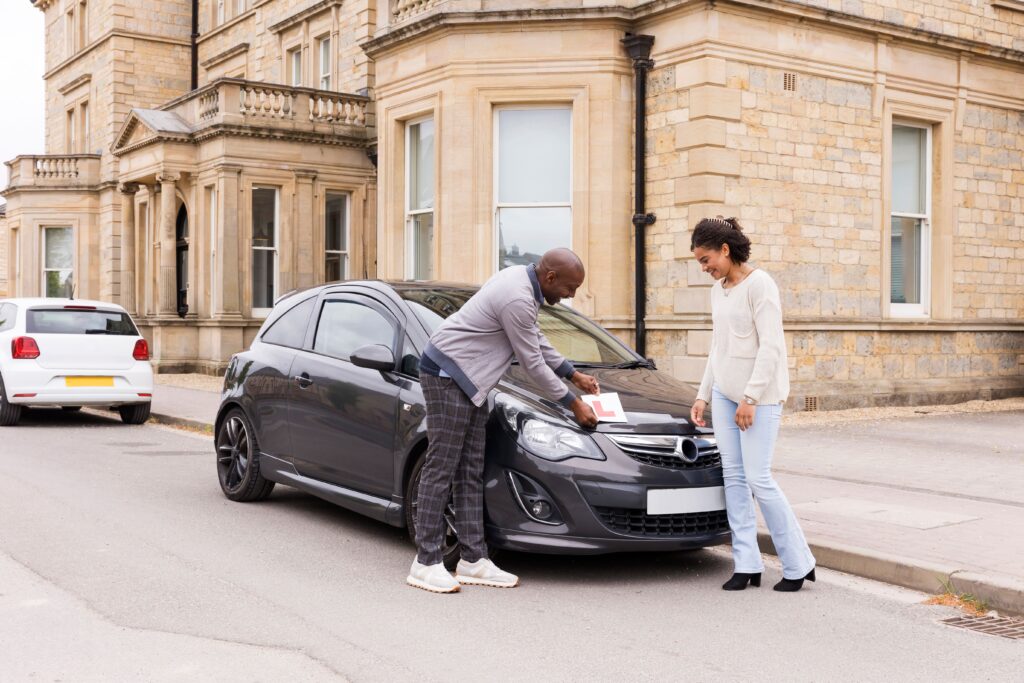
No two learners progress at the exact same speed. Several key factors will influence your personal timeline:
- Lesson Consistency: Taking regular weekly lessons keeps information fresh. Gaps of two or three weeks between sessions mean spending valuable time re-learning old skills.
- Private Practice: Supplementing your professional lessons with private practice is the single most effective way to lower your total required instructor hours.
- Theory Test Timing: You can’t book a practical driving test until you’ve passed your theory test. Passing your theory early prevents delays once your instructor says you’re test-ready.
- Instructor Fit and Teaching Style: Every learner responds differently to varied teaching methods. If you don’t feel comfortable with your instructor or struggle with their communication style, your progress can slow down significantly. Finding the right instructor who makes you feel relaxed is crucial.
- Learning Environment and Vehicle: Practising in a suitable vehicle makes a big difference. Choosing one of the best cars to learn to drive in – ideally something small, agile, and easy to check visibility in will boost your confidence during manoeuvres.
- Variety of Driving Conditions: Driving solely in quiet residential areas during sunny afternoons will leave you unprepared for real-world driving. Reaching test readiness faster requires exposing yourself to heavy traffic, night driving, rainy weather, and rural roads early in your learning process.
- Confidence and Nerves: Feeling relaxed behind the wheel helps you process hazards faster. Being nervous is completely normal, but taking things step by step helps prevent you from feeling overwhelmed.
How Test Centre Wait Times Impact Your Timeline
Even if you become fully test-ready in 40 hours, the actual calendar time it takes to get your full licence can be affected by practical test availability at your local test centre. Waiting lists for practical tests in the UK can sometimes span several weeks or months.
The biggest mistake learners make during a long wait for a test date is stopping all driving practice. Taking a multi-week break right before your test can cause your confidence and instincts to fade.
To keep your skills polished without spending a fortune on extra instructor hours while waiting for your test date, private practice is ideal. Using flexible temporary learner driver insurance allows you to go out for regular 30-minute drives with a parent or friend to stay test-ready.
What Happens If You Need a Re-test?
Failing a driving test can feel disappointing, but it’s extremely common. You must legally wait at least 10 working days before taking another practical test, but finding an available slot might take longer depending on test centre bookings.
If you don’t pass on your first attempt, you don’t need to start your lessons from scratch. Your examiner will hand you a driving test report detailing exactly where minor or major faults occurred.
Instead of paying for full weekly instructor lessons during the wait for a re-test, focus private practice sessions specifically on those identified fault areas – whether it’s parallel parking or junction observation. This targeted practice keeps costs down while rebuilding your confidence.
How Private Practice Can Help You Learn to Drive Quicker
Private practice with a family member or friend allows you to repeat the skills your instructor taught you without paying an hourly tuition rate. It builds muscle memory for everyday scenarios like parking at the local supermarket, driving at dusk, or navigating local roundabouts.
Never be tempted to take a car out for a quick spin on your own, though. Driving alone without a full licence isn’t worth the risk – you could face 6 penalty points and a fine before you’ve even passed. Staying legal is simple: just make sure you have an eligible supervisor by your side and proper temporary insurance in place.
To practice legally, you need proper insurance cover. Temporary learner cover is one of the best ways to insure a learner driver. You get comprehensive cover for the exact duration you need – from a single hour up to 24 weeks – without putting the car owner’s No Claims Bonus on the line.
Tips for Passing Your Driving Test
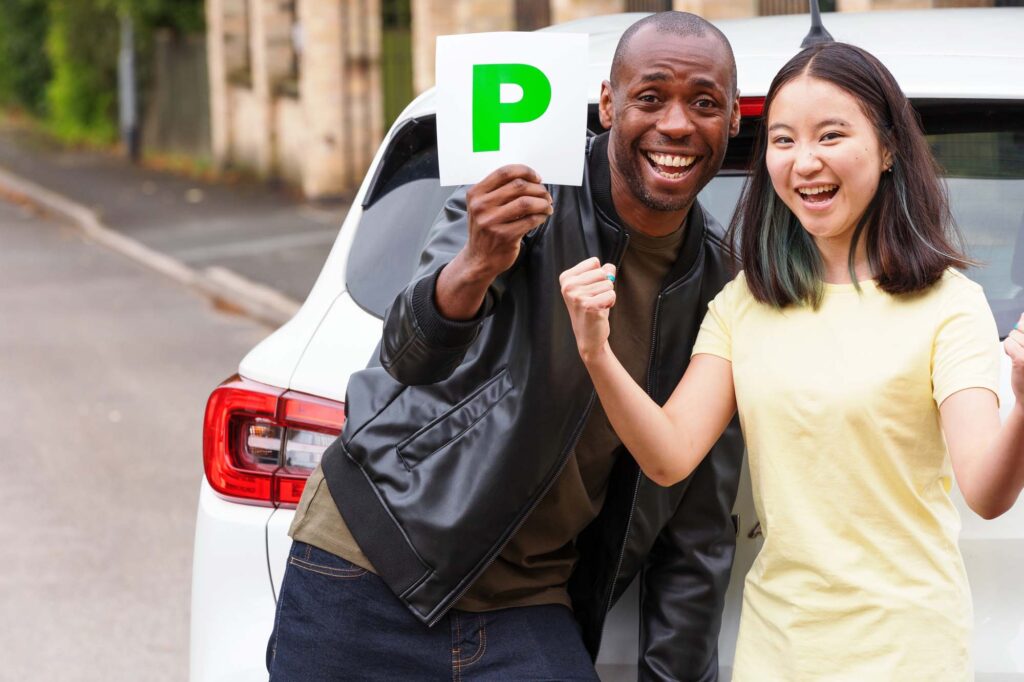
Once your instructor agrees you’re ready and you feel confident on the road, it’s time to face the practical driving test.
According to official DVSA Data, the national practical pass rate in Great Britain currently sits at 50%1. This means roughly half of all candidates pass on their first attempt.
To give yourself the best chance of passing first time:
- Take mock tests: Ask your instructor to run full mock tests under realistic examiner conditions so you know what to expect.
- Pick the right test time: Traffic conditions vary throughout the day. Read our guide on the best time for a driving test to pick a slot that suits your confidence level.
- Practice in your test vehicle: If you plan on taking the practical exam in a family car rather than your instructor’s car, make sure you have dedicated driving test insurance so you’re fully protected on the big day.
Ready to Learn to Drive?
So, how long does it take to learn to drive? Your personal timeline is in your hands. Consistent lessons, early theory prep, and regular private practice are the keys to passing efficiently and safely.
Ready to get those extra practice hours in? You can arrange flexible, short-term learner driver insurance in under two minutes. Get a learner insurance quote, download the GoShorty app, and take your test with confidence.
Similar articles you might like
-
What You Need to Know About Learner Insurance on Your Own Car
Buying a vehicle before passing your practical test is an exciting step towards getting your full driving licence.…
-
Learner Driver Rules You Need to Know
Learning to drive is one of the most exciting milestones you’ll ever cross. Getting behind the wheel gives…
-
How Long Does It Take to Learn to Drive?
If you’re getting behind the wheel for the first time, you’re probably wondering how long it takes to…