Tag Archive: temporary car insurance

  1. Moving to University Guide: Stress-Free Ways to Relocate

    Comments Off on Moving to University Guide: Stress-Free Ways to Relocate

    Fresh off the back of A-Level results day, a record 262,820 UK 18-year-olds have secured their university places, according to the latest UCAS results day statistics. That means hundreds of thousands of students will be packing up and heading off to uni this autumn.

    Moving away from home for university should feel like an exciting celebration, not an exhausting physical challenge. But between boxing up a bedroom, fitting everything into a boot, and navigating long motorway stints, it can quickly turn into a logistical headache for everyone involved.

    If you’re wondering how to move to university without breaking the bank or losing your sanity, we’ve got you covered. Whether you drive a small hatchback, need to figure out how to move to uni without a car, or want to borrow a larger vehicle to keep everyone comfortable on the drive, proper planning makes all the difference.

    Arranging flexible temporary car insurance or temporary van insurance takes the hassle out of moving day, letting you borrow a bigger vehicle for as long as you need. In this guide, we share essential moving-to-uni tips and packing strategies, and explain how short-term cover makes the journey easier for both students and parents.

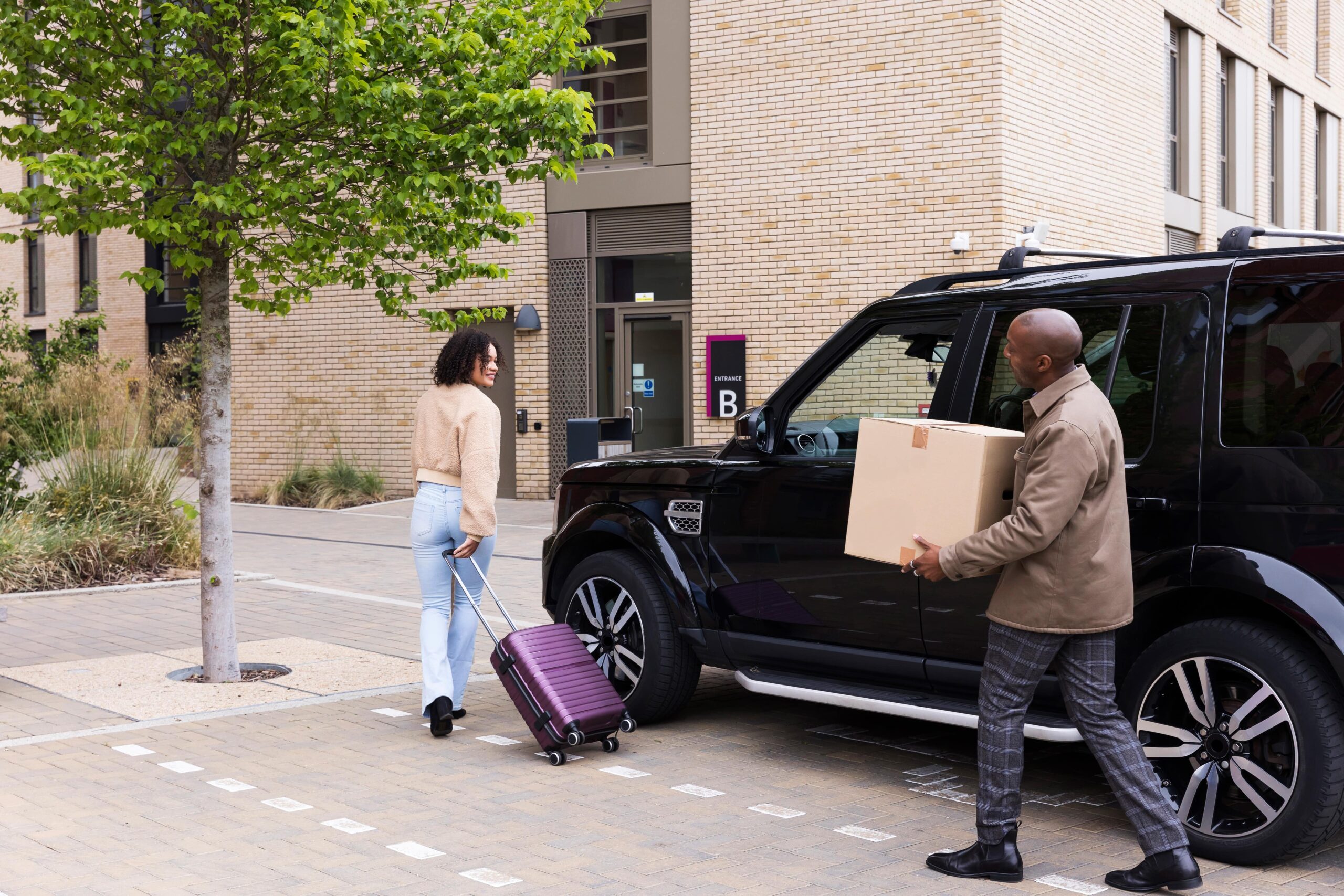
    two people walking, carrying luggage as they move house

    Why Moving to Uni Can Be Tricky

    According to HESA higher education student statistics, around 2.86 million students are currently enrolled at UK universities. That creates a massive nationwide migration every September, with thousands of families trying to unload boxes at student halls on the same weekend.

    Transporting bedding, winter coats, kitchen essentials, and tech across the country takes up a surprising amount of room. Even if your family owns a car, cramming a term’s worth of belongings into a small runaround leaves barely any room for passengers. When parents are spending two to four hours behind the wheel, sitting crammed against cardboard boxes with zero rear visibility isn’t just uncomfortable; it’s also a road safety violation and a common cause of driving fines.

    Hiring a commercial vehicle or relying on public transport brings its own hurdles. Rental agencies frequently attach steep young-driver surcharges for under-25s, while train operators enforce strict luggage limits. Finding a practical, budget-friendly way to transport your belongings is key to getting student life off to a great start.

    How to Transport Stuff to Uni Without Your Own Car

    If you don’t own a car or your current family vehicle is too small for a big move, you might be wondering how to transport stuff to uni without spending a fortune. Here are the main options most students and parents consider:

    Moving to Uni by Train

    Taking the train might seem like an easy, eco-friendly option, but moving to uni by train with multiple heavy suitcases and boxes can quickly turn into a nightmare. Most train operators limit passengers to three items of luggage free of charge, provided you can lift and carry everything yourself. Navigating staircases, ticket barriers, and packed train carriages with a duvet, frying pan, and four suitcases is rarely a pleasant experience for anyone.

    Hiring a University Moving Van

    Renting a commercial university moving van sounds like a sensible workaround, but traditional hire companies usually require drivers to be at least 21 (and often 25). They also routinely add expensive young-driver fees and hefty excess deposits, making it a costly choice for a relatively short journey.

    Borrowing a Bigger Car, SUV, or Van from Family or Friends

    For most families, borrowing a larger car, estate, SUV, or van from a relative, neighbour, or family friend is the easiest and most cost-effective solution. It gives you the load space you need for a single, relaxed trip without forcing parents and students to sit crammed up against boxes for hours on end.

    Why Borrowing a Larger Vehicle Makes Moving to Uni So Much Easier

    Even if your family has a reliable car, upgraded cabin space makes a massive difference on moving day. Loading up a larger estate, SUV, or van means parents can drive in comfort, passengers have legroom, and all your boxes sit safely below the window line. Plus, having family along for the journey turns a moving day into a cherished family memory rather than a chore.

    Setting up standalone temporary cover is far simpler and cheaper than modifying an annual insurance policy for a couple of days. Instead of trying to add someone to a policy on a long-term basis, you can arrange dedicated temporary cover for the exact duration of your trip.

    Here’s why short-term cover works so well when you’re moving away from home for uni:

    • Flexible duration: You can get covered for as little as one hour or up to a few days, so you only pay for the exact time needed for the trip.
    • Protects the owner’s policy: Our policies are completely standalone. If anything unexpected happens, the vehicle owner’s No Claims Discount remains untouched.
    • Quick setup: You can secure comprehensive cover online in under two minutes; it’s the quickest way to get insurance. You can sort it on your phone in a few taps using the GoShorty app.
    • Easy driver sharing: Long motorway journeys can be exhausting for parents doing all the driving. Taking out temporary cover allows a student and parent to share the driving safely and split the stint behind the wheel.

    Temporary cover makes it so easy to borrow someone else’s car for the move to uni. If you need maximum loading space for bulky desks, mattresses, or extra storage drawers, opting for temporary van insurance lets you shift everything in one swift, comfortable run.
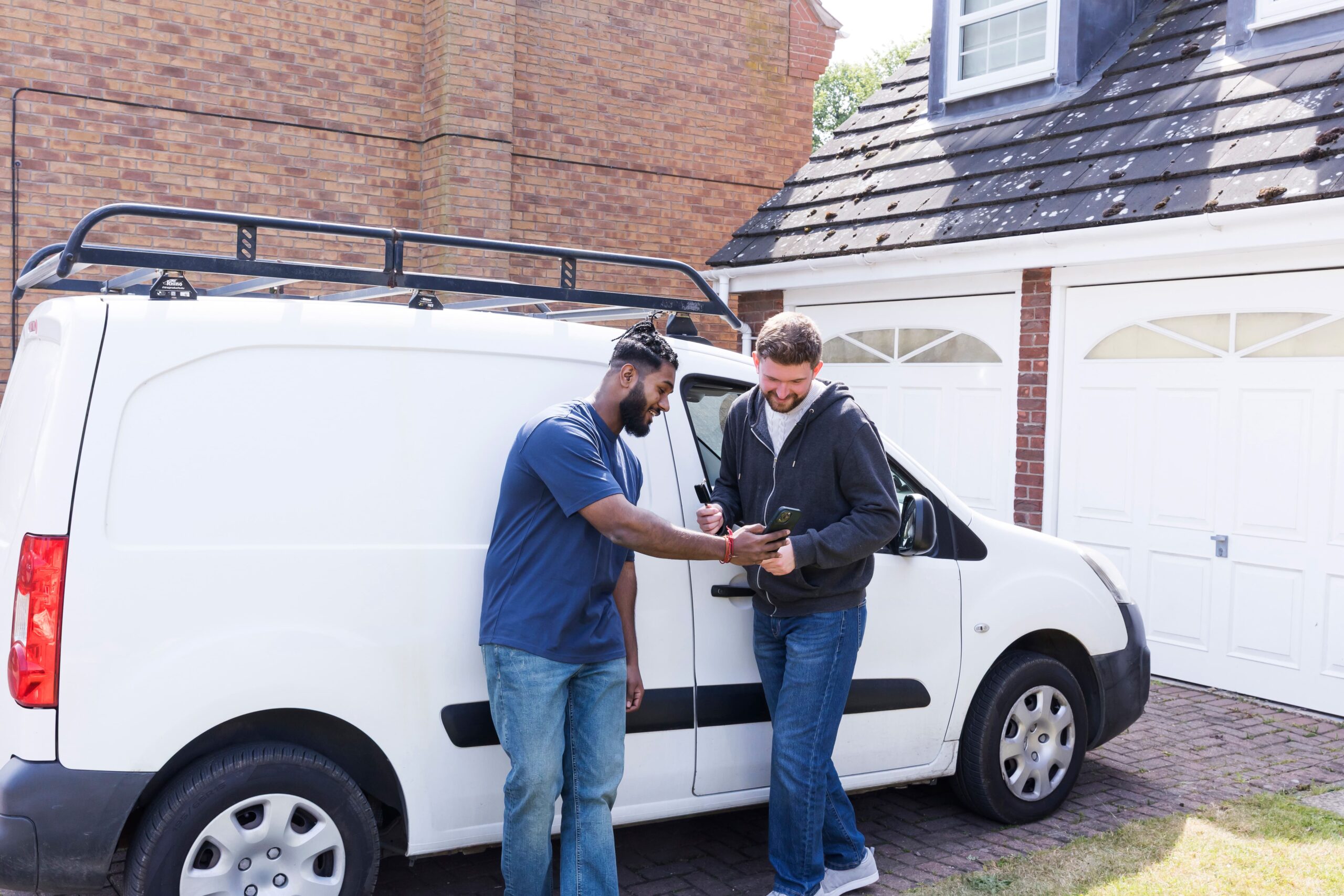
    Two people looking at a phone while standing next to a van

    Moving Beyond First Year: Halls vs Private Student Houses

    While first-year students usually move into furnished university halls with standard layouts, moving into private student accommodation in your second or third year presents a different challenge. Shifting between private student flats often involves transporting larger items such as desk chairs, bedside tables, floor lamps, or additional kitchen appliances.

    If you’re moving between private student houses locally or across town, borrowing a friend or family member’s estate car or small van for a few hours is often the most sensible choice. A single afternoon with a borrowed van avoids making dozens of tiring back-and-forth trips in a small hatchback.

    Temporary van cover is ideal for these shorter moves. You can insure a borrowed van by the hour, giving you plenty of time to clear your old flat, move into your new digs, and return the keys to your friend before dinner.

    How Do I Move Into Uni Step-by-Step?

    Moving to uni can be quite overwhelming; having a clear step-by-step game plan for arrival day will keep things running smoothly for you and your helpers:

    1. Confirm your unloading window: Most university halls assign staggered arrival times to prevent traffic jams around accommodation blocks. Stick to your slot to get direct access to the loading bays.
    2. Check parking rules: Unloading bays usually have strict 15 or 30 minute limits. Once you’ve unloaded your boxes, make sure the driver moves the vehicle to a long-stay campus or hall car park to avoid unexpected penalties, especially given recent UK-wide rises in parking fines.
    3. Plan post-drop-off transport: If you’re considering bringing a vehicle to uni, keep in mind the ongoing costs of owning a car in the city. Parking permits, congestion charges, and tight student residential zones mean many students prefer to be dropped off in a borrowed vehicle rather than keep a car full-time.
    4. Check local Clean Air Zones and toll charges: Many major university cities, such as Birmingham, Bristol, London, Manchester, and Newcastle, operate Low Emission Zones or Clean Air Zones (CAZs). Make sure the vehicle you’re driving meets local emissions standards or pay the daily charge online to avoid automatic camera fines on your journey.

    Essential Moving to University Checklist

    Staying organised while packing prevents last-minute panic in your bedroom on moving morning. Use this moving-to-uni checklist to keep your prep structured and stress-free.

    What Should I Pack for Moving to University?

    It’s easy to pack your entire bedroom, but space in student halls is limited. Focus on core daily essentials first:

    • Bedroom: Mattress protector, duvet, two pillows, two sets of bed linen (so you have a spare while washing), clothes hangers, and a foldable laundry basket.
    • Kitchen: Two plates, two bowls, mugs, cutlery sets, a small and medium saucepan, a frying pan, chopping board, and basic cooking utensils. You don’t need a huge 12-piece set, as you’ll often end up sharing kitchen items anyway.
    • Bathroom: Towels, toiletries, hand soap, shower gel, bath mat, and a small first-aid pouch with basic pain relief, plasters, and cold medicine.
    • Tech & Admin: Laptop, phone chargers, extension lead (a must-have for awkwardly placed hall sockets), ID/passport, university acceptance letters, course paperwork, and student finance details.
    • First-hour survival bag: Pack an easily accessible box or tote bag containing a kettle, mugs, tea bags, a pint of milk, toilet roll, snacks, hand sanitiser, and bin bags. You’ll thank yourself when you arrive, tired and in need of a quick tea break with your parents before unpacking begins.

    Practical Tips for a Smooth Moving-in Day Uni Experience

    On moving-in day, uni corridors, lifts, and stairwells get busy quickly. These practical tips will keep your stress levels low and help you settle in:

    • Pack using clear plastic boxes or vacuum bags: Vacuum storage bags save a massive amount of boot space when packing bulky coats, duvets, and towels. Clear plastic boxes let you see what’s inside without having to unpack every single lid looking for your chargers.
    • Label every box with your room details: Mark your name, block, floor, and room number on every side of your boxes. If family members or helpful new flatmates carry bags up for you, items will actually end up in the right room.
    • Bring a doorstop and a basic toolkit: A simple screwdriver and Allen key set come in handy for assembling flat-pack desks or adjusting shelves. A rubber doorstop keeps your room door propped open while unloading, making it much easier to carry boxes and say hello to new neighbours passing by in the corridor.
    • Wipe down surfaces before unpacking: Give desk tops, shelves, and mattress covers a quick wipe with disinfectant before laying out your clothes and bedding. Starting with a clean slate makes your new space feel instantly like home.
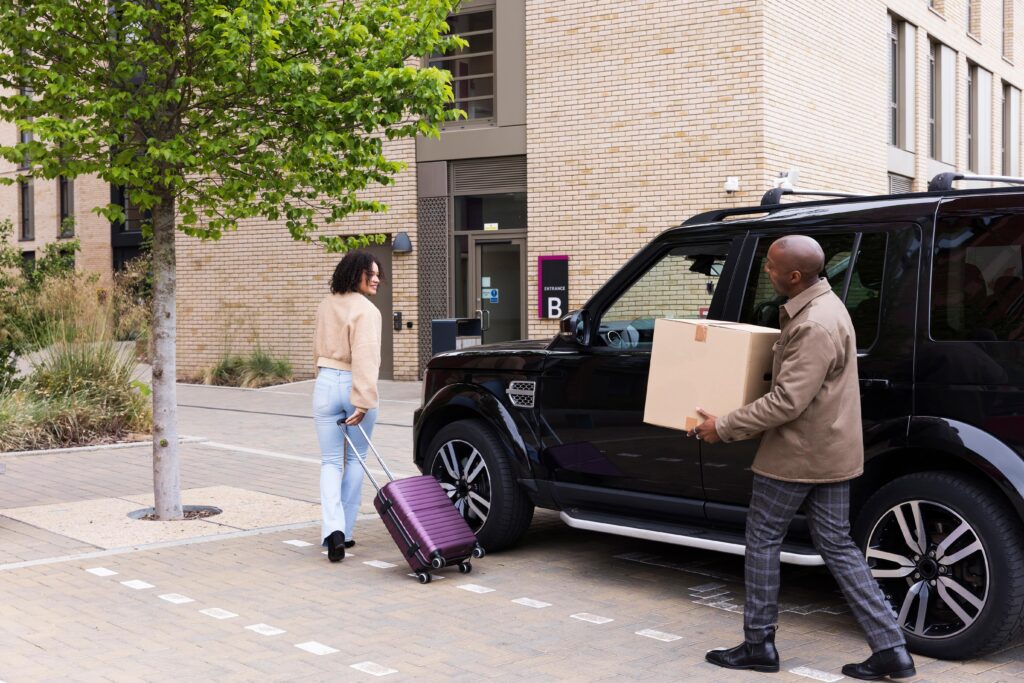
    Two people carrying luggage and boxes next to a car

    Make Your Uni Move Stress-Free with GoShorty

    Moving to university is the start of an exciting new adventure, and the travel side of moving day doesn’t need to be complicated or uncomfortable.

    By borrowing a larger car or van from someone you know, you and your family can all travel together comfortably, skip public transport struggles, and fit all your belongings into a single trip. With temporary cover from us, you can get insured in minutes so you can focus on settling in and enjoying student life.

    Similar articles you might like

  2. Temporary Electric Car Insurance Guide

    Comments Off on Temporary Electric Car Insurance Guide

    Electric cars are quickly becoming an everyday sight on the UK’s roads. Recent data from the Society of Motor Manufacturers and Traders (SMMT) shows battery EVs account for over 20% of all new car registrations. Whether you’re buying your first one or borrowing a friend’s car for a weekend trip, getting behind the wheel of an electric vehicle (EV) is an exciting move.

    An annual policy isn’t always practical when you only need cover for a few hours or days. That’s where temporary car insurance bridges the gap. It gives you standalone, short-term protection without risking anyone’s No Claims Discount or locking you into a long-term contract.

    If you need temporary electric car insurance to borrow a friend’s EV, arrange an extended test drive, or use an EV for occasional work trips, we can get you covered in under two minutes so you can hit the road with confidence.

    Are EVs Hard to Insure?

    It’s a myth that EVs are hard to insure. Standard electric cars aren’t tricky to cover at all, though underwriters do look at a few specific risk factors when pricing up electric vehicle insurance policies.

    Every car sold in the UK receives an insurance group rating from 1 to 50 from Thatcham Research. Lower group numbers mean lower standard insurance costs. Everyday mid-tier electric cars sit comfortably within middle-tier insurance groups, making them simple to cover.

    However, high-performance or luxury models carry high market values and fall into upper insurance groups. Insurance providers set limits on vehicle values and insurance groups to keep temporary policies affordable and accessible. Standard mid-tier EVs qualify easily, while top-end models may exceed standard temporary cover thresholds.

    A lady smiling while driving her car

    Why Is EV Insurance So Expensive Compared to Petrol or Diesel?

    When exploring electric vehicle insurance options, drivers often wonder why premiums for electric models have historically carried a higher price tag than traditional petrol or diesel cars.

    A report published by Thatcham Research for Innovate UK highlights that EV accident repairs cost significantly more than equivalent internal combustion engine (ICE) vehicles, with repair work taking roughly 14% longer on average.

    Several key factors affect electric car insurance costs:

    • High-voltage battery packs remain the single most expensive component in an EV, requiring diagnostic safety checks and specialist handling during repairs.
    • Specialist labour rates apply because repairing complex high-voltage architecture requires certified technicians.
    • Lower availability for specific high-tech components can lengthen repair turnarounds.

    The price gap between EV and traditional cover is steadily narrowing as repair networks expand and battery manufacturing scales up. Keep in mind that it’s not just the vehicle that affects the price of insurance – there might be other factors resulting in you getting a higher price.

    Getting Cover for Different EVs: Insurance Groups and Value Limits

    When looking into short-term protection, you’ll find that acceptance depends heavily on the vehicle’s assigned insurance group and current market value. Temporary insurers set clear criteria to keep policies affordable, which means electric vehicle insurance options vary across different makes and models.

    So, can you get short-term car insurance for a Tesla or high-end EV? It usually comes down to the exact spec and market value. Top-tier performance models like the Tesla Model S Plaid, Tesla Model X, or Porsche Taycan sit in insurance group 50 with high market valuations. Their rapid acceleration and high replacement costs mean these luxury models often exceed standard temporary underwriting limits.

    On the other hand, mainstream electric cars comfortably meet short-term eligibility rules. Popular everyday models including the Nissan Leaf, Renault Zoe, MG4 EV, Hyundai Kona Electric, and Kia Niro EV sit in lower-to-mid insurance groups with sensible market values. Even entry-level premium models like a standard Tesla Model 3 could qualify.

    Checking if you can get insurance for your EV takes seconds – you can verify eligibility and check live quotes using the GoShorty app.

    Two people looking at their insurance policy on an ipad

    Practical Uses for Short-Term EV Cover

    Temporary cover provides comprehensive protection from one hour up to 28 days. It offers a practical alternative when purchasing or updating a main annual policy is unnecessary or inconvenient.

    Sharing a Friend’s Electric Vehicle

    Borrowing an EV for a quick errand run brings up valid questions about policy boundaries. Our guide explaining when someone else can drive your car outlines how standard policies operate. While some annual policies include driving other cars (DOC) provisions, these usually offer third-party protection only – leaving valuable electric vehicles exposed to financial risk.

    Taking out a temporary policy provides standalone comprehensive cover. In the event of an incident, the owner’s main policy and No Claims Discount remain untouched.

    Swapping Drivers on Long Trips

    Road trips demand concentration, and sharing the driving helps keep everyone safe and rested. Setting up a temporary policy for a guest driver takes minutes and avoids mid-term adjustment fees on your main policy.

    It also resolves any confusion over whether two people can insure the same car or if you can legally insure your own car twice. Standalone temporary cover sits cleanly alongside existing policies without conflict or duplication. Once active, your policy details update directly to Navigate (the UK motor insurance database).

    Collecting a Second-Hand EV

    Purchasing a pre-owned electric vehicle from a private seller or forecourt requires valid insurance before driving away. Short-term cover acts as an immediate drive-away solution, allowing plenty of time to arrange your permanent policy details at home.

    Avoiding Clean Air Charges on City Commutes

    Driving into city centres like London, Birmingham, or Bristol can get expensive if your daily runner doesn’t meet low emission standards. Electric vehicles bypass Clean Air Zones and Congestion Charges entirely, saving you serious cash on entry fees.

    If you occasionally need to travel into a clean air zone, borrowing an EV from a friend or family member for the day is a clever workaround. Taking out a quick temporary policy gives you full protection while you drive, keeping your city trip hassle-free and fee-free. If you regularly travel into urban areas, check out our practical commuting tips and our advice on managing the cost of owning a car in the city.

    A man stepping out of his car on the phone

    EV Insurance Coverage for Business Use and Delivery Work

    Electric cars make tons of sense for work driving. With zero fuel costs per mile, regenerative braking that handles stop-start city traffic smoothly, and whisper-quiet motors that make long shifts easier, it’s no surprise so many people use EVs for business.

    However, personal and commercial driving are treated differently by insurers. Getting the right EV insurance coverage for business use means matching your policy to what you’re actually using the vehicle for. Understanding the difference between personal vs business insurance for EV driving ensures you stay properly protected every time you turn the key.

    Sporadic Business Trips

    If you occasionally use your personal EV to visit a client, drive between branch offices, or travel to an off-site training day, standard social, domestic, and pleasure policies won’t cover you.

    Knowing exactly when you need business car insurance stops you from getting caught out. Instead of paying to upgrade your main annual policy for occasional work trips permanently, our temporary electric vehicle insurance comes with business class 1 use as standard.

    Courier and Delivery Driving

    EVs have become the go-to choice for parcel delivery and takeaway drops because running costs are so low and city emission charges don’t apply. But using an electric car to drop off goods requires specialised Hire and Reward protection, which standard personal or business policies don’t cover.

    If you’re picking up flexible shifts, getting tailored car courier insurance gives you complete peace of mind. Taking time to figure out the best way to get insured for delivery work ensures you can earn on your own terms without risking gaps in cover.

    Taxi and Private Hire Services

    Driving an EV for taxi work or rideshare apps gives passengers a smooth, quiet ride while keeping your daily fuel overheads down to almost nothing. Because carrying passengers for payment falls outside regular domestic or business insurance, specialised taxi cover is essential.

    If you only need cover for flexible periods or short-term private hire shifts, setting up temporary taxi insurance keeps everything simple and hassle-free.

    Why Choose GoShorty for Temporary EV Cover?

    Finding the best EV car insurance option should be straightforward. We deliver fast, transparent, and flexible temporary policies tailored to you.

    • Fast setup online or via our app in under two minutes.
    • Flexible cover windows ranging from one hour to 28 days.
    • Comprehensive protection included as standard.

    Get Temporary Electric Vehicle Insurance and Be On Your Way

    Borrowing an electric car, sharing driving duties on a trip, or adding temporary business cover to your EV is simple with short-term insurance. We keep you moving safely and legally without annual policy hassles.

    Get covered in under two minutes and enjoy flexible, hassle-free EV insurance today.

    Similar articles you might like

  3. Can a Vehicle Have More Than One Insurance Policy?

    Comments Off on Can a Vehicle Have More Than One Insurance Policy?

    Can you have two insurance policies on one car for yourself? It’s a question many drivers ask when trying to figure out the best way to handle short-term trips and business uses. The quick answer is yes – you can have more than one car insurance policy on a single vehicle.

    Legally, a vehicle can be insured twice in the UK. However, while it’s possible to have multiple policies active at the same time, the way you set them up matters.

    If you’re looking to secure extra cover, understanding how the system works can save you from unnecessary costs and paperwork. Let’s look at how to handle multiple policies safely, why you might need them, and how temporary cover can simplify the process when you need to take out a specialist policy alongside your existing cover.

    Can You Insure Your Own Car Twice?

    If you’re wondering whether you can have two insurance policies on your car, the answer depends on how you arrange them. It’s perfectly legal to have two separate policies, but running two active annual policies on the same vehicle as an individual is rarely a good idea.

    (If you’re actually looking to find out if two people can insure the same car under separate policies, read our full dedicated guide on that topic. But if you want to know about holding multiple policies on a vehicle yourself, the rules are slightly different.)

    Sometimes, people end up with two long-term policies completely by accident – usually because an old policy auto-renewed before they had a chance to cancel it.

    While it’s not illegal to have this double cover, it’s unnecessary and trying to claim for the same incident from two different providers is illegal. UK insurers share details through central databases, so trying to double-claim will be flagged as insurance fraud.

    But if you need extra cover for a specific, short-term reason, having two policies is incredibly common and safe. The key is using temporary car insurance, which is designed to sit alongside a main annual policy without causing any conflict.

    A lady smiling while driving her car

    Is Dual Insurance Illegal in the UK?

    No, having dual insurance isn’t illegal in the UK. You’re allowed to have multiple insurance policies on one car or run separate cover on different vehicles.

    The legal issue only arises if you try to make a profit from it. If you have an accident and try to claim the full repair costs from both insurers, you’re committing insurance fraud. This is a serious offence that can lead to cancelled policies, prosecution, and a black mark on database records.

    What Happens If You Have Dual Insurance?

    If you end up with two active annual policies covering the exact same risks on your vehicle, it’s usually more of a financial and administrative headache than a benefit. When two standard, long-term policies overlap, they create true dual insurance complications. If you ever need to make a claim, here’s what happens under standard terms:

    • Only One Actual Payout is Allowed: In UK insurance law, you can only claim once to recover your actual losses. If your car has £1,000 of damage, you’ll only receive £1,000 in total. Trying to claim £1,000 from both companies to double your money is illegal.
    • The Contribution Clause and Delayed Repairs: Most standard annual policies contain a contribution clause. If you have two active policies covering the exact same driver and risk or usage, e.g. SDP and make a claim, the insurer you contact is legally entitled to ask the second insurer to split the cost. The two companies then have to negotiate who pays what share, which can drag out the process and leave you without your car for months.
    • Your Duty of Disclosure: When making a claim, you have a strict legal duty to tell your insurer if another policy covers the vehicle. Trying to hide a second annual policy to avoid claim complications is a breach of your contract. This can lead to both policies being declared void and your name being flagged on the central Claims and Underwriting Exchange (CUE) database.
    • Double NCD Damage: Because both standard insurers will end up contributing to the claim behind the scenes, a single incident can damage your No Claims Discount (NCD) on both annual policies simultaneously. Both companies will record the claim, which is a double blow that will significantly push up your future premiums.
    • The Escape Clause Trap: Some annual policies include a term known as an escape clause or a non-contribution clause. This states that if you have another policy covering the car, their cover is entirely void. If you end up with two policies that both have escape clauses, it creates a massive legal deadlock. While UK courts usually rule that these clauses cancel each other out and force both to contribute, untangling this mess could freeze your claim for months.

    How Temporary Insurance Works Alongside Your Annual Policy

    If you take out a temporary insurance policy on your car you already have an annual policy on for a specific reason – embarking on a temporary business trip, or doing temporary delivery work – you don’t need to worry about any of these dual insurance headaches.

    Because temporary insurance is a standalone, short-term policy, it’s designed to cover a specific risk or use that your main annual policy doesn’t handle. It’s fully recognised as a legitimate, separate agreement. Here’s how temporary cover keeps you safe without triggering complex legal clauses:

    • No Contribution or Escape Clause Conflicts: When you use a temporary policy for business or courier use, it acts as the primary policy for that specific trip. Since the temporary cover is underwriting a completely separate risk (for instance, business miles that your annual policy explicitly excludes), there’s no overlap in what’s being insured. The insurers don’t need to split the costs or trigger contribution clauses, because only one policy is active and valid for that specific activity.
    • Your Annual No Claims Discount is Safe: If you have an accident while driving under a temporary policy, you claim directly through the temporary insurer. Because the policy is completely independent, your main annual insurer isn’t involved in the claim, and your hard-earned NCD remains untouched. This means you don’t have to worry about double NCD damage or premium hikes on your main car. You will still need to make them aware of an accident or claim that has happened when you renew.
    • Seamless, Comprehensive Top-Up Cover: This setup acts as a helpful top-up cover. It keeps you insured on the road when your main policy doesn’t stretch to cover your current plans, without creating any legal or administrative conflicts.
    A man looking out of his car window while driving

    Scenarios Where You Might End up with Cover Overlap

    Aside from choosing to buy a second policy, there are several common situations where you might accidentally end up with more than one policy on your car due to a cover overlap.

    These overlaps usually happen during transition periods and are easy to slip into if you aren’t keeping a close eye on your dates:

    Switching Providers with Overlapping Dates

    When you shop around for a better deal, you might set up your new policy to start a day or two before your old one officially expires. People often do this “just in case” to avoid any risk of being uninsured, but it means you’re technically running two policies at once for forty-eight hours.

    Forgotten Auto-Renewals

    It’s incredibly easy to forget that your current annual policy is set to auto-renew. If you buy a brand-new policy from a different insurer but forget to cancel the old one, both will collect payments and run simultaneously, leaving you with an unwanted cover overlap.

    Drive-Away Cover Overlaps

    To get a new car home from a dealership, you’ll likely take out drive-away insurance for a few days. If the new policy you end up buying starts before your drive-away cover runs out, you’ll end up with two active policies on the car for those first few days.

    Getting a Refund for Accidental Annual Duplicates

    If you find you’ve ended up with two annual policies by mistake, don’t worry. You normally have a statutory 14-day cooling-off period from the start date of any new policy to cancel it and get a refund (though the insurer will usually deduct a charge for any days you were covered).

    If you discover the duplicate after 14 days, you can still cancel the extra policy, but you’ll likely have to pay an administration or cancellation fee. Keep in mind that if you’ve already made a claim during the overlap period, the insurer won’t offer a refund at all.

    Can You Have More Than One Car Insurance Policy Yourself?

    If you want to intentionally set up multiple car insurance policies on a car yourself, you should only do so using temporary cover. Because short-term insurance is completely separate from annual cover, it acts as a standalone policy.

    This means you can drive with absolute peace of mind, knowing that if anything happens, your main annual policy (and your NCD) remain completely untouched.

    Here are the reasons why you might need to hold a second policy on a car yourself:

    A lady looking out of the window while driving her car

    Driving Home a Newly Purchased Vehicle

    When you buy a new car, there’s often a short gap between picking it up and setting up your permanent annual contract. Using short-term cover allows you to drive your new purchase home safely.

    Knowing what drive-away insurance is helps you bridge this transition period perfectly, ensuring you’re never caught on the road uninsured or risking being punished for driving without insurance with hefty fines, penalty points on your licence, or vehicle seizure.

    If you’re heading straight out, you might also want to know how long it takes for insurance to show on Navigate. It’s a good idea to keep your temporary certificate handy just in case, as updates can take a couple of days to show on the central Motor Insurers’ Bureau (MIB) database.

    Temporary Business Trips

    If you occasionally need to use your personal car for business trips or client visits, your standard policy might not cover it. Instead of rewriting your entire annual agreement for a one-off trip, you can take out a standalone temporary policy specifically for those business miles. It’s the easiest way to get sorted when you need business car insurance for a short project.

    Short-Term Delivery Work

    Taking on seasonal courier or food delivery shifts is a great way to earn extra cash, but you legally need Hire and Reward cover to do this. Most standard annual insurers won’t cover delivery driving, or they’ll charge massive fees to add it.

    Taking out a separate, temporary policy specifically for your working hours is often the best way to get insured for delivery work without affecting your main personal policy.

    Managing a Second or Project Car

    If you own more than one vehicle yourself, you don’t always need full-time, active annual policies on all of them. For instance, if you have a summer convertible, a classic project car, or a weekend track-day car that sits in a secure garage for most of the year, paying for two permanent annual policies is a massive financial drain.

    Instead, you can keep your main daily driver covered annually, declare the second vehicle as SORN with the DVLA SORN service, and simply use temporary cover whenever you need to take it out (as long as it’s taxed/un-SORN and has a valid MOT). This allows you to pay only for the exact hours or days you’re using it – whether that’s taking the SORN vehicle to an MOT, bringing it to a local car meet, or enjoying a rare sunny weekend drive.

    Can You Be a Main Driver on Two Cars?

    If you own more than one vehicle, you might be wondering if you can be a main driver on two cars. The answer is yes – you can have multiple car insurance policies if you own different vehicles.

    In fact, the law states that any car kept on public roads must be insured at all times, unless you have officially declared it off the road with a SORN. So, if you own two active cars, both need their own cover.

    While multi-car annual policies are common for this, temporary cover is still the quickest way to get insurance if you’re briefly borrowing an extra vehicle or bringing a second car out of storage for a short trip.

    Managing Multiple Insurance Policies on One Car the Smart Way

    Ultimately, you can have two separate car insurance policies, and you can hold multiple insurance policies on one car – but it’s always best to do so using a combination of annual and temporary cover.

    While running two annual policies is a waste of money and causes claim delays, temporary insurance is designed to sit safely in the background. If you’re borrowing a vehicle, getting sorted for temporary delivery work, or driving home a new purchase, short-term cover gives you complete flexibility.

    Ready to get on the road? Whether you need temporary car cover, temporary van insurance, or even temporary motorhome insurance, we can help. Get a quote in under two minutes and enjoy the drive.

    Similar articles you might like

  4. Top Tips For Watching World Cup Matches

    Comments Off on Top Tips For Watching World Cup Matches

    It’s time to optimistically declare that football is coming home once more, as the World Cup kicks off again on the 11th June. It’s finally here, and the excitement across the UK is already at fever pitch. Whether you’re planning to watch every single game or you’re just in it for the big fixtures, a summer of football is always one to remember.

    But with this tournament hosted across North America and spanning multiple time zones, UK fans face unique scheduling challenges. Late kick-offs, workday routines, and the inevitable scramble to get home after a late-night final whistle mean that a little bit of planning will go a long way.

    Fortunately, getting your plans sorted doesn’t have to be stressful. From smart lifestyle hacks to using temporary car insurance as your ultimate late-night travel saviour, here are our top tips to help you make the absolute most of the action.

    Plan for the Late Kick-Offs

    Because the matches are taking place across the USA, Canada, and Mexico, the broadcast schedule for UK viewers looks a little different. While we will see some early-evening matches, the bulk of the action is scheduled for late evening and into the night.

    Group stage matches are set to kick off from 5 pm all the way to 5 am UK time. This means preparing for a few late nights, especially if you want to catch the biggest games live. According to recent research from EE, over 80% of UK football fans say these late-night kick-offs will affect how they watch the games.

    To help you plan your calendar, here are the key England and Scotland group stage fixtures you won’t want to miss; luckily, there’s only one post-midnight kick-off:

    • Scotland vs Haiti – Sunday, June 14 at 2am BST
    • England vs Croatia – Wednesday, June 17 at 9pm BST
    • Scotland vs Morocco – Friday, June 19 at 11pm BST
    • England vs Ghana – Tuesday, June 23 at 9pm BST
    • Scotland vs Brazil – Wednesday, June 24 at 11pm BST
    • Panama vs England – Saturday, June 27 at 10pm BST

    If you can’t face a late night midweek, you won’t be alone. The same EE research shows that 76% of fans plan to actively avoid social media, mute group chats, and turn off notifications to prevent spoilers when they have to catch up on matches the morning after.

    Tips for Enjoying the Matches Despite the Late Kick-Offs

    With matches stretching past midnight, staying sharp enough to actually enjoy the game – and survive the workday after – takes a bit of strategy.

    • Master the power nap: A quick 20-minute sleep right after work can work wonders. It resets your focus and gives you the stamina to stay up for those 10pm and late-night kick-offs without feeling like a zombie.
    • Pace your pints and stay hydrated: If you’re watching matches late into the night, Drinkaware warns that alcohol combined with sleep deprivation can leave you feeling completely depleted the next day. Pacing yourself and drinking water alongside your drinks will save you from a heavy morning-after burnout.
    • Keep midnight snacks light: Heavy meals right before bed are a fast track to feeling sluggish and falling asleep mid-game. Stick to light, easy finger foods or air-fryer grazing snacks that keep your energy levels steady without making you drowsy.
    • Perfect the silent celebration setup: If you’re watching a 1 am match at home while others are asleep, avoid waking the whole household (or the neighbours) when a goal goes in. Keeping a set of wireless headphones handy can let you keep the commentary loud without any disturbances.
    • Adjust your morning routine: If you can, shift your focus to working from home to avoid getting up early for the commute. Pre-preparing your breakfast and outfit the night before can also buy you an extra 30 minutes of precious sleep.
    • Swerve the transport dread: Nothing ruins the buzz of a late-night victory faster than realising you have no way to get home. Sorting your travel plans before the pre-match pint is poured means you won’t be left stranded.

    Where to Watch: Pubs Versus the Sofa

    Deciding where to watch the big game is half the fun. This summer, UK fans are split between the electric atmosphere of the local pub and the comfort of their own living rooms.

    For those who love a crowd, the good news is that licensing rules are expected to be relaxed, allowing English pubs to stay open until 1 am for major matches. Another survey found that more than a quarter (26%) of UK adults plan to watch at least some games in a pub or bar, rising to 37% among Gen Z.

    However, stay-at-home viewing is set to be the most popular choice this year due to later-than-normal kickoff times. Research indicates that 54% of UK adults plan to watch the tournament from the comfort of their sofas, spending an average of £80 per person on food, drinks, and takeaway convenience to recreate the stadium experience at home.

    In fact, 21% are likely to spend more on takeaways during the World Cup. With more and more people ordering in for the matches, there’ll be a demand for delivery drivers. If you’re giving food delivery driving a go, our temporary courier insurance will keep you covered.

    Whether you’re heading to a mate’s house for a barbecue or meeting the crew at your local, making sure you have a plan to get there and back safely is essential, so you can enjoy the match without stress.

    Ditch the Taxi Queue and Nominate a Driver

    With late-night finishes, getting home from a pub or a friend’s house can quickly turn into a headache. Public transport is often limited late at night, and waiting for an Uber in the freezing cold alongside hundreds of other fans is never fun.

    During high-demand windows after major sporting events, ride-hailing apps rely heavily on dynamic pricing. Independent research published by The Guardian shows that these algorithms often drive up fares significantly for passengers when demand spikes, leaving you with a hefty bill just to get a few miles down the road.

    This is where temporary cover acts as an absolute saviour. Instead of paying surge rates or waiting hours for a taxi, a much smarter, cheaper, and more reliable option is to pool together with your mates and nominate a designated driver. If you need to borrow a mate’s or family member’s car for the evening, you can easily arrange designated driver insurance to make sure everyone gets home safely.

    It takes under two minutes to get sorted on the GoShorty app, giving you flexible cover that protects the vehicle owner’s no-claims bonus if anything goes wrong.

    Beat the Last-Minute Rush

    During the Euros, we noticed a major trend in how fans manage their insurance. On average, we saw a 10% increase in demand for temporary cover in the hour before kick-off.

    This tells us that a lot of fans only realise they need to make travel or driving arrangements right as the pre-match build-up begins. Whether the last-minute demand is because of changes to plans or not being able to get an Uber in time, we’re happy to be able to help fans across the UK get to wherever they’re planning to watch the game thanks to instant insurance options.

    Enjoy a Stress-Free Summer of Football

    With a historically long 39-day tournament ahead, this World Cup is set to bring some unforgettable moments. By planning your transport ahead of time, coordinating with your mates, and keeping temporary cover in your back pocket, you can avoid the post-match travel chaos and focus on what really matters – the game.

    Need to share the drive or borrow a car for the next match? Get a temporary car insurance quote in under two minutes and enjoy the summer of football with complete peace of mind.

    Similar articles you might like

  5. Drive Away Insurance: Everything You Need To Know

    Comments Off on Drive Away Insurance: Everything You Need To Know

    You’ve found the perfect car or van, signed the paperwork, and the keys are finally in your hand. But to be able to drive a new car home, there’s one vital thing you need to sort out: insurance.

    When you’re buying a vehicle, it’s easy to forget about the fact that you need cover straight away. In the UK, it’s illegal to drive without insurance, even if you’ve only just bought the car. That’s where drive away insurance comes in.

    What Is Drive Away Insurance?

    So, what does drive away insurance mean exactly? It’s a type of temporary car insurance, or short-term van insurance, designed for the first few hours or days after you purchase a vehicle.

    It acts as a quick, flexible bridge between buying your car or van and setting up a long-term annual policy, ensuring you’re covered from the moment the vehicle is yours.

    Instead of being forced to commit to a 12-month policy while standing in a cold dealership car park or on a stranger’s driveway, drive away cover provides the immediate protection you need to get your new wheels home safely. You can get covered for anything from an hour up to 28 days, making it the quickest way to get insurance when you’re buying a car.

    When Do You Need Drive Away Insurance?

    You need drive-away cover if you’ve just bought a new vehicle and don’t yet have insurance. You can’t rely on driving other car’s cover to be able to get behind the wheel, as the vehicle will technically be uninsured.

    Insurance is mandatory not just whenever you’re driving, even if it’s just a ten-minute trip home from the dealer, but at all times. Your vehicle always needs to be insured unless it’s officially declared SORN, so even if it’s just parked on the road outside your house, it still needs to be covered.

    According to the Motor Insurers’ Bureau (MIB), there are 300,000 uninsured cars on the road daily. If you’re caught, you could face a fixed penalty of £300 and 6 points on your licence. The police even have the power to impound and potentially destroy your brand-new purchase.

    While it’s exciting to get a new car, driving it without a valid policy isn’t worth the risk. Using temporary drive away insurance gives you the breathing room to get your car or van home and keep it insured whilst you shop around for the best annual deal at your own pace.

    Do You Get Drive Away Insurance With A New Car Or Van?

    Drive away insurance from dealers is often offered as part of the sale. Some larger franchised dealerships provide a few days of cover to help you get home, but this isn’t a universal rule. Even when they do, the admin process can be slow, and you might be pushed into taking out cover for longer than you actually need.

    Many independent dealers and van specialists don’t provide this service at all. If you can’t get drive away insurance from the dealer, you’ll need to arrange your own insurance before you set off.

    Buying Privately Or At Auction

    While people often associate drive away cover with dealerships, it’s actually one of the most helpful tools for private sales. If you’re buying a car from a neighbour or someone you found online, you’ll absolutely need to sort your own cover, as the seller’s policy won’t protect you once the keys have changed hands.

    Temporary insurance is also a brilliant solution for private test drives. Most standard policies won’t cover you to drive a car you don’t own. Taking out a policy for just an hour or two allows you to test the vehicle properly and legally before you part with your cash, protecting the seller’s No Claims Bonus and giving you peace of mind.

    How Long Does Drive Away Insurance Last?

    The beauty of buying your own drive away insurance is that the duration of your cover is entirely up to you. While 5-day drive-away insurance used to be the only option many people knew about, and the one often pushed by dealers, our temporary policies are much more flexible.

    With us, you can choose the exact amount of time you need for drive away cover, plus easily buy another policy to stay covered for even longer if you need it:

    • Hourly: If you’re going to be sorting annual cover as soon as you get home, a couple of hours might be perfect for you. Just make sure there are no gaps between your policies.
    • Daily or Weekly: A few days of cover, between one to two days, is our most popular choice for driveaway, but a week of cover can also be a good option. It gives you breathing room to find the best annual deal without rushing. Plus, by using temporary cover now, you can set your annual policy to start in a few days rather than immediately, which can often help you secure a lower insurance premium.

    Most drivers find that a policy lasting between 1 and 7 days provides the perfect window to get everything else in order.

    How Much Is Drive Away Insurance?

    When you’ve already paid out for a new vehicle, you don’t want a massive extra bill. The cost of drive away insurance depends on a few factors, such as your age, driving history, and the type of car or van you’ve bought.

    As a guide*, you could get drive-away cover from £16.40 for 3 hours, £22.57 for 1 day, or £34.35 for 4 days.

    Is Drive Away Insurance Worth It?

    The main benefit of drive away insurance is that it puts you firmly in the driving seat. Rather than relying on a dealership’s potentially slow admin or being forced into a long-term policy that isn’t right for you, temporary cover gives you the headspace to get things sorted properly.

    • Comprehensive Protection: You get comprehensive cover as standard, so your new wheels are well protected against mishaps on the way home.
    • Avoid Rushing: Finding the best annual insurance takes time. Drive away cover buys you a few days to compare quotes and avoid making expensive errors by rushing into a 12-month contract.
    • Instant MID Update: We update the MID four times a day. Our cover is designed to show up on the Motor Insurance Database (MID) quickly. This is vital for taxing your car at the point of sale (temporary insurance can be used to tax vehicles) and avoiding being pulled over by ANPR cameras.

    It’s all about making that first trip home as stress-free as possible while keeping you on the right side of the law and your new wheels well protected.

    Why Drive Away Insurance Is Great For Dealers

    Temporary cover isn’t just a win for buyers; it’s a lifesaver for dealers too. Since 2023, we’ve been partnering with hundreds of dealerships across the country to provide thousands of policies a year of essential drive-away insurance for their customers, helping get cars off the lot.

    Whether you’re selling small city cars or large transit vans, our service is an excellent solution that keeps the forecourt moving by allowing for:

    • Increased Conversions: On average, 60% of a car dealer’s clients purchase their vehicle after getting a quote from us. Our simple and quick quoting process and wide acceptance criteria ( an 83% acceptance rate), avoids any bumps along the purchasing road.
    • Same-Day Collections: Dealers can close sales faster when customers can get insured and taxed instantly. Our broad acceptance criteria and user-friendly system allow drivers to get covered in minutes.
    • Valuable Revenue Streams: Our partnerships enable dealerships to earn commissions when their clients use our insurance, creating a helpful extra revenue stream through referrals.
    • Test Drives & Courtesy Cars: Our dealer partners can also utilise our services for test drive insurance and courtesy car insurance, ensuring drivers are protected at every stage of their purchasing journey.

    The feedback from our car sales partners has been overwhelmingly positive, with thousands of policies issued to drivers taking home their new vehicles. If you’re in the automotive industry and interested in partnering with us to provide drive away cover, get in touch.

    Get Drive Away Insurance With GoShorty

    At GoShorty, we offer a streamlined way to get your new car or van insured in under two minutes. Get a drive away insurance quote today, online or on our app, and you can get your new vehicle covered in a matter of minutes.

    *Prices shown are based on the lowest sold prices over the period 10/24 to 03/25

    Similar articles you might like

  6. Driving Home from Uni: Benefits of Temporary Insurance for Students

    Comments Off on Driving Home from Uni: Benefits of Temporary Insurance for Students

    Done with deadlines? The last thing you want now is a stressful journey home. When you’ve got bags of washing, books, and Christmas presents to haul back, the train isn’t exactly appealing.

    Driving yourself – or sharing the drive with mates – is usually the quickest, easiest way to get back for the holidays. But if you don’t have your own set of wheels at uni, you’ll likely need to borrow a car to make the trip or get around once you’re home.

    That’s where temporary car insurance saves the day. It’s the flexible, no-nonsense way to get behind the wheel without the headache of changing annual policies. It’s one of the best insurance options for students without a car.

    Why It’s the Perfect Festive Solution

    Let’s be honest, the Christmas break is busy. You’ve got friends to see, family visits to make, and maybe even some festive shifts to work. Relying on your parents for lifts everywhere gets old fast, but getting added to their yearly insurance policy is often expensive and complicated.

    Temporary car insurance for students gives you the freedom to drive exactly when you need to. Whether it’s just for the drive home or for the full few weeks you’re back, you’re in control.

    It’s a popular choice for a reason. Public transport is always 10x worse this time of year due to luggage or the number of people travelling. Short-term cover gives you the ability to swerve the nightmare of a crammed train and get behind the wheel instead – flexibility when you need it most. These are just some of the benefits of using temporary insurance for your return home from uni:

    Stop Worrying About the No Claims Discount

    One of the biggest reasons parents hesitate to lend their car is the risk to their No Claims Discount (NCD). It’s taken them years to build up, and they don’t want to lose it if you have a bump. The good news? When you use a standalone temporary policy to drive their car, it’s completely separate. It acts as its own comprehensive policy.

    If you were unlucky enough to have an accident, the claim is made against your temporary policy, not the car owner’s. Their NCB stays safe, and their premium doesn’t go up next year. It’s a win-win: you get on the road, and they get peace of mind.

    Cover That Fits Your Plans

    Student life is unpredictable. You don’t need a rigid annual contract; you need cover that works around you. With GoShorty, you can get insured from as little as one hour up to 28 days. This is great for:

    The Drive Home: Uni might be hundreds of miles away. If you’re borrowing a car just to get you and your stuff home, you might only need cover for a single day. Or, if you’re road-tripping back with housemates, you can grab a few hours of cover to share the driving. It’s safer, cheaper, and much easier than messing around with long-term policies.

    While You’re Home: Once you’re back, you’ll probably want your freedom. Temporary cover is perfect for:

    • Seeing Mates: Catching up with friends who live across town or in the next village.
    • Helping Out: tackling the big Christmas food shop or running errands for the family.

    There’s no point paying for a full month if you’re only back for three weeks. You simply pay for the days you need.

    Why Being Added As A Named Driver Isn’t the Best Call

    You might think getting added as a “named driver” to a parent’s policy is the standard way to do it. But for short visits, it’s rarely the best option:

    1. It Costs More: Insurers often hike the annual premium significantly when adding a young driver, even for a short time.
    2. It’s a Faff: You often have to call up, wait on hold, and pay admin fees just to make the change.
    3. The Risk Remains: If you crash, the main policyholder still loses their bonus.

    With temporary car insurance for students, you dodge all of this. It’s instant, online, and keeps everyone’s records clean.

    Staying Safe On Your Drive Home From Uni?

    Driving in December isn’t just about Christmas tunes; it’s about wet roads, early sunsets, and icy mornings. If you’re driving a car you aren’t used to, you need to be extra careful.

    Make sure you’re up to speed with the winter driving risks to avoid any fines. With the right short-term insurance sorted, you can focus on driving safely and enjoying the break.

    Getting home for Christmas should be the easy part. Temporary car insurance gives you the independence you want without the hassle or cost of updating annual policies.

    Whether you’re sharing the drive or just need wheels to visit friends, we’ve got you covered. Grab a quote today and spend less time on admin and more time enjoying the holidays. Download our temporary insurance app to get covered even faster and make car sharing even easier, perfect for your next trip home.

    Similar articles you might like

    • Two people carrying luggage and boxes next to a car
      , ,

      Moving to University Guide: Stress-Free Ways to Relocate

      Fresh off the back of A-Level results day, a record 262,820 UK 18-year-olds have secured their university places, according to the latest UCAS results day statistics. That means hundreds of thousands of students will be packing up and heading off to uni this autumn. Moving away from home for university should feel like an exciting…

      Read more

    • A lady smiling while driving her car
      , ,

      Temporary Electric Car Insurance Guide

      Electric cars are quickly becoming an everyday sight on the UK’s roads. Recent data from the Society of Motor Manufacturers and Traders (SMMT) shows battery EVs account for over 20% of all new car registrations. Whether you’re buying your first one or borrowing a friend’s car for a weekend trip, getting behind the wheel of…

      Read more

    • A lady staring into the distance while driving her car
      , ,

      Tips for Making Your Commute to Work Easier

      Whether you love having some solo time to prepare for the day or you absolutely dread the morning rush, your daily commute to work can set the tone for your entire week. If you’ve been finding the journey a bit of a slog lately, you certainly aren’t alone. The good news is that with a…

      Read more

  7. Emergency Car Insurance Guide

    Comments Off on Emergency Car Insurance Guide

    Emergencies don’t wait – and neither should your insurance. Whether plans fall through, a family crisis hits, or someone else can’t drive, emergency car insurance helps you get behind the wheel quickly and legally. With our flexible temporary car insurance and temporary van insurance, you can get covered in minutes and be on the road without delay. This guide explains how emergency insurance works, when to use it, and how to get cover fast – including through the GoShorty app.

    What Is Emergency Car Insurance?

    Emergency car insurance isn’t a separate policy type – it’s simply short-term cover taken out urgently when plans change at the last minute, or you have an urgent driving need but are without insurance.

    You might need it when:

    • You need to drive someone else’s car in a medical emergency.
    • You’re asked to pick someone up urgently, and your car isn’t available.
    • You’re helping someone move or travel on short notice.
    • A driver is suddenly unfit to drive, and you need to take over.
    • A breakdown means you need to switch to another car.
    • You’re driving a new car home earlier than expected.

    In all these cases, you still need valid insurance before driving. Even a few minutes without cover could leave you at risk of serious penalties.

    Why You Can’t Drive Without Insurance – Even in an Emergency

    It’s a common misconception that emergencies allow for leeway on car insurance. But UK law is clear: you cannot drive without insurance, regardless of the situation.

    If you’re caught without insurance – even with the best of intentions – you could face:

    • A minimum £300 fine
    • 6 penalty points on your licence
    • Your car being seized
    • Possible court prosecution and unlimited fines

    That’s why short-term insurance is the safest legal solution when you need to get behind the wheel in an emergency. With us, you can get a quote and policy in under 90 seconds, with no hassle or delay – precisely what you need in a high-pressure situation.

    Get Emergency Insurance Instantly on The App

    When every second counts, the GoShorty app makes getting insurance instantly a breeze:

    • Scan your licence and reg using your phone
    • Auto-fill saved details for faster quotes
    • Select from vehicles you’ve insured before
    • Pay using Apple Pay, Google Pay, or a saved card
    • Download policy documents instantly
    • Start your cover in just a couple of taps

    Facing an emergency and need to get insured stat? Our app is the quickest way to sort your insurance and get going. If you don’t have access to the app, you can get a quote and be on your way in under two minutes online. Get a quote now, or download the app on the App Store or Google Play Store

    Why Not to Rely on “Driving Other Cars” Cover

    Some drivers think their own comprehensive policy means they can drive any car and that it will cover them in an emergency. But most Drive Other Cars (DOC) cover is limited:

    • It’s often not available to drivers under 25
    • It usually provides third-party cover only – no protection for the car you’re driving
    • Not all comprehensive policies include DOC cover at all

    If you rely on DOC and something goes wrong, you could be left uninsured and liable in an emergency. Temporary insurance is a far safer bet.

    Need to Drive in an Emergency? Here’s What to Do

    If an emergency arises and you’re not insured to drive the car available to you, don’t panic – but don’t drive yet either. It’s illegal to get behind the wheel without valid insurance, even in urgent situations.

    Here’s how to get covered quickly and safely with emergency insurance:

    1. Confirm who owns the car
      Make sure you’ve got the car owner’s permission to drive it. You’re insurance will be voided, and you will face a lot more issues if it’s reported stolen. 
    2. Take out temporary emergency insurance
      Use GoShorty to get short-term cover for the car – from just 1 hour up to 28 days. You can choose the exact time your policy starts and get covered instantly.
    3. Use the app for even faster cover
      If you’ve downloaded the GoShorty app, you can scan your licence and vehicle reg, auto-fill saved details, and pay with Apple Pay or Google Pay. It’s the quickest way to get on the road legally.
    4. Drive legally and with peace of mind
      You’re now fully insured with comprehensive cover. You can focus on the emergency at hand, knowing you’re protected and driving legally. 

    Get a Quote Now and Stay Covered in an Emergency

    If you need to drive urgently, don’t take the risk of driving without insurance. Our emergency car insurance gives you fast, legal cover exactly when you need it – with no long-term costs or complicated paperwork.

    Whether you’re helping a friend, collecting a car, or dealing with a last-minute emergency, you can get insured in minutes. Want to make it even faster next time? Download the GoShorty app and get cover in a few taps whenever you need it.

    Similar articles you might like

    • A lady smiling while driving her car
      , ,

      Temporary Electric Car Insurance Guide

      Electric cars are quickly becoming an everyday sight on the UK’s roads. Recent data from the Society of Motor Manufacturers and Traders (SMMT) shows battery EVs account for over 20% of all new car registrations. Whether you’re buying your first one or borrowing a friend’s car for a weekend trip, getting behind the wheel of…

      Read more

    • ,

      Can Two People Insure the Same Car?

      Car insurance is a legal requirement for every driver in the UK. You must have valid cover in place before you turn the key, or you could face a hefty fine and penalty points on your licence. But what happens when more than one person needs to drive the same vehicle? If you’re wondering if…

      Read more

    • A lady smiling while driving her car
      ,

      Can a Vehicle Have More Than One Insurance Policy?

      Can you have two insurance policies on one car for yourself? It’s a question many drivers ask when trying to figure out the best way to handle short-term trips and business uses. The quick answer is yes – you can have more than one car insurance policy on a single vehicle. Legally, a vehicle can…

      Read more

  8. askMID Explained: How to Check Your Insurance on the MID

    Leave a Comment

    To check if your car is insured on the MID, visit askMID.com, enter your vehicle registration, and follow the redirect to Navigate. If your insurer has submitted your details – we update the MID four times a day –  your cover will be visible. You don’t need to wait for your insurance to appear on the MID to be able to drive though. As soon as you have your insurance certificate and your policy has begun, you can get behind the wheel. 

    The Motor Insurance Database (MID) was the official record of insured vehicles in the UK, and askMID was the website where you could check your car’s insurance status against this database. However, as of April 2024, Navigate – run by The Motor Insurance Bureau (MIB) – is the new home of data on insured vehicles in the UK. You can still visit askMID, but you’ll be redirected to Navigate if you want to run a MID check.

    Since driving without insurance is illegal, the police frequently use the MID and Navigate to identify uninsured vehicles. If you’re planning to drive, even just for 5 minutes, you must always have valid cover in place. Our temporary car insurance offering can help ensure you’re always comprehensively covered, whether you’re between policies, borrowing a vehicle, or driving your new car home.

    What is askMID?

    askMID was the public-facing tool for checking the Motor Insurance Database (MID). This service is now managed by the Motor Insurance Bureau (MIB) and has been replaced by Navigate. AskMID (now Navigate) allows you to confirm whether your car is correctly listed as insured by running a quick check online.

    How Does askMID Work?

    When you purchase car insurance, your policy details are uploaded to the MID (now Navigate). Your insurer or broker (such as ourselves) is responsible for updating the database.

    At GoShorty, we pride ourselves on updating the MID more frequently than most:

    • We update the MID four times a day – at 5:30am, 9am, 2pm, and 6pm – every day of the year.
    • Your details should appear on the database within two hours of our updates, often sooner.
    • This means short-term and hourly policies are more likely to show on the MID in time, reducing the stress of last-minute checks.

    This means our customers benefit from one of the most reliable and frequent MID update schedules around. This gives you extra peace of mind if you’ve purchased short-term car insurance, since short-term policies are more time-sensitive and can otherwise risk falling through the cracks if your insurer doesn’t update the MID as regularly.

    Important: The MID does not update instantly. But once you’ve received your insurance documents, you are legally covered to drive. You don’t need to wait for the MID to show your policy.

    How to Check if Your Car is Insured on the MID

    Checking your car’s insurance status is free and easy. Despite the name change from askMID to Navigate, the process remains the same:

    1. Visit the askMID website, where you’ll be directed to Navigate to run a check.
    2. Enter your vehicle’s registration number.
    3. Confirm your insurance status.

    Key Things to Remember

    • If your policy doesn’t show up immediately, you’re still covered as long as your insurance has started and you have your certificate of insurance, which is proof you’re insured.
    • Short-term insurance may not appear straight away, but it’s still valid.
    • If your policy hasn’t appeared after a few days, check with your insurer to ensure the details were entered correctly, not providing the correct details could invalidate your policy

    You should only ever purchase insurance from an FCA-approved provider. Not doing so could leave you uninsured and at risk of ghost broking.

    Can You Check Someone Else’s Insurance on askMID?

    You can’t freely check another person’s insurance status. However, if you’ve been involved in an accident, you can use the askMID Other Vehicle Look Up Service (£10 per request) to confirm if another driver is insured.

    You’ll need to provide:

    • Your contact details and vehicle registration.
    • The third party’s registration number.
    • Details of the incident (date, time, location, etc.).

    Why Being on the MID Matters

    The Continuous Insurance Enforcement (CIE) law means all vehicles must be insured unless declared SORN. If your car isn’t listed on the MID, you may receive an Insurance Advisory Letter (IAL) from the DVLA, warning you to insure the vehicle or face penalties. The DVLA and MIB compare databases to find uninsured vehicles constantly, so even if your car isn’t being driven, uninsured cars can still be identified. If it’s not SORN it has to be insured, with at least third-party cover. 

    If your insurance is valid but hasn’t shown up yet, don’t panic – as long as you have your documents, you’re fine to drive. But remember, if your policy is taking over 48 hours to show up, check your details are correct and that you’ve bought from a legitimate provider. 

    We send your certificate of insurance and all your policy documentation straight to your inbox when you purchase a policy, so you don’t need to worry about not appearing on the MID straight away, as you’ll be able to prove you’re insured if ever stopped by the police.

    Consequences of Not Appearing on the MID

    If you’re not on the MID and are identified to be driving uninsured, you could face: 

    • A £300 fine (soon possibly increasing to £1,200)
    • 6 penalty points on your licence
    • Your car being clamped, impounded, or destroyed
    • Court prosecution, driving bans, or unlimited fines
    • Higher future insurance costs

    As part of MIB’s five-year plan to end uninsured driving in the UK, they are recommending harsher penalties for uninsured drivers, including increasing the fixed penalty from £300 to £1,200.

    Do the Police Use askMID?

    Yes. The police, DVLA, and ANPR cameras use data from askMID, MIB and Navigate to track uninsured vehicles. But if you’re stopped and your policy isn’t visible yet, your certificate of insurance is valid proof that you’re covered.

    Does Temporary Insurance Show on askMID?

    Yes, but short-term policies may not appear immediately due to their brief duration and the MID’s update cycle.

    At GoShorty, our four daily updates help ensure your temporary insurance is visible sooner than with providers who may only update the MID once a day (or less). Even if it hasn’t shown up yet, your cover is active as long as you have your certificate, which we send directly to you.

    How Long Does It Take for Insurance to Show on the MID?

    The MID usually takes 24–48 hours to show a new policy, depending on your insurer’s update schedule.

    At GoShorty, we update the MID four times a day, all year long. Unlike many insurers who update once daily or less, we minimise gaps in database records thanks to our frequent updates, which benefits our short-term insurance customers. Reminder: If you’ve purchased cover, you’re insured to drive; no need to wait for MID confirmation.

    Why Is My Car Not Showing on askMID?

    If your insurance isn’t appearing on askMID, don’t panic. Follow these steps:

    1. Confirm your policy has started – If it’s due to start tomorrow, it won’t show today. 
    2. Check your registration details – Incorrect information can stop your policy from appearing.
    3. Contact your insurer – They can verify your cover and correct any errors.

    If you have confirmation that your policy has started from a trusted provider or broker, like ourselves, then you’re fine to get on the road – you don’t need to wait for a MID update.

    Does askMID Update on Weekends?

    Yes, the MID updates every day, including weekends. However, individual insurers may only update on weekdays. We make updates seven days a week, every day of the year. 

    askMID, Navigate and MIB are essential tools for checking your insurance status, but once you’ve received your policy documents from us, you’re ready to drive.

    Whether you’re using temporary car insurance, van cover, learner driver cover or even impound insurance, we get you on the road quickly and legally. Ready to drive with confidence? Get a temporary insurance quote now – and leave the MID worries behind.

    Similar articles you might like

    • A lady smiling while driving her car
      , ,

      Temporary Electric Car Insurance Guide

      Electric cars are quickly becoming an everyday sight on the UK’s roads. Recent data from the Society of Motor Manufacturers and Traders (SMMT) shows battery EVs account for over 20% of all new car registrations. Whether you’re buying your first one or borrowing a friend’s car for a weekend trip, getting behind the wheel of…

      Read more

    • ,

      Can Two People Insure the Same Car?

      Car insurance is a legal requirement for every driver in the UK. You must have valid cover in place before you turn the key, or you could face a hefty fine and penalty points on your licence. But what happens when more than one person needs to drive the same vehicle? If you’re wondering if…

      Read more

    • A lady smiling while driving her car
      ,

      Can a Vehicle Have More Than One Insurance Policy?

      Can you have two insurance policies on one car for yourself? It’s a question many drivers ask when trying to figure out the best way to handle short-term trips and business uses. The quick answer is yes – you can have more than one car insurance policy on a single vehicle. Legally, a vehicle can…

      Read more

  9. The Best Car Insurance for Expats Returning to The UK

    Comments Off on The Best Car Insurance for Expats Returning to The UK

    Expats returning to the UK to visit friends and family often find themselves with a packed itinerary. From cross-country catch-ups to last-minute plans, getting around without your own transport can be tricky. Relying on lifts or public transport isn’t always convenient, and rental cars can be costly. That’s where expat car insurance comes in. It’s a type of temporary car insurance designed for UK citizens who currently live abroad but are back visiting the UK. It provides the flexibility you need to get behind the wheel during your visit. Whether you’re borrowing a friend’s car or using one you’ve left in the UK, here’s everything you need to know.

    What is Expat Car Insurance?

    Expats – people living outside their country of citizenship – often return home to see friends and family. If that’s the UK, you’ll need insurance to legally drive. Expat insurance (also known as temporary car insurance for non-UK residents) is tailored to help expats drive while visiting the UK without the hassle or high cost of traditional insurance or car rental.

    It’s a simple and affordable way to stay mobile while you’re back on home turf. With a valid UK licence, you can take out cover for exactly the time you need – whether that’s an afternoon of errands, a weekend trip, or a longer stay.

    How Can You Drive When Visiting the UK as an Expat?

    There are a few options when it comes to getting around while you’re home:

    Rent a car

    Daily car hire in the UK can start at between £20 and £40, expect to pay more depending on the car you’re after – and those costs quickly add up for longer visits. Some rentals also come with mileage limits or expensive excesses.

    Bring your own car from abroad

    Driving your own vehicle back to the UK might sound straightforward, but there are a few things to bear in mind. You’ll need to:

    • Check whether your policy covers driving in the UK and whether it offers comprehensive or third-party cover only.
    • Consider the time, fuel costs, and ferry expenses.
    • Be aware of additional rules for foreign vehicles driving in the UK long-term.

    Borrow a car and insure yourself with expat insurance

    This is often the most flexible and cost-effective option. If you’re staying with friends or family and they’re happy for you to drive their vehicle, you can simply buy a temporary insurance policy that covers you for that exact car, without affecting the owner’s no claims bonus – even in the event of an accident. It takes minutes to arrange and gives you complete independence while you’re home.

    What Does Our UK Expat Insurance Cover?

    At GoShorty, we offer temporary car insurance for returning expats with a valid UK or EU driving licence

    Our expat insurance includes:

    It’s designed to give expats a simple, flexible option for driving while visiting. Whether you need cover for a few hours or a few weeks, you can avoid the hassle of arranging lifts, navigating train strikes, or paying inflated rental fees.

    If you’re returning to the UK and want the freedom to travel on your terms, expat insurance offers a fast and reliable solution. You can get a quote in under two minutes and be covered to drive someone else’s car with complete peace of mind.

    Whether you’re visiting family or preparing to host someone home from abroad, temporary insurance is a smart, flexible way to stay mobile. Get cover today and hit the road with confidence.

    Similar articles you might like

    • A lady smiling while driving her car
      , ,

      Temporary Electric Car Insurance Guide

      Electric cars are quickly becoming an everyday sight on the UK’s roads. Recent data from the Society of Motor Manufacturers and Traders (SMMT) shows battery EVs account for over 20% of all new car registrations. Whether you’re buying your first one or borrowing a friend’s car for a weekend trip, getting behind the wheel of…

      Read more

    • ,

      Can Two People Insure the Same Car?

      Car insurance is a legal requirement for every driver in the UK. You must have valid cover in place before you turn the key, or you could face a hefty fine and penalty points on your licence. But what happens when more than one person needs to drive the same vehicle? If you’re wondering if…

      Read more

    • A lady smiling while driving her car
      ,

      Can a Vehicle Have More Than One Insurance Policy?

      Can you have two insurance policies on one car for yourself? It’s a question many drivers ask when trying to figure out the best way to handle short-term trips and business uses. The quick answer is yes – you can have more than one car insurance policy on a single vehicle. Legally, a vehicle can…

      Read more

  10. Are You Insured to Drive a Courtesy Car?

    Leave a Comment

    If your car’s in the garage for scheduled maintenance or repairs after an accident, a courtesy car can help you carry on with daily life. But are you automatically insured to drive one? Can someone else get behind the wheel of your courtesy car? And what happens if you damage a courtesy car? We’ve answered all your key questions below, explaining how our temporary car insurance can help you out.

    What Is a Courtesy Car?

    A courtesy car is a temporary vehicle provided by your insurer while your own car is being repaired at an approved garage. It’s designed to minimise disruption and keep you mobile. Most courtesy cars are small, economical models like a Ford Ka or Toyota Aygo. Unless your policy specifies a like-for-like replacement, don’t expect a direct swap for your current car.

    When Might You Be Offered One?

    You’ll usually be offered a courtesy car if you have a comprehensive insurance policy and your vehicle is in for repairs. However, not all policies include courtesy car cover, so it’s important to check your policy documents carefully. Whether you’re entitled to one may also depend on the reason your car is off the road and whether it’s being repaired at an approved garage.

    When Would You Not Be Offered a Courtesy Car?

    Even if your policy states you can have a courtesy car, exceptions can still apply. You may not be offered one if:

    • Your car is written off or stolen
    • Only your glass or windscreen is damaged
    • Your repairs are done by a non-approved garage
    • No courtesy cars are available
    • You’re under 21
    • You drive a classic or unusual vehicle
    • The incident happened outside the UK

    Are You Automatically Insured to Drive a Courtesy Car?

    In most cases, yes if you have a comprehensive policy that includes courtesy car cover. Some insurers also extend this to named drivers, but others may limit it to the main policyholder only. That’s why it’s so important to check your insurance documents before getting behind the wheel. Never assume you’re covered; driving without valid insurance, even by accident, can result in serious penalties.

    It’s also worth noting that while your own car might have comprehensive cover, some providers only offer third-party protection on courtesy cars. That means any damage to the courtesy car wouldn’t be covered under your policy.

    If you want the peace of mind that comes with comprehensive protection, temporary insurance is the answer. With our flexible durations on offer, you can take out additional cover on your courtesy car for exactly as long as you need – whether that’s insurance by the hour, day, week or monthly cover – so you’re comprehensively insured while your own car is off the road.

    How Does Courtesy Car Insurance Work?

    If courtesy car cover is included in your policy, it’s typically free and valid for the entire repair period. If it’s not included, you may be able to add it as an optional extra. If the accident wasn’t your fault, the other driver’s insurer may provide a courtesy car at no cost to you. Just remember, you’ll still be responsible for fuel, tolls, and any fines while using the vehicle

    Can Someone Else Drive Your Courtesy Car?

    Some policies cover named drivers, but it’s important to double-check before anyone else gets behind the wheel. If they’re not already insured, they’ll need to take out their own policy for the courtesy car.

    We make it quick and easy to arrange temporary courtesy car insurance if someone else ever needs to drive your courtesy car. That way, they’ll be fully covered while driving, and your no-claims discount stays protected if anything goes wrong.

    What If You Damage a Courtesy Car?

    In most cases, you’ll be insured to the same level as your own car, so if you have comprehensive cover, damage to the courtesy car should be included. But you’ll still need to pay any excess, and it’s likely your no-claims discount will take a hit.

    You’ll also need to declare the incident when taking out future car insurance, even though it didn’t involve your own vehicle. Failing to do so could invalidate a new policy.

    If you only have third-party insurance on a courtesy car, any damage to the car or yourself won’t be included, so you’d have to cover repair costs yourself. And because you’re driving a car you’re unfamiliar with, the chances of a bump are slightly higher. That’s why it’s worth making sure you’ve got comprehensive protection in place by taking out temporary insurance.

    How Long Does it Take to Get a Courtesy Car?

    Most insurers will arrange a courtesy car within 24 hours of your claim being approved and the repair being booked. Some may even provide one the same day, depending on availability.

    Tips for Ensuring You’re Properly Covered if You Need a Courtesy Car

    1. Check your Certificate of Motor Insurance
    This will confirm if courtesy car cover is included in your policy. (We send this to your inbox as soon as you’ve bought cover.) If you’re unsure, contact your insurer directly to check.

    2. Use an approved garage
    Most insurers only offer a courtesy car if repairs are carried out by an approved garage. Your provider can point you towards eligible garages near you.

    3. Need someone else to drive the courtesy car?
    If they’re not a named driver on your annual policy, they’ll need separate cover. Temporary insurance is a simple way to get them covered for as long as they need to drive, whether that’s an hour or a week.

    4. No courtesy car cover?
    You’ll need to either hire a vehicle or take out temporary insurance to borrow someone else’s car while your own car is off the road. 

    Whether you’re borrowing a friend’s car or need cover for a courtesy car, our temporary insurance has you sorted. Get a quote in under two minutes and stay covered whilst your car is in the garage. 

    Similar articles you might like

    • A lady smiling while driving her car
      , ,

      Temporary Electric Car Insurance Guide

      Electric cars are quickly becoming an everyday sight on the UK’s roads. Recent data from the Society of Motor Manufacturers and Traders (SMMT) shows battery EVs account for over 20% of all new car registrations. Whether you’re buying your first one or borrowing a friend’s car for a weekend trip, getting behind the wheel of…

      Read more

    • ,

      Can Two People Insure the Same Car?

      Car insurance is a legal requirement for every driver in the UK. You must have valid cover in place before you turn the key, or you could face a hefty fine and penalty points on your licence. But what happens when more than one person needs to drive the same vehicle? If you’re wondering if…

      Read more

    • A lady smiling while driving her car
      ,

      Can a Vehicle Have More Than One Insurance Policy?

      Can you have two insurance policies on one car for yourself? It’s a question many drivers ask when trying to figure out the best way to handle short-term trips and business uses. The quick answer is yes – you can have more than one car insurance policy on a single vehicle. Legally, a vehicle can…

      Read more

  11. What’s The Best Way to Add Someone to Your Car Insurance Temporarily?

    Leave a Comment

    No matter how short the journey you’re planning, you need car insurance. It’s a legal requirement whenever you get behind the wheel, whether you’re nipping out for 5 minutes or half an hour. Similarly, it’s your responsibility to ensure that whoever you allow to borrow your car is properly insured to drive it. 

    There are two main ways to add an additional driver: adding a ‘named driver’ to your annual insurance policy or purchasing temporary car insurance. The best way to add a temporary driver to your car insurance depends entirely on your needs. We’ve put together a guide to cover the pros and cons of adding a named driver or making use of temporary insurance to allow someone else to drive your car, so you can feel confident that you’re fully covered, whichever you choose.

    Can You Temporarily Add Someone to Your Insurance?

    Some insurance providers will allow you to add a named driver to your existing insurance policy for a short period of time, but typically you’ll be expected to add the named driver for the remainder of the policy. This type of change is known as an MTA (mid-term adjustment) and, as there’s an admin fee associated with changing any details on your annual insurance policy, you could be charged up to £50.00 to make an MTA, outside of any changes to your premium from adding the named driver. An alternative to adding a named driver is temporary insurance, which covers the driver for the exact duration they need to borrow your car.

    How to Add a Temporary Driver to Your Car Insurance?

    We’ve run through both options in more detail below.

    Use Temporary Car Insurance for an Additional Driver:

    Using temporary insurance to cover someone else to drive your car is a fast, affordable and easy way to meet the UK’s legal requirement that every driver is insured. 

    Temporary or short-term car insurance offers full, comprehensive cover for a limited period. This means that rather than paying to manually add a named driver to your existing policy and putting your no-claims at risk (more on this shortly), you can simply insure someone for the exact period they need the car. 

    Temporary cover is perfect for:

    • Borrowing a car from a partner, friend or family member for a few days, instead of paying for an MTA.
    • Sharing the driving if you’re planning a long journey – temporary cover allows you to share the load without altering your annual policy.
    • A learner in need of driving practice before their test – short-term insurance is the best way to insure a learner driver, and it’s usually far cheaper than adding a learner as a named driver.
    • Periodic driving – if the person borrowing your car doesn’t need it regularly, adding them to your annual policy can be costly. 
    • Driving a new car home – AKA drive-away insurance, which allows you to get the car home legally and safely before you commit to an annual policy.
    • Business use – if you need to use your personal vehicle for work but your existing policy doesn’t cover the car for business use, a temporary business policy can be super useful.

    Generally, if the person borrowing your car only requires it sporadically or for short periods of time, there’s little point in adding them as a named driver to your annual policy – which requires you to pay for their cover for the duration of the policy.

    GoShorty specialises in short-term cover, for as little as one hour up to 28 days – it’s that flexible. Our temporary insurance is in effect from the moment payment is made and will provide the driver with complete, comprehensive cover for the period purchased. Whether someone needs to borrow your car, or you need to drive someone else’s car, it takes less than 2 minutes to buy temporary cover to do so.

    Add Someone as a Named Driver to Your Insurance

    Adding someone as a named driver to your annual policy allows them to use your car as and when they need, with the same level of cover as your policy. So, if it’s a comprehensive policy, named drivers will enjoy comprehensive cover, too. Similarly, a named driver should reap the benefits of any optional extras added to your policy, such as breakdown cover. 

    Adding a named driver makes sense if the person borrowing your car will need to use it regularly. For instance, someone adding a partner, a housemate adding a housemate, or a parent adding a child as a named driver would allow the named driver to use the car spontaneously, as and when they needed, without needing to secure separate short-term cover for each use.

    Don’t Be Tempted by ‘Fronting’

    Do bear in mind that as with all information you supply to your insurance provider, you need to be honest – listing the car’s main driver and the named driver accurately, even if you think it would be cheaper to swap them. To list the more experienced driver as the vehicle’s main driver, and the less experienced driver as the named driver, in order to avoid paying a higher premium is known as ‘fronting’ – a kind of insurance fraud which is illegal, automatically invalidates your policy, and carries serious penalties.

    How to add someone to your car insurance as a named driver is simple. Just contact your provider to make a mid-term adjustment (MTA) to your policy. Share the details of the additional driver you wish to add to your existing car insurance policy, making sure to mention any convictions and claims. The cost of adding a named driver will depend on who the new driver is, their relationship to you (the main driver), and whether their criteria is considered high risk. If you choose to add a learner driver or a young, newly qualified driver, this will cost more than adding a person who has been driving for a longer period without an accident.

    Protect Your No-Claims!

    Something important to note about adding a named driver is the implications it poses for your no-claims discount. Although your no-claims discount will continue to amass, if the named driver is involved in a road traffic accident and your insurance provider is forced to pay out, this will affect you, and could even increase your premium, even though you weren’t responsible for the accident.

    The Best Way to Add a Temporary Driver to Your Insurance

    If the person you’re allowing to borrow your car is someone you trust entirely, who will need to use the vehicle frequently, adding them as a named driver makes sense. That said, typically temporary car insurance is the best way to add a temporary driver to your insurance, in that you won’t have to pay for an MTA to amend your existing policy, your no-claims discount will be protected, and the driver will be covered for the exact duration they require.

    What Should You Consider Before Adding Someone To Your Insurance?

    Allowing someone to borrow your vehicle isn’t a decision that should be made lightly. Before entrusting your property to someone else, ensure they know the level of responsibility and care you expect them to treat the vehicle with – whether they’re only temporarily insured or a named driver. Because a named driver can affect both your no-claims discount and the cost of your premium, it’s not only your car you need to be mindful of, but your future finances, too.

    You should consider:

    • The reliability of the driver
      You need to know their driving history, including any accidents or penalties they’ve incurred, to ascertain that they’re a safe pair of hands.
    • Their experience
      They should feel confident handling any and all motoring scenarios. Generally, the less driving experience, the greater the risk.
    • How good your no-claims discount is
      You need to consider whether it’s worth the financial risk to add another driver – and if you can afford to lose your NCD in case they have an accident.
    • How long you’re adding them for
      Once you’ve added a named driver, they’re usually locked in for the duration of the policy. If the driver only requires insurance for a short period, temporary cover might present an easier and more affordable option.
    • Whether the driver needs a supervisor 
      Learner drivers always require supervision when they’re practicing, so factor this into your decision. If you know you won’t be available to supervise them regularly enough to justify adding them as a named driver, consider purchasing short periods of learner cover instead.
    • What they plan to use the car for
      For instance, you might reconsider letting someone borrow your car if you find they’re planning to use it for a rural road trip along dicey country lanes.

    How Much Does it Cost to Add Someone to Your Insurance?

    If you do decide to add a named driver to your insurance policy, you may see your premium change dramatically, depending on the risk associated with the driver you’re adding. For instance, if you’re adding a newly qualified, young, male driver, you’ll typically see an increase in the cost of your insurance, as this cohort are more inexperienced, likely to be involved in road accidents (according to statistics), tend to have more motoring convictions, and frequently make expensive insurance claims. Conversely, adding an experienced, older, female driver with a spotless driving record to your policy could lower your premium. 

    If the person borrowing your car uses temporary cover, your premium won’t change and your no-claims discount won’t be impacted. Our temporary cover begins from as little as £16.98 for one hour, making it a super affordable option for those looking to borrow a car. If in doubt: choose temporary cover.

    Can You Put Someone on Your Insurance for a Few Days or a Week?

    When you’re adding a named driver, most insurance providers typically insist they’re added for the remaining duration of the policy. Adding a named driver to your insurance for a short duration – like a handful of days or even up to a week – wouldn’t usually be permitted. To allow someone else to drive your car for short periods and avoid paying unnecessarily for cover they won’t need, temporary insurance is the best bet.

    When adding someone to your car insurance, choose our temporary cover to insure the driver borrowing the vehicle, as well as protecting your no-claims discount and annual premium. Save time and money – get a quote in under two minutes today.

    Similar articles you might like

    • A man showing another his phone whilst standing next to a white van
      ,

      House Renovations & Tip Trips Without a Car

      Planning a massive garden transformation or clearing out years of accumulated clutter from the spare room? We’ve all been there. But if you don’t own a vehicle, figuring out how to get things to the tip without a car can feel like a major roadblock. Thankfully, not having your own set of wheels doesn’t mean…

      Read more

    • Tips for Sharing the Driving

      There’s nothing quite like hitting the open road with a boot full of bags, a great playlist on the radio, and the promise of a brilliant getaway. But let’s be honest – long hours at the wheel can be exhausting. If you want to arrive at your destination feeling fresh, one of the best tips…

      Read more

    • A close up of a man looking out of his window while driving a car
      ,

      Top Tips For Watching World Cup Matches

      It’s time to optimistically declare that football is coming home once more, as the World Cup kicks off again on the 11th June. It’s finally here, and the excitement across the UK is already at fever pitch. Whether you’re planning to watch every single game or you’re just in it for the big fixtures, a…

      Read more

  12. Cover Notes For Car Insurance Explained

    Comments Off on Cover Notes For Car Insurance Explained

    If you’ve never heard of a cover note for car insurance, don’t worry. We’ve included everything you need to know about what a cover note actually is, how long it lasts, and why you may need one.

    What is a Cover Note?

    A cover note is a temporary document that proves you’ve purchased car insurance. It’s designed to cover the interim period while you wait for your Certificate of Motor Insurance to arrive, meaning you can legally drive before you’ve received all of your paperwork. 

    Cover notes might be used when:

    • A customer has applied for insurance via the phone or post.
    • If the insurance provider wants to investigate the risk associated with insuring you before committing to cover you.
    • If you’re amending an existing policy (i.e. by adding a driver).
    • If the insurer is having technical issues that are delaying your application.

    Whilst cover notes used to be fairly common, now that the majority of car insurance is purchased online, most insurance providers typically send over the full documentation directly to the customer’s email upon point of purchase. When you buy cover from GoShorty, we send everything over instantly, so you don’t need to worry about proving you’re insured. (This means you’ll never need a cover note when you buy car insurance from us.)

    Why Would You Need a Cover Note?

    When you buy car insurance, the insurer is required to update the Motor Insurance Database (MID), which is the central record of every valid car insurance policy in the UK. Whilst some insurers regularly update the MID (at GoShorty, we update the MID four times a day, 365 days a year), others can take up to a week to send over your policy information. You can visit askMID to check whether your policy has been recorded yet.

    Is a Cover Note Proof of Insurance?

    Yes – a cover note is a temporary proof of insurance that is just as valid as an insurance certificate, provided it’s in date. A cover note ensures you’ll still be protected by the same terms and conditions that are listed in your full policy document, even though you haven’t received it yet. Make sure you check all of the information on your cover note, as inaccuracies can affect your eligibility to make a claim, or even invalidate your cover.

    How Long Do Insurance Cover Notes Typically Last?

    Cover notes typically last 30 days, but some providers allow up to a maximum of 60 days, so make sure to check. Your insurance provider will usually send over your insurance certificate before the end of the 30-day period, but if the deadline is approaching and the certificate still hasn’t arrived, you should contact them directly to request that they send it, or provide a cover note extension to make sure you’re not left uninsured.

    If your cover note runs out and you haven’t secured an extension or received your certificate of insurance, your policy would be invalidated, and you may be charged with driving without insurance, which carries serious penalties.

    What Details Will a Cover Note Provide?

    Cover notes include the following information: 

    • The driver’s name and address.
    • Vehicle details, including make, model and registration number. 
    • Your excess.
    • The type of cover.
    • The level of cover (such as comprehensive or third party).
    • Who can drive the vehicle.
    • Policy number/s.
    • Any special conditions.
    • The expiry date of the cover note.

    Ensure you keep your cover note in a safe place until you receive your certificate, in case the police stop you or you’re involved in an accident. Whilst the information on a cover note is sufficient for a temporary period, your certificate will provide much greater detail about your car insurance policy.

    What Happens if Your Insurance Certificate Doesn’t Arrive?

    There are a couple of reasons your insurance certificate may not arrive. 

    • There may be an error in the personal details that you provided your insurer with. This is easily remedied – simply contact your provider to amend your information and speed up the process of receiving your certificate.
    • It’s also possible that the insurer may have decided against insuring you following a closer risk assessment of your criteria. While you have a cover note, your insurer is entitled to cancel your cover immediately, whereas normally you’d be entitled to a week’s notice. In this case, you’d need to stop driving immediately and secure a new car insurance policy elsewhere.

    This is why temporary car insurance is often the safest option when letting someone else drive your car – it guarantees they’re covered in the event of an accident, and protects your insurance record and your wallet.

    Similar articles you might like

    • A lady smiling while driving her car
      , ,

      Temporary Electric Car Insurance Guide

      Electric cars are quickly becoming an everyday sight on the UK’s roads. Recent data from the Society of Motor Manufacturers and Traders (SMMT) shows battery EVs account for over 20% of all new car registrations. Whether you’re buying your first one or borrowing a friend’s car for a weekend trip, getting behind the wheel of…

      Read more

    • ,

      Can Two People Insure the Same Car?

      Car insurance is a legal requirement for every driver in the UK. You must have valid cover in place before you turn the key, or you could face a hefty fine and penalty points on your licence. But what happens when more than one person needs to drive the same vehicle? If you’re wondering if…

      Read more

    • A lady smiling while driving her car
      ,

      Can a Vehicle Have More Than One Insurance Policy?

      Can you have two insurance policies on one car for yourself? It’s a question many drivers ask when trying to figure out the best way to handle short-term trips and business uses. The quick answer is yes – you can have more than one car insurance policy on a single vehicle. Legally, a vehicle can…

      Read more